China's National Health Commission and the State Administration for Market Regulation jointly released a package of 50 national food safety standards and amendment sheets on 22 September 2026, including new analytical methods for mycotoxins and contaminants relevant to feed and food supply chains. The standards were formally issued on 18 August 2026 with implementation dates running from February to August 2027.
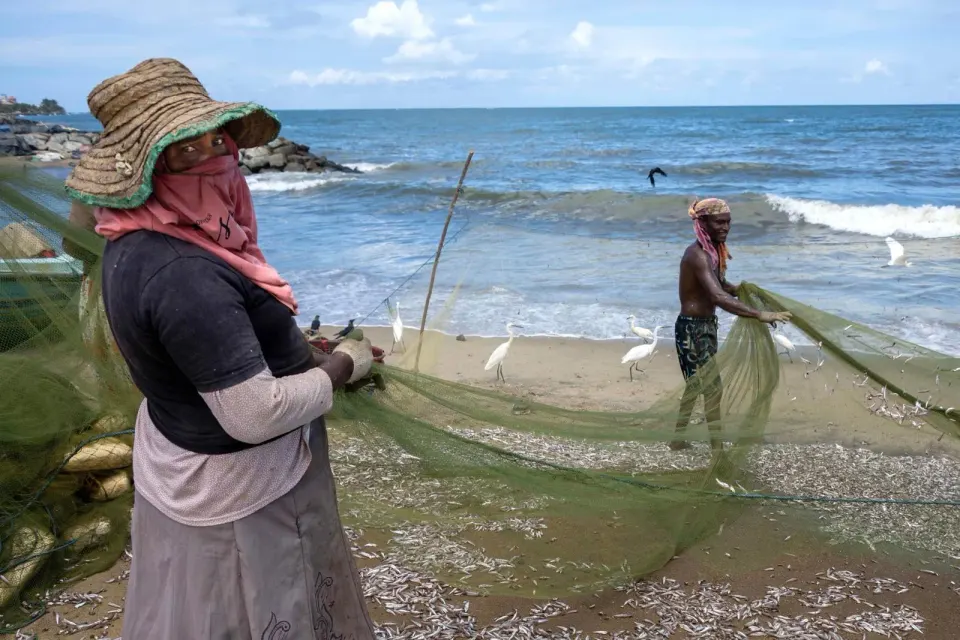
A report by the Changing Markets Foundation, produced with University of British Columbia researchers, warns that wild-caught fish used for aquaculture feed could rise sharply by 2040 if growth concentrates in carnivorous species such as salmon, shrimp, sea bream and sea bass. The FAO has disputed the interpretation of a 75% growth figure cited in the report, and the findings have sharpened debate over species choice, feed composition, and the impact on small-scale fishing communities.
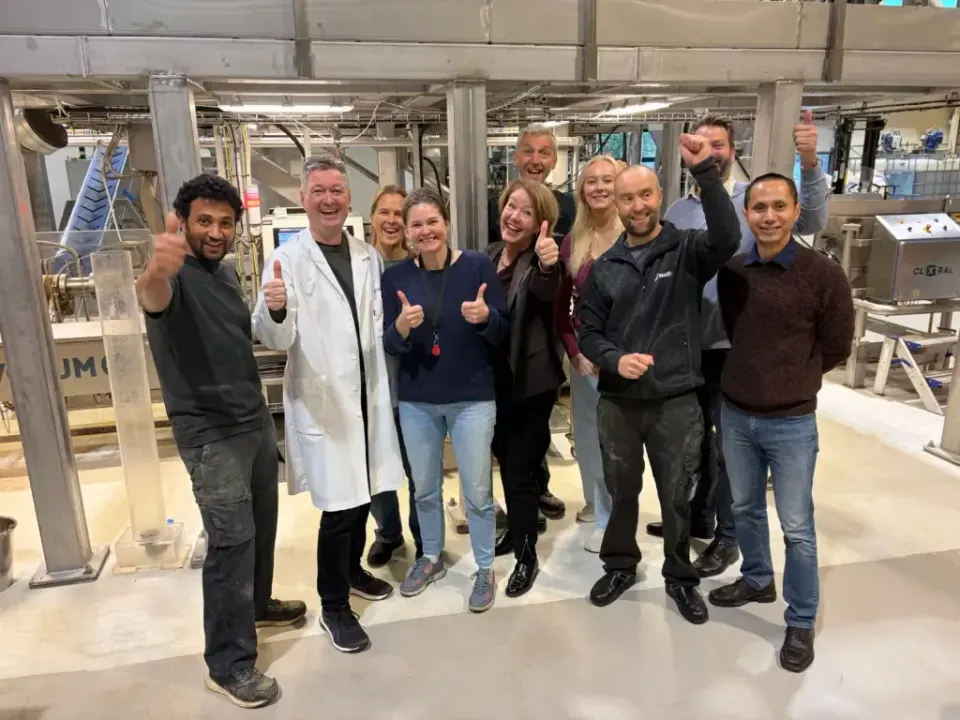
The Research Council of Norway has awarded NOK 1.24 billion (€110 million) across 18 projects to strengthen national research infrastructure, with Nofima's Aquafeed Technology Centre among the recipients. The funding will support Phase II of the centre, expanding Norway's capacity to develop and test aquafeed raw materials and ingredients.
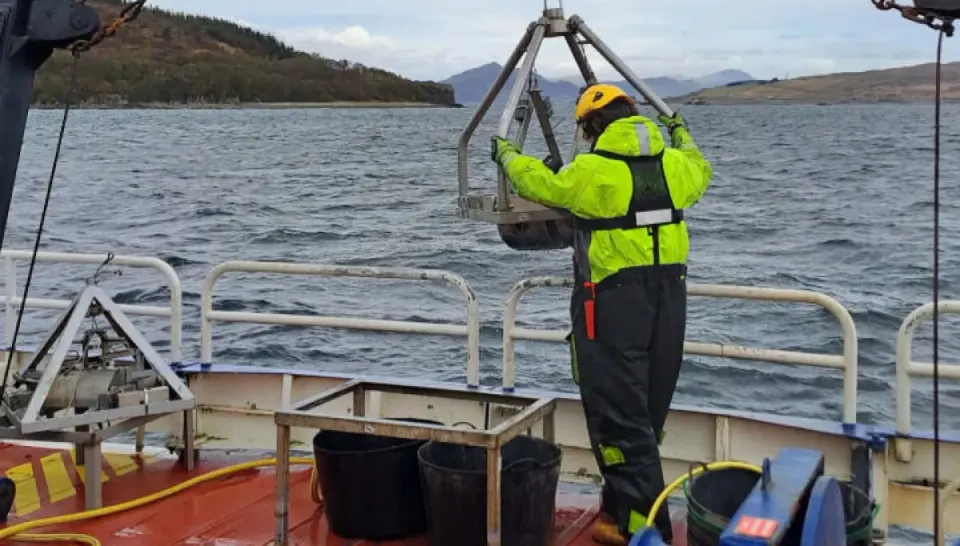
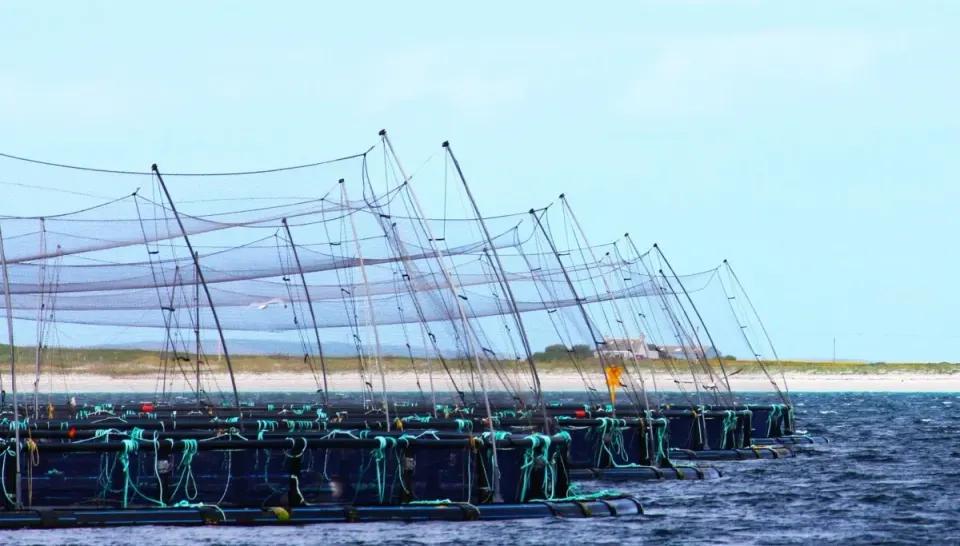
Scotland's environmental regulator SEPA has formally incorporated environmental DNA (eDNA) analysis into its regulatory process for monitoring seabed condition around salmon farms, cutting assessment time from around 16 weeks to around six weeks and allowing operators to use eDNA results as evidence of compliance.
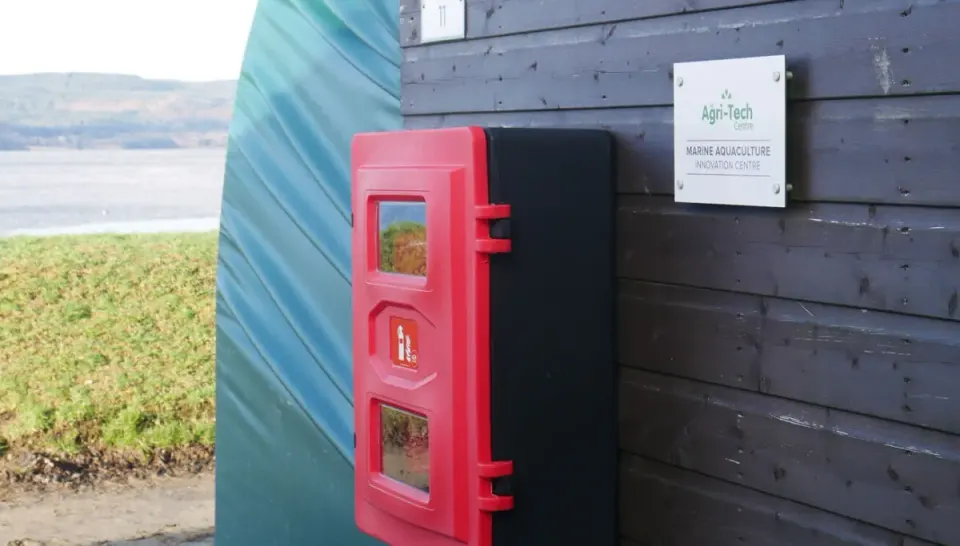
The UK Agri-Tech Centre has begun a formal redundancy consultation affecting up to 80 staff as it shifts strategy away from direct testing and towards a partner-led model, while insisting aquaculture remains central to its plans. The future of its co-owned Marine Aquaculture Innovation Centre (MAIC) at Otter Ferry Seafish in Argyll is under review, though Otter Ferry's managing director expects the facility to continue operating normally.
Scottish salmon farmer Cooke Scotland reported a 49% fall in net profit to £6.1 million in 2025, down from £12 million in 2024, as a decline in salmon prices more than offset higher sales volumes. Its parent, Cooke Aquaculture UK Holdings, saw an even steeper 60% profit decline. Feed costs and fuel remain key risk factors cited by directors in the annual report.
Researchers at Chile's Pontifical Catholic University of Valparaíso have developed a synthetic peptide-based feed additive, Aqua P-Enhance, designed to boost Atlantic salmon's innate immune response against salmonid rickettsial septicaemia. Salmon farming company Invermar has agreed to integrate the additive into its feed production lines for real-world farm trials, with performance targets including a 50% reduction in SRS-related mortality and antimicrobial use, and a 10% increase in final body weight.
The Research Council of Norway has selected the Aquafeed Technology Centre Phase II for funding as part of a NOK 1.24 billion (USD 130 million) investment in 18 national research infrastructure projects. Led by Nofima in collaboration with the University of Bergen and NORCE, the expanded centre will develop capacity to process, formulate and evaluate new feed raw materials and ingredients for aquaculture and other bio-based industries.
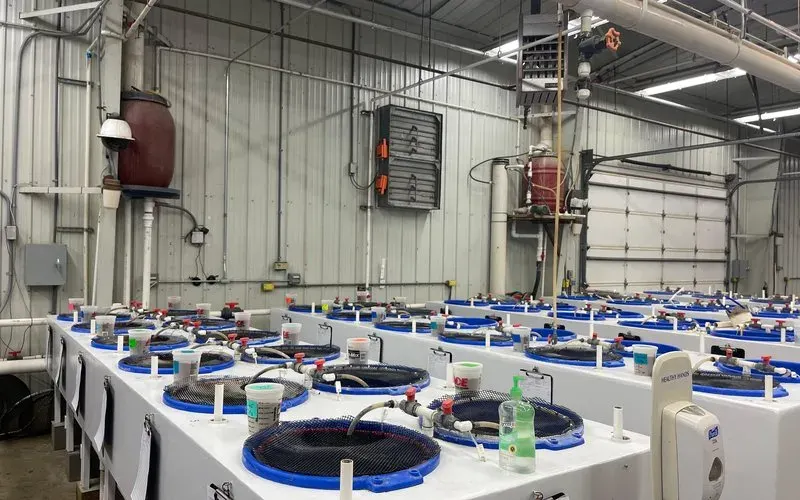
A multi-institution US study published in Aquaculture finds that adding 5% dried fish solubles to high-soybean meal diets significantly improved growth and selected fillet-quality traits in rainbow trout, with the effect driven primarily by increased voluntary feed intake rather than improved feed conversion.
Innovasea has expanded its AI-powered BiomassPro biomass monitoring platform to include rainbow trout, bringing the total number of supported aquaculture species to eight and giving trout producers access to automated biomass estimation and growth tracking tools.
A European Commission study completed in June 2026 estimates that feed demand for ten key farmed species in the EU grew from under 900,000 tonnes in 2013 to almost 1.1 million tonnes in 2023. The report identifies plant ingredients as now comprising the majority of material demand, while highlighting cost, scalability and regulatory hurdles facing alternative proteins and oils.
EnviroZyme has introduced MultiBio Edge, a multi-strain prebiotic, probiotic, and postbiotic feed additive for shrimp and finfish aquaculture. Company testing indicates the product inhibits Vibrio colonisation on feed surfaces, reduces cytotoxicity caused by Vibrio parahaemolyticus, and alters the shrimp gut microbiome composition.