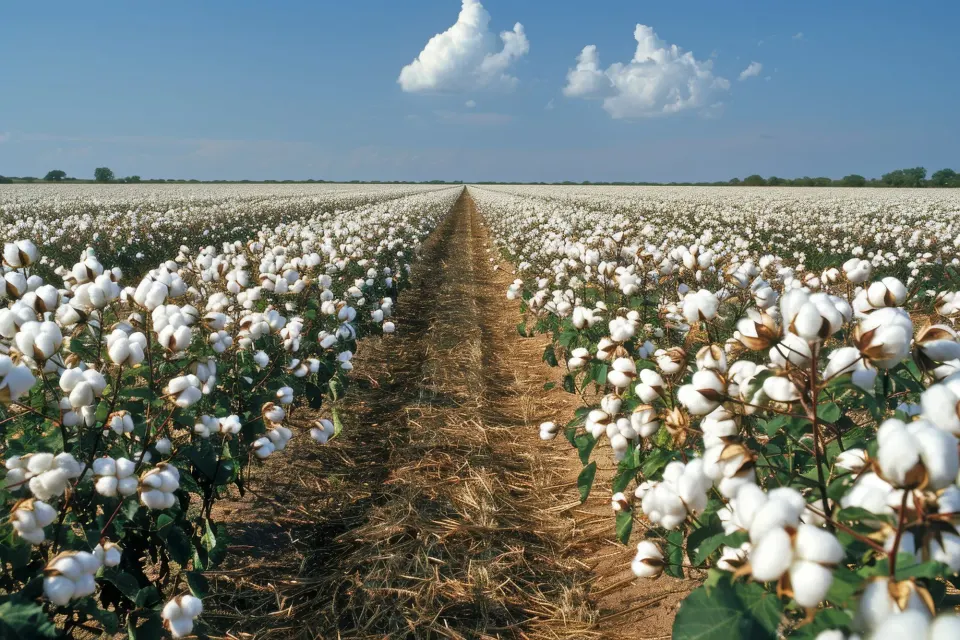
A stronger US dollar, rising exchange stocks, and weather-driven supply concerns across key producing regions pushed soft commodity futures lower on 23 September 2026, according to ADM Investor Services (ADMIS). Cotton, coffee, and cocoa all faced headwinds, while sugar held gains amid broad output concerns linked to El Niño and ethanol demand in Brazil.
Italy's soft wheat flour exports rose nearly 15% year on year in the first half of 2026, with the United States becoming the largest buyer after a 38% surge in imports, even as Black Sea wheat prices remain subdued and global grain benchmarks stay under pressure.
The U.S. International Development Finance Corporation has approved a US$500 million counter-guarantee facility for the IFC's Global Trade Finance Program, which could support up to US$20 billion in U.S. exports to emerging markets and ease African banks' ability to finance purchases of U.S. agricultural commodities, including grains, soybeans and animal feed.
The South American rendering industry convened in Mendoza, Argentina, for the Reunion of the Americas (REAM) on 8–10 September 2026. Discussions centred on tightening fishmeal supply, surging export demand for Brazilian animal protein meals, shifting trade conditions for low-carbon feedstocks, and the growing interconnection of regional rendered-product markets.
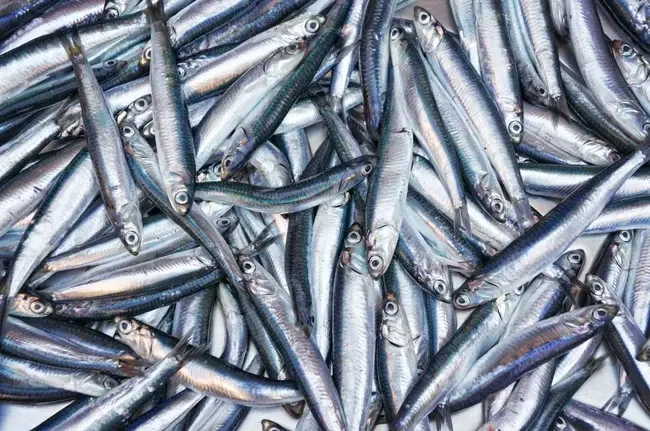
Cumulative global fishmeal production fell 49% year-on-year in the first seven months of 2026, with fish oil output down 30%, driven by shortfalls in South America and weaker catches in Africa and Northern Europe. IFFO says Asian producers may partially offset the decline in Q4, but demand headwinds in China's aquaculture and pig sectors are weighing on recovery prospects.
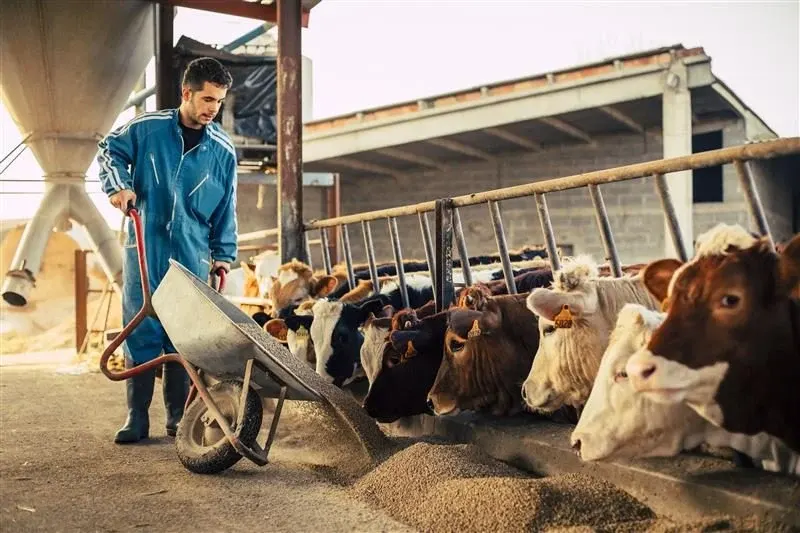
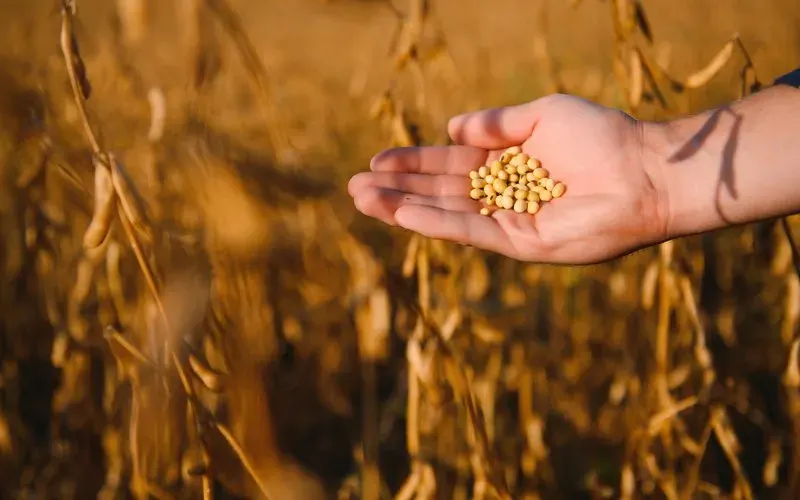
The European Feed Manufacturers' Federation (FEFAC) has published its fourth impact assessment warning that converging pressures from drought, Black Sea trade disruption, and EU Deforestation Regulation (EUDR) sourcing constraints could create a soybean meal supply gap of at least 5 million tonnes in the 2026/2027 marketing year, with total estimated costs to the EU feed and livestock sector reaching around €1.40 billion.
Global fishmeal production dropped 49% year on year in the first seven months of 2026 as El Niño-linked warm waters and juvenile fish disrupted Peru's anchoveta season, with fish oil output also falling 30%. IFFO says Asian fishing activity in Q4 may partially offset the South American shortfall.
IFFO – The Marine Ingredients Organization reports that fishmeal production in the first seven months of 2026 is down 49 percent year-on-year, while fish oil output has fallen 30 percent, with declines driven primarily by Peru and Chile and compounded by softer catches in Africa and Northern Europe.
The European Feed Manufacturers Federation (FEFAC) has projected a soybean meal supply gap of at least 5 million tonnes in the EU for the 2026-27 marketing year, driven by drought, Black Sea trade disruptions, and sourcing constraints tied to the EU Deforestation Regulation. The federation estimates the combined cost impact on the EU feed and livestock sector could reach approximately EUR 1.4 billion and has called on EU institutions to act urgently to protect feed security.
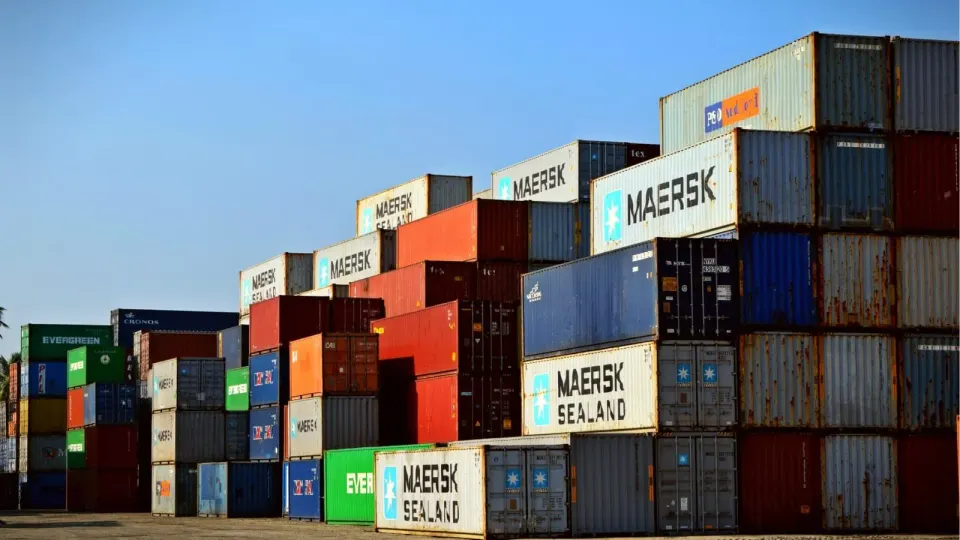
A rapidly intensifying El Niño is tightening water levels at the Panama Canal and prompting precautionary draft restrictions, according to an analysis by agribusiness consultant Alê Delara published by CZ App on 17 September 2026. The weather event could raise US Gulf-to-Asia shipping costs, eroding US soybean and corn competitiveness and redirecting Asian demand toward Brazil — but the same climate risks that could lift Brazilian export premiums also threaten its domestic harvest and push up farm input costs.
A new IndexBox market report projects the global multi-enzyme complexes for aquafeed market will grow at a compound annual growth rate of 7.5–9.0%, with the baseline scenario estimate at 8.2%, between 2026 and 2035. Growth is fuelled by rising aquaculture output, pressure to reduce feed costs, and a shift toward customised enzyme blends. Asia-Pacific holds an estimated 55% share of demand, while Latin America, the Middle East, and Africa are identified as the fastest-growing regions.
Global fishmeal production fell 49 percent year on year in the first seven months of 2026, while fish oil output dropped 30 percent, as El Niño continued to suppress catches in Peru and Chile. IFFO's market research director said Asian producers could partially offset the shortfall in the final quarter, but demand headwinds in China's aquaculture and pig sectors are adding further pressure.