The US Department of Agriculture projects global vegetable oil exports will reach a record 141 million tonnes in 2026/27, driven by sharp gains in rapeseed and sunflower oil trade, while palm oil exports are expected to decline slightly.
UK FOB London pea prices have slipped modestly week-on-week as the 2026 domestic harvest under-delivered at roughly 69% of target, while stable and low Ukrainian FCA Odesa offers continue to cap upside for feed users.
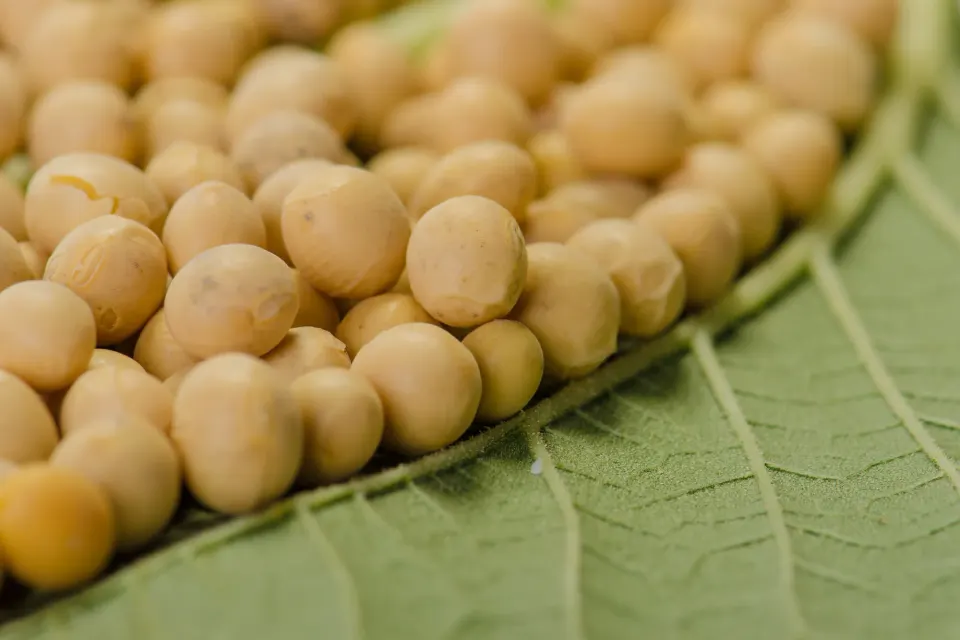
Soybean futures and products on the Chicago Board of Trade are undergoing modest profit-taking after a strong late-summer rally, with US September 1 inventories running about 3% below last year and Chinese demand continuing to underpin prices across the complex.
Wheat prices in the Rhine region are moving largely sideways heading into Q4 2026 and early 2027, with bread wheat quoted at 240 EUR/t for October–December and only a modest 4–5 EUR/t carry into Q1 2027. Corn and rapeseed are sending stronger price signals, with EU corn commanding a clear premium over feed wheat and rapeseed posting the steepest forward curve in the complex, drawing feed-sector attention away from wheat.
US corn and wheat futures recovered from multi-week lows on October 1, 2026, while soybeans fell across the complex. Key market drivers included a record-high US winter wheat acre abandonment rate, a sharp cut to Russia's wheat export forecast, surging US soybean export commitments led by China, and record combined biodiesel and renewable diesel production in July.
China's soybean import demand is expected to ease in the coming months as private crushers face negative crush margins and weak feed demand linked to shrinking hog herds. Soybeans were excluded from tariff relief announced after the Xi-Trump summit, keeping US cargoes uncompetitive with South American supplies. Domestic inventories at Chinese crushing plants have reached a 15-year high.
The Agriculture and Horticulture Development Board's final assessment of the UK's 2026 cereal harvest shows winter wheat averaging 6.9 t/ha — about 11% below the five-year average — while spring barley and oats also fell well short of benchmarks. Oilseed rape was the sole standout crop, yielding roughly 19% above its five-year average. AHDB warns that some arable farmers are now facing a second or third successive difficult harvest.
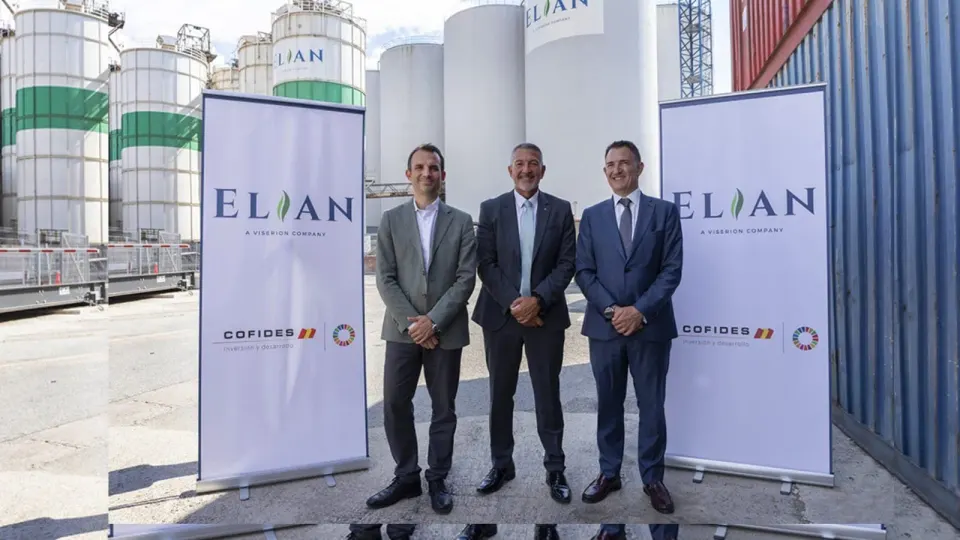
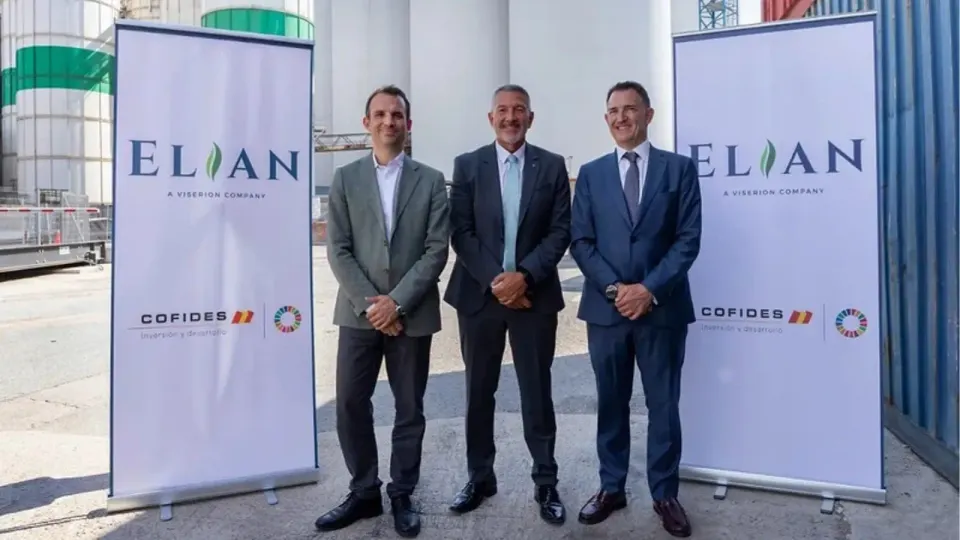
Spanish plant-based protein producer Elian has received a €40 million (US$45.66M) investment from Spain's state-owned COFIDES, giving the institution a 13.8% minority stake, as the company advances a broader €300 million expansion of its soy processing hub at the Port of Barcelona targeting completion in early 2028.
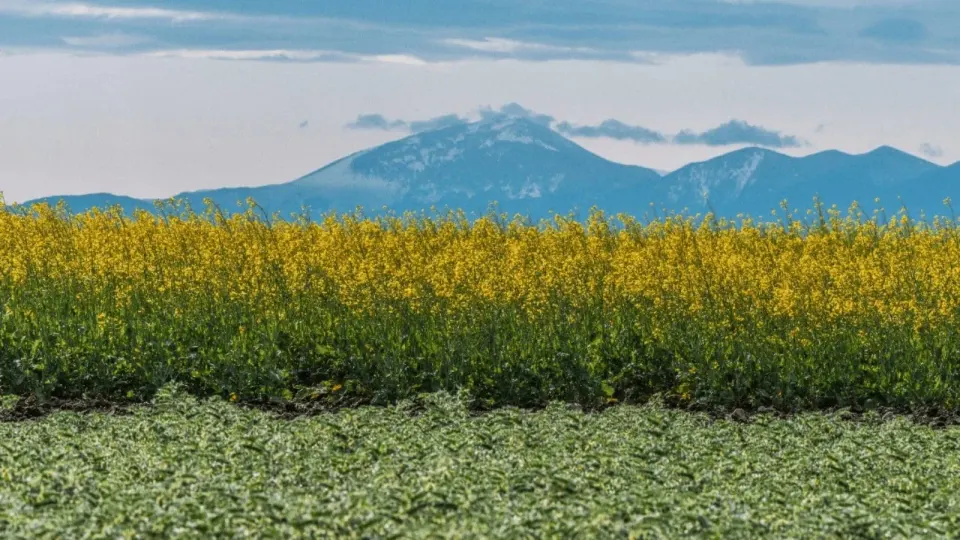
Bunge has entered a strategic commercial partnership with BASF to crush and process InVigor Gold, a canola-quality Brassica juncea hybrid seed bred for hotter, drier growing regions. Crushing is set to begin at Bunge's Warden, Washington facility, with initial commercial availability of the seed planned for Montana, North Dakota and Washington in 2027.
U.S. grain futures on September 25, 2026 finished near session highs after early selling pressure gave way to a recovery driven by a weaker dollar and trade-deal optimism. December corn edged up fractionally, November soybeans posted weekly gains on news of a U.S.-China trade subset agreement, while wheat futures ended the week lower amid a sustained price downtrend. Persistent Midwest rains are delaying harvest and tightening soybean supplies at processors.
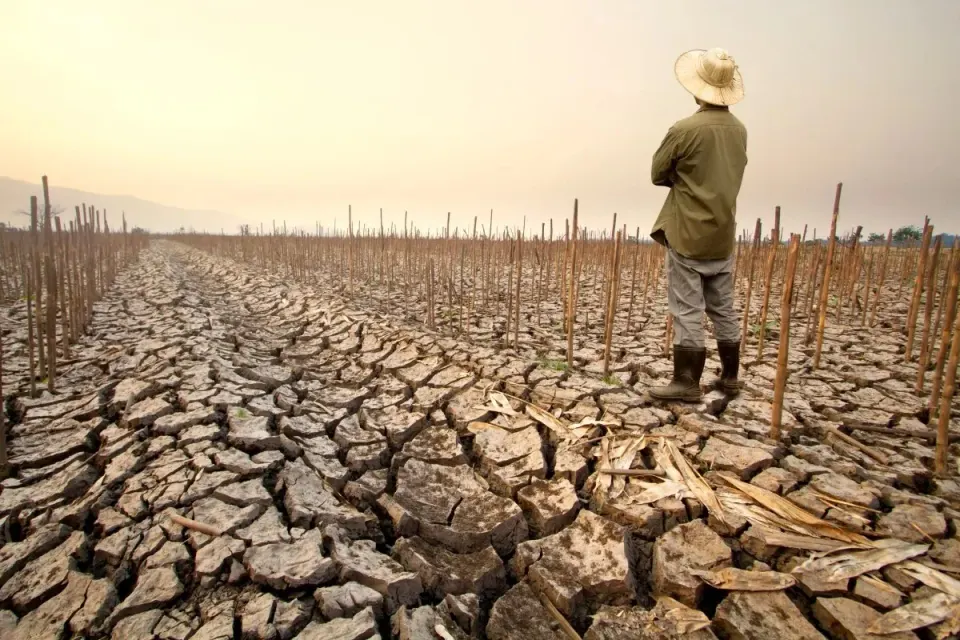
A strengthening El Niño event, combined with fertilizer shortages, geopolitical tensions, and elevated energy costs, could push global food and feed commodity prices up by 14–16%, according to procurement consultancy Beroe. Key feed ingredients including corn, vegetable oils, and sugar face varying levels of supply and price risk, with the full market impact potentially not materialising until 2028.
Spanish plant-based protein producer Elian has received a €40 million (US$45.66 million) minority equity investment from Spain's COFIDES to expand its integrated soybean processing facility at the Port of Barcelona, which is expected to add more than 100,000 tonnes of annual protein ingredient capacity for animal feed and food by early 2028.