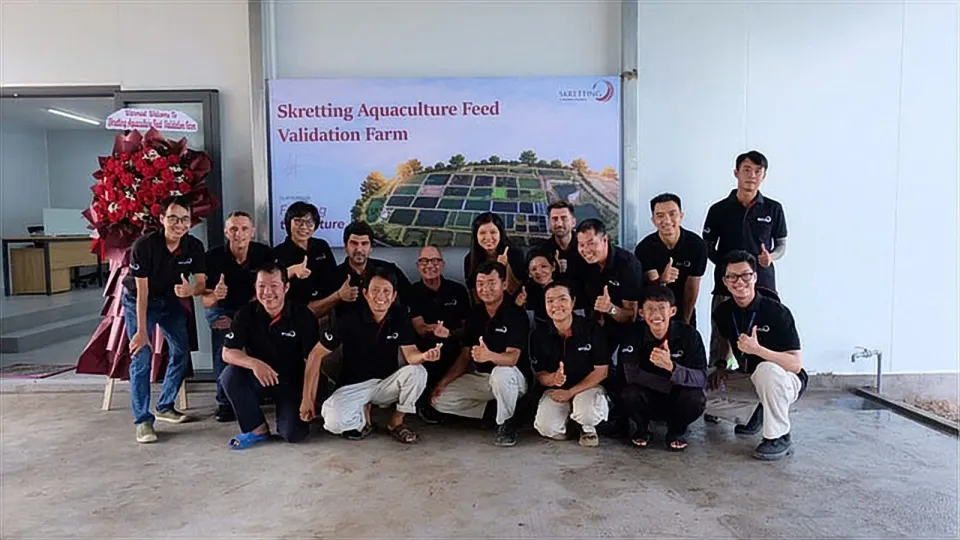
Skretting Vietnam has soft-launched a dedicated Aquaculture Feed Validation Farm designed to support structured feed research and product validation across fish and shrimp species, with potential reach across Southeast Asia and the company's global innovation network.
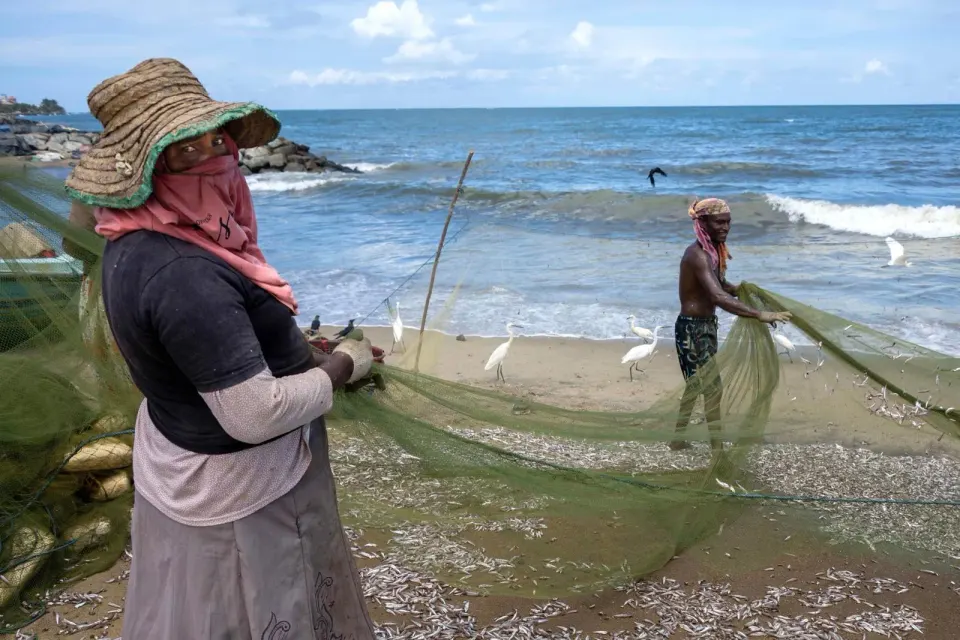
A report by the Changing Markets Foundation, produced with University of British Columbia researchers, warns that wild-caught fish used for aquaculture feed could rise sharply by 2040 if growth concentrates in carnivorous species such as salmon, shrimp, sea bream and sea bass. The FAO has disputed the interpretation of a 75% growth figure cited in the report, and the findings have sharpened debate over species choice, feed composition, and the impact on small-scale fishing communities.
A European Commission study completed in June 2026 estimates that feed demand for ten key farmed species in the EU grew from under 900,000 tonnes in 2013 to almost 1.1 million tonnes in 2023. The report identifies plant ingredients as now comprising the majority of material demand, while highlighting cost, scalability and regulatory hurdles facing alternative proteins and oils.
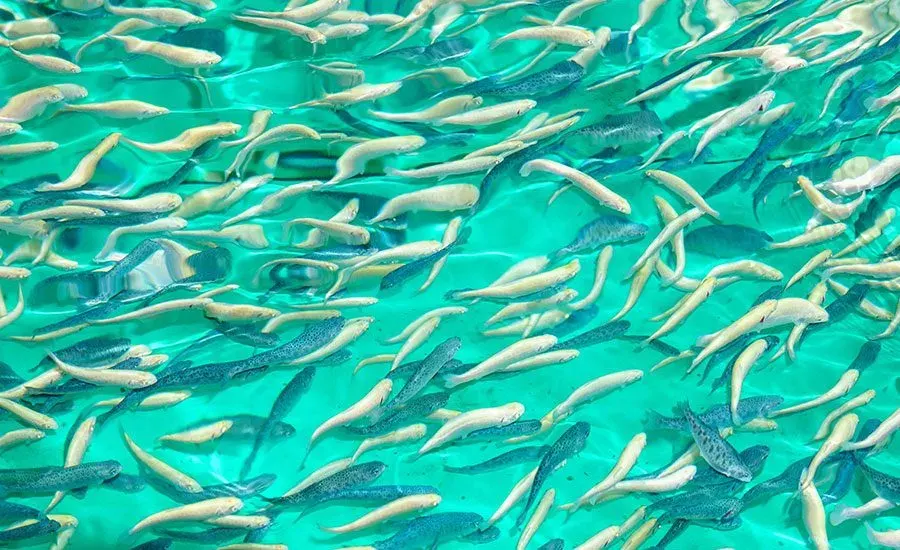
EnviroZyme has introduced MultiBio Edge, a multi-strain prebiotic, probiotic, and postbiotic feed additive for shrimp and finfish aquaculture. Company testing indicates the product inhibits Vibrio colonisation on feed surfaces, reduces cytotoxicity caused by Vibrio parahaemolyticus, and alters the shrimp gut microbiome composition.
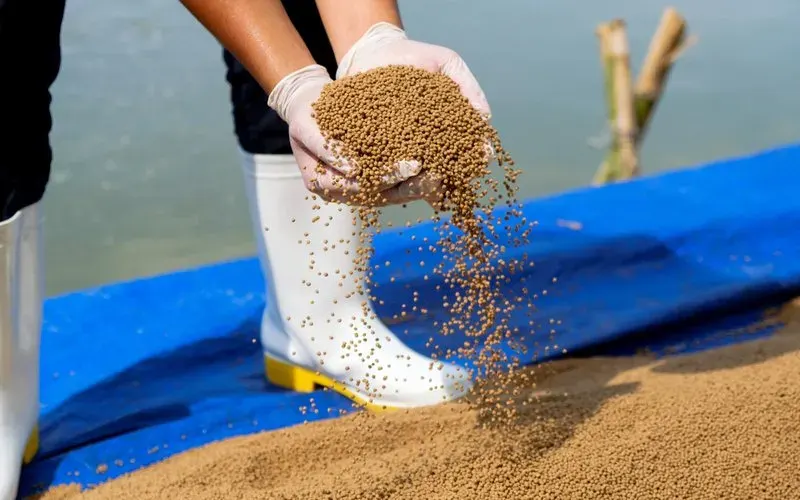
The Philippines is exploring a more diversified aquafeed ingredient base as El Niño, global supply disruptions, and import dependence increase pressure on conventional feed sources, according to Ateneo de Manila University associate professor Janice A. Ragaza.
A European Commission study completed in June 2026 estimates that feed demand for ten key farmed species in the EU grew from under 900,000 tonnes in 2013 to almost 1.1 million tonnes in 2023, while identifying plant ingredients, cost, regulation and supply-chain exposure as central challenges for the sector's future.
A report by the UK-based Changing Markets Foundation, prepared with researchers from the University of British Columbia, warns that up to 46% of the world's wild fish catch could be redirected to aquaculture feed by 2040 if farming of predatory species such as salmon and shrimp continues to expand. The findings were released in Rome ahead of a meeting of the FAO Committee on Fisheries. The FAO has pushed back on some of the study's framing, clarifying its actual 2030 growth targets and questioning whether marine ingredient volumes would necessarily rise.
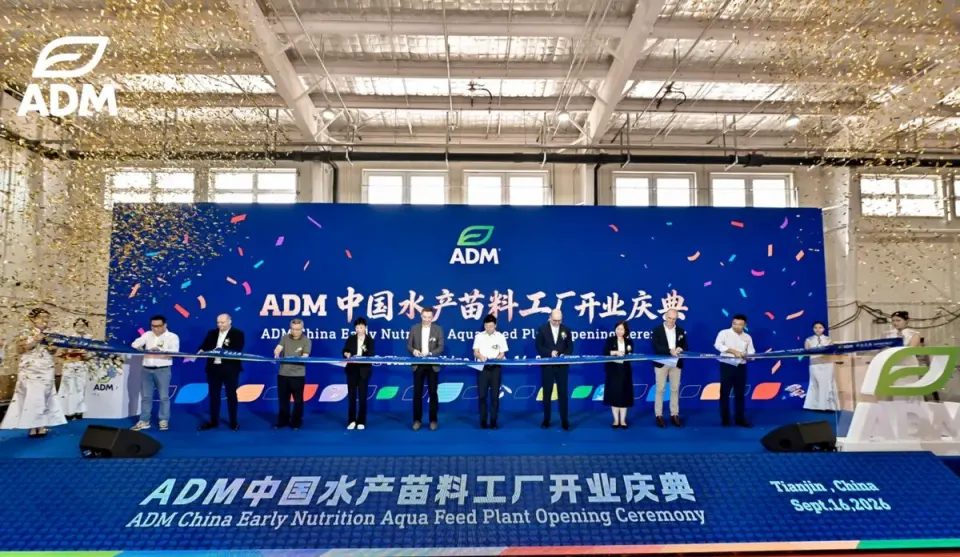
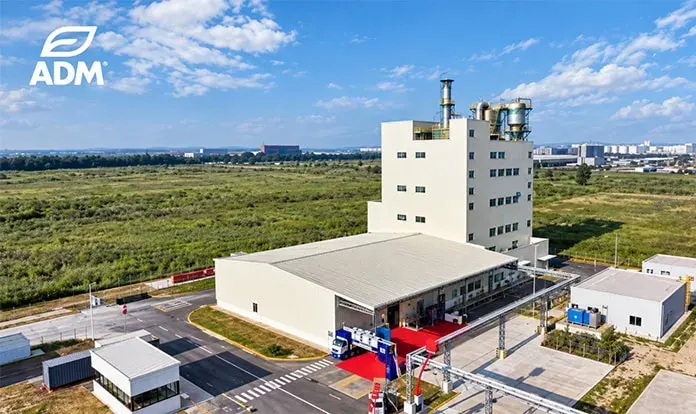
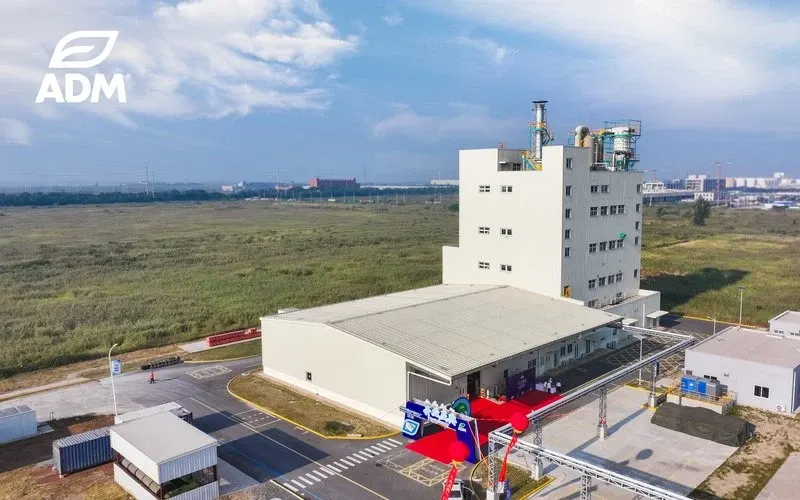
ADM has inaugurated a new early-nutrition aquafeed facility in Tianjin, China — its second globally dedicated to hatchery and nursery feeds after its long-established Belgium plant. With an annual design capacity of approximately 5,000 tons, the site will serve customers in China and across the Asia-Pacific region, targeting fish and shrimp during early growth stages.
ADM has inaugurated a new early nutrition aqua feed facility in Tianjin, China, marking the company's second hatchery feed plant globally. The plant carries an annual design capacity of approximately 5,000 tonnes and produces particle sizes ranging from 50 microns to 3 mm, targeting fish and shrimp at early life stages.
ADM has inaugurated a new early-nutrition aquafeed production facility in Tianjin, China, targeting hatchery and nursery stages for fish and shrimp. The plant — ADM's second globally dedicated to this segment after its Belgium site — has an annual design capacity of approximately 5,000 metric tons and will serve customers across the Asia-Pacific region.
ADM has inaugurated a new early nutrition aquafeed production facility in Tianjin, China, its second site globally dedicated to hatchery and nursery feeds after its Belgium plant. With an annual design capacity of approximately 5,000 metric tons, the facility aims to serve fish and shrimp producers in China and across the Asia Pacific region.
ADM has inaugurated a new 5,000-metric-ton early nutrition aquafeed facility in Tianjin, China, its second globally dedicated to hatchery and nursery feeds for fish and shrimp. The plant is intended to serve customers in China and across the Asia-Pacific region, connecting ADM's APAC R&D resources with local production.