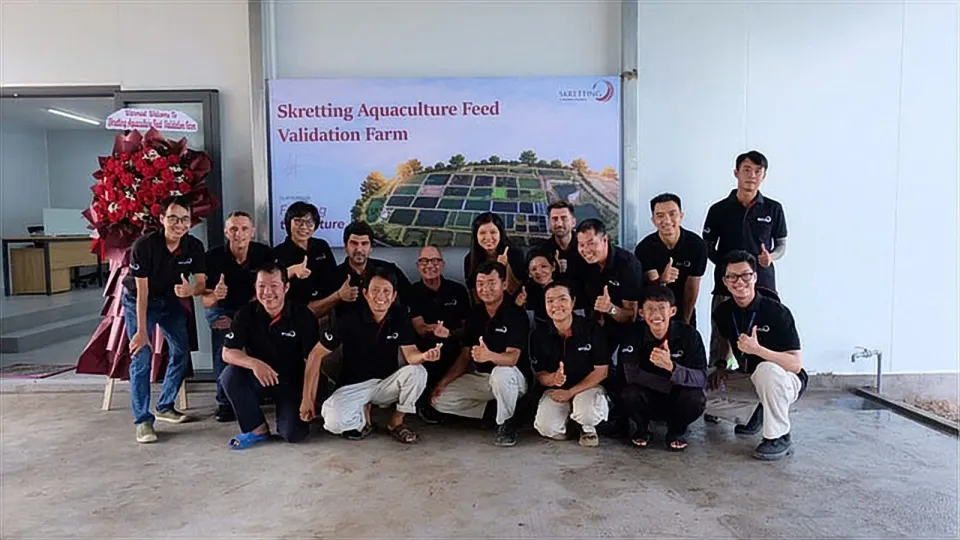
Skretting Vietnam has soft-launched a dedicated Aquaculture Feed Validation Farm designed to support structured feed research and product validation across fish and shrimp species, with potential reach across Southeast Asia and the company's global innovation network.
ACTIPRO, the animal nutrition brand of VEOS Group, and European feed manufacturer VERONESI have announced a strategic partnership to integrate upcycled egg powder into aquaculture feed formulations. The collaboration, unveiled at the Aquaculture Europe 2026 conference in Ljubljana, Slovenia, creates a closed-loop supply chain in which egg by-products from the Veronesi Group are processed by ACTIPRO into a functional egg powder and returned to VERONESI for inclusion in its aqua feed lines.
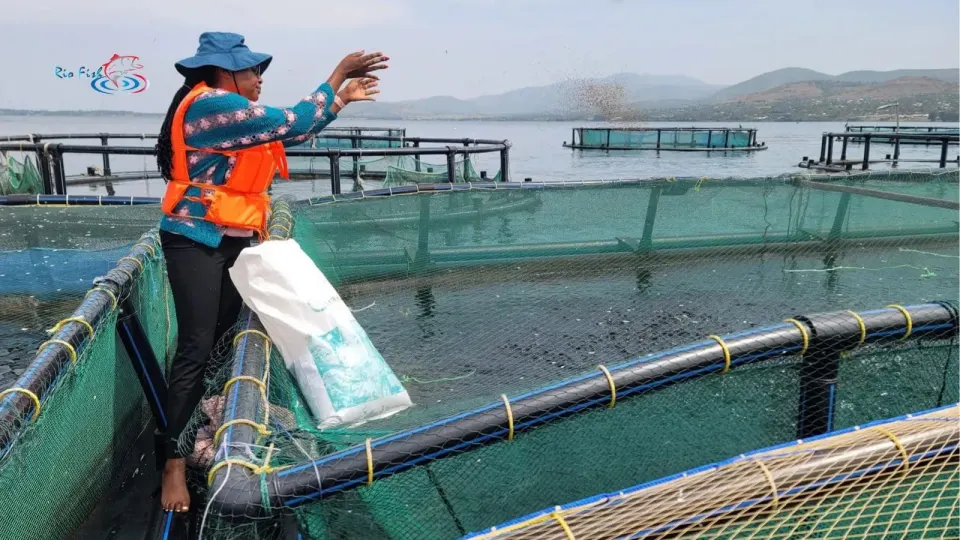
Ethical Seafood Research (ESR) has partnered with Kenyan tilapia producer Rio Fish on a 24-month collaboration to improve fish welfare standards, introduce welfare monitoring tools, develop better slaughter practices, and pursue Aquaculture Stewardship Council (ASC) certification — with the aim of extending those practices to Rio Fish's network of more than 1,500 farmers.
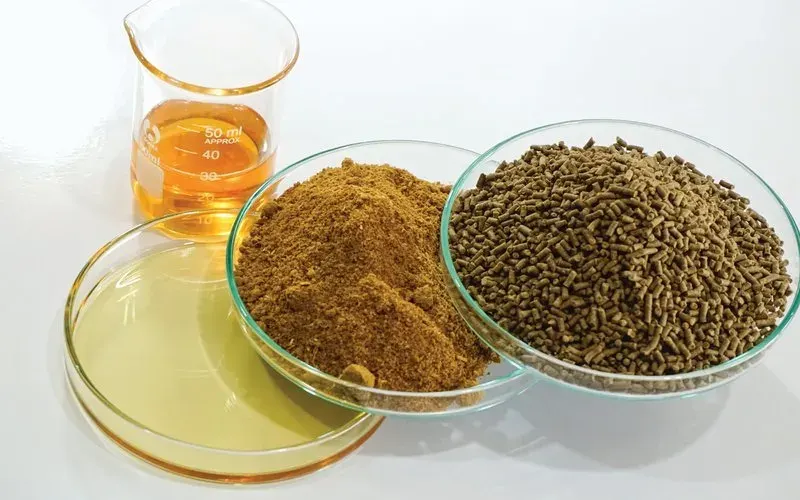
A peer-reviewed study by researchers from the University of Porto, CIIMAR, and the University of Florence, in collaboration with EPAX®, found that fatty acid ethyl ester (FAEE) oil — a byproduct of omega-3 supplement production — can completely replace fish oil in juvenile European seabass diets without impairing growth, feed utilization, or nutrient digestibility. However, the substitution significantly reduced muscle DHA levels, pointing to a potential nutritional quality trade-off that may require mitigation.
The UN Food and Agriculture Organization's SOFIA 2026 report, launched at the 11th Our Ocean Conference in Mombasa, Kenya, reveals that global aquaculture aquatic animal production reached 103 million tonnes in 2024, surpassing the 100 million tonne threshold for the first time. Asia accounts for around 89% of farmed output, and aquaculture now supplies 53% of total aquatic animal production. FAO projects production could reach 214 million tonnes by 2034, though climate change and sustainability pressures pose risks.
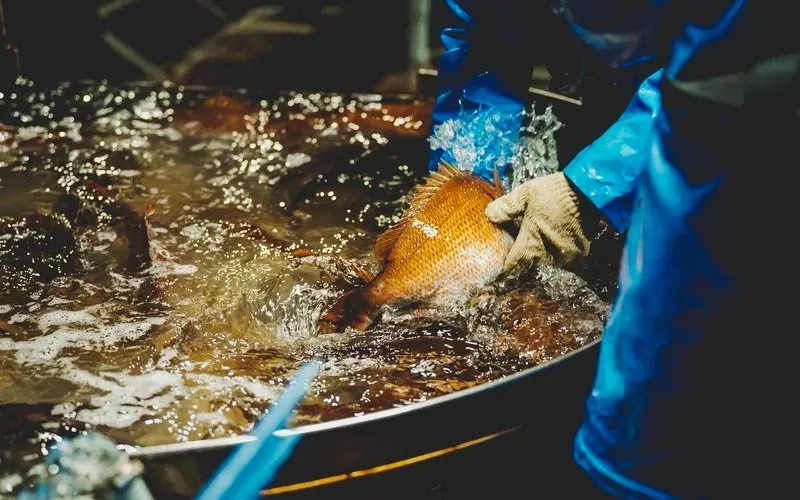
Japan's Dainichi Corporation is competing in the F3 Fish Farm Challenge 2025–2027, raising red seabream from juvenile stage to harvest on a diet free of marine-animal ingredients. The company is using soy protein concentrate and black soldier fly meal as principal alternatives, has invested in ingredient supplier Protenga, and is trialling AI-assisted feeding alongside hand feeding to optimise performance.
France-based Innovafeed and Dutch company Protix have jointly published a white paper arguing that current life cycle assessments of insect-derived feed ingredients rely on outdated pilot-scale data and fail to capture real-world sustainability gains already achieved at industrial scale, including a reduction in Innovafeed's carbon intensity by a factor of five since 2022.
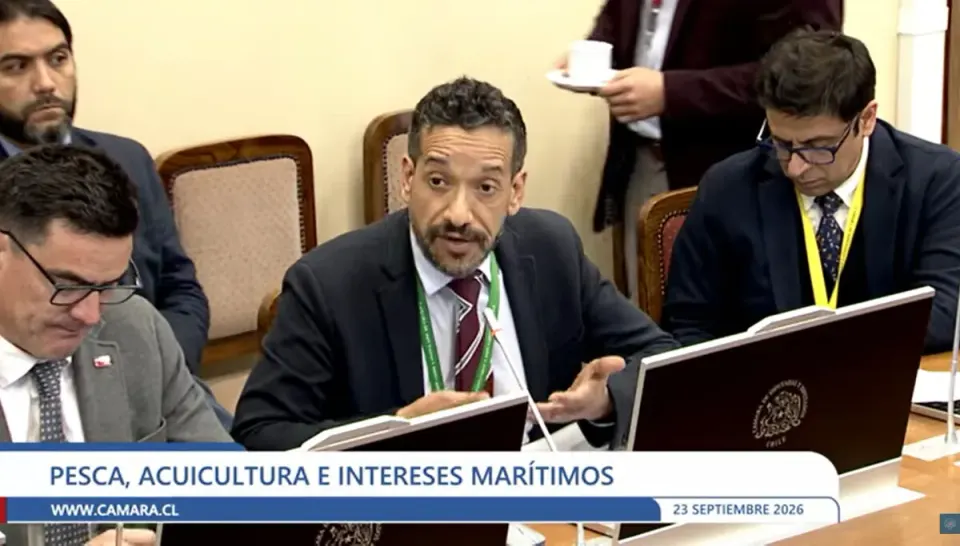
Chilean aquaculture authorities have told parliament that land-based sanitary trenches could be used to dispose of salmon mortalities if the current El Niño climate event causes a catastrophic harmful algal bloom, an approach reserved only for the most extreme scenarios and aimed at preventing a repeat of the 2016 sea-dumping crisis.
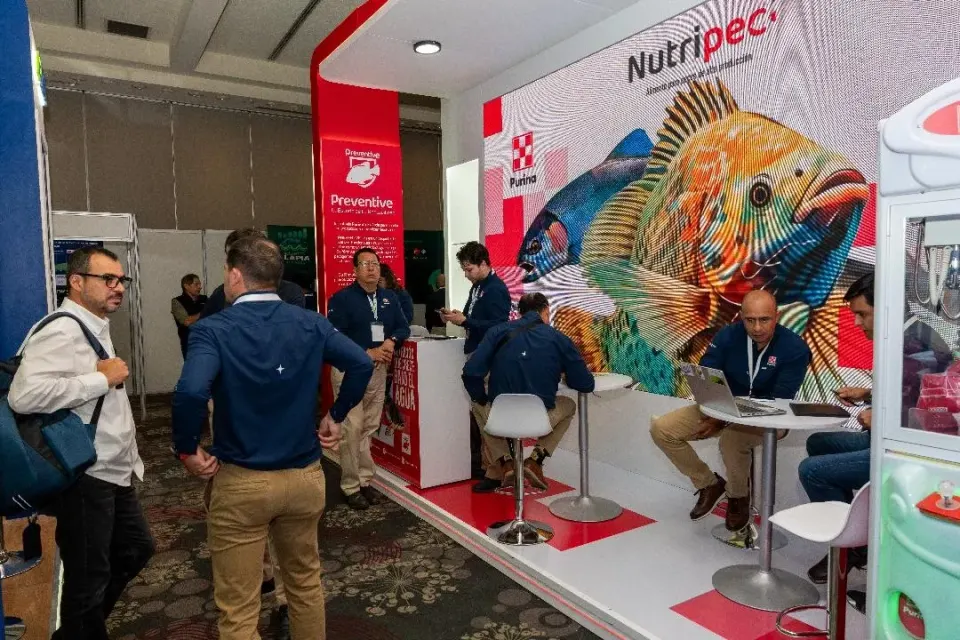
Cargill Animal Nutrition & Health presented an updated Nutripec™ portfolio of 13 aquafeed products for tilapia, catfish, and trout at Expo Tilapia México 2026, also introducing redesigned packaging aimed at better preserving nutrients during storage and transport.
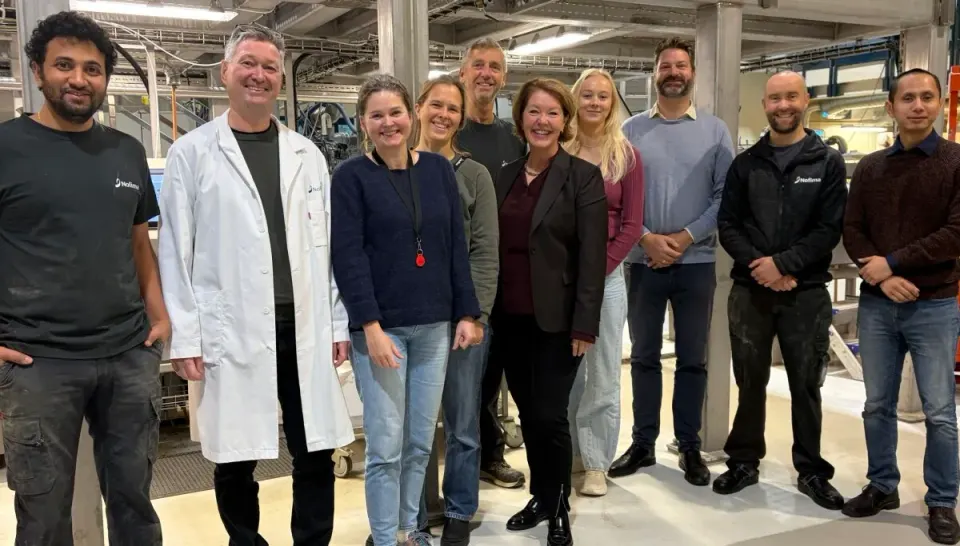
The Research Council of Norway has awarded NOK 58.851m (£4.62m) to a consortium led by Nofima, NORCE, and the University of Bergen to develop a second phase of the Aquafeed Technology Centre, strengthening Norway's national research infrastructure for sustainable aquafeed ingredient development and testing.
The second day of the Compound Livestock Feed Manufacturers Association (CLFMA) of India's 67th National Symposium in Mumbai brought together policymakers, industry leaders, scientists and farmers to address feed security, artificial intelligence, veterinary capacity and government-industry collaboration in India's animal-agriculture sector.
A joint study by Norway's Nofima and Spain's IATS has found that Atlantic salmon gills undergo measurable changes in bacterial communities and gene expression in response to simulated marine heatwaves, low oxygen, and jellyfish exposure — well before any visible damage is observed. The findings, published in Frontiers in Marine Science, highlight growing concerns about the impact of combined climate-related stressors on farmed salmon gill health.