Loading…
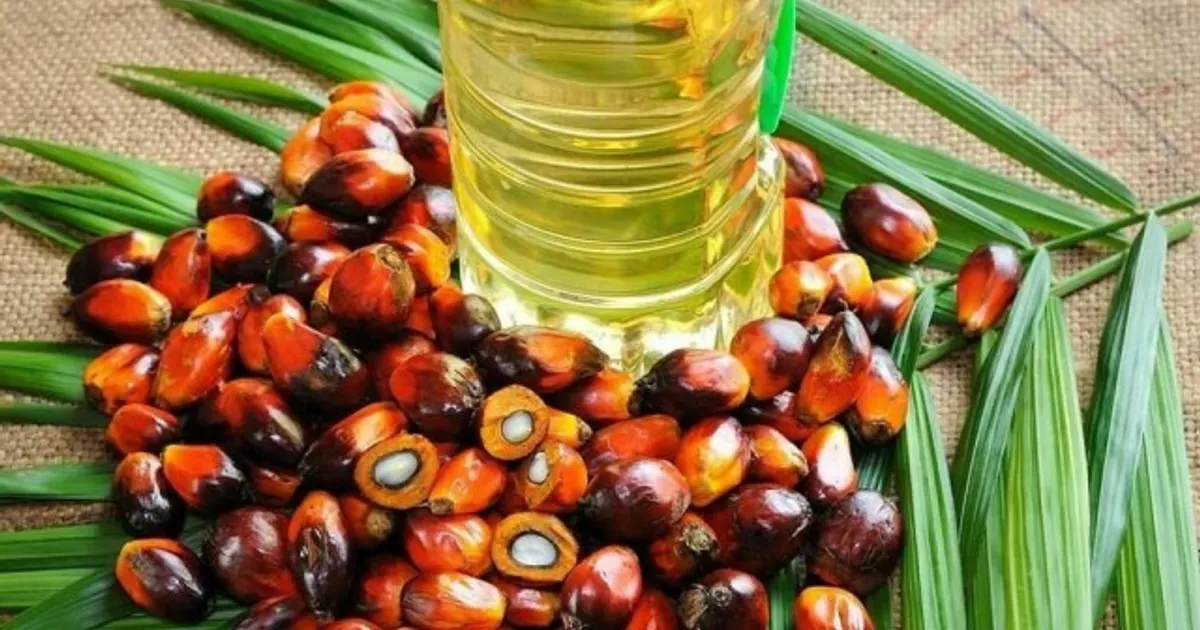
Malaysian palm oil futures plunged as much as 9.8% on March 14, erasing part of a recent gain of about 20%. The drop followed weaker Dalian oils and crude, and Argentina's halt on soy oil and meal registrations.
Argentina's export halt is seen as slightly bearish since traders expect higher export taxes that would lower local prices, while falling crude and rival oils pressure palm prices.
 brecorder.comReutersMar 14, 2022
After 12 past bearish geopolitics events, Palm Oil moved a median -4.5% over 5 sessions (17% higher; middle half -5.9% to -2.3%), and -6.2% over 20.
After 28 past bearish geopolitics events, Soybean Oil moved a median -2.7% over 5 sessions (21% higher; middle half -8.3% to -0.7%), and -2.1% over 20.
After 62 past geopolitics events, Soybean Meal moved a median -0.1% over 5 sessions (47% higher; middle half -2.4% to +3.0%), and -0.4% over 20.
After 255 past bearish geopolitics events, Crude Oil (WTI) moved a median -2.4% over 5 sessions (31% higher; middle half -7.0% to +1.7%), and -5.0% over 20.
Moves of each commodity's benchmark from the last close before the event. Historical reads pool past events of the same kind; they describe what happened, not what will. Not investment advice.
A near-10% plunge in Malaysian palm oil on March 14 on weaker Dalian oils and crude dragged on competing vegetable oils such as soybean oil via substitution and sentiment, even as the Argentina halt had been expected to be supportive.
Malaysian palm oil plunged nearly 10% on March 14 as Dalian oils and crude weakened, dragging competing vegetable oils such as soybean oil lower through substitution and sentiment.
Palm plunged nearly 10% on weaker Dalian oils and crude, signalling vegoil-complex liquidation after a ~20% rally that likely carried into soybean oil.
