Loading…
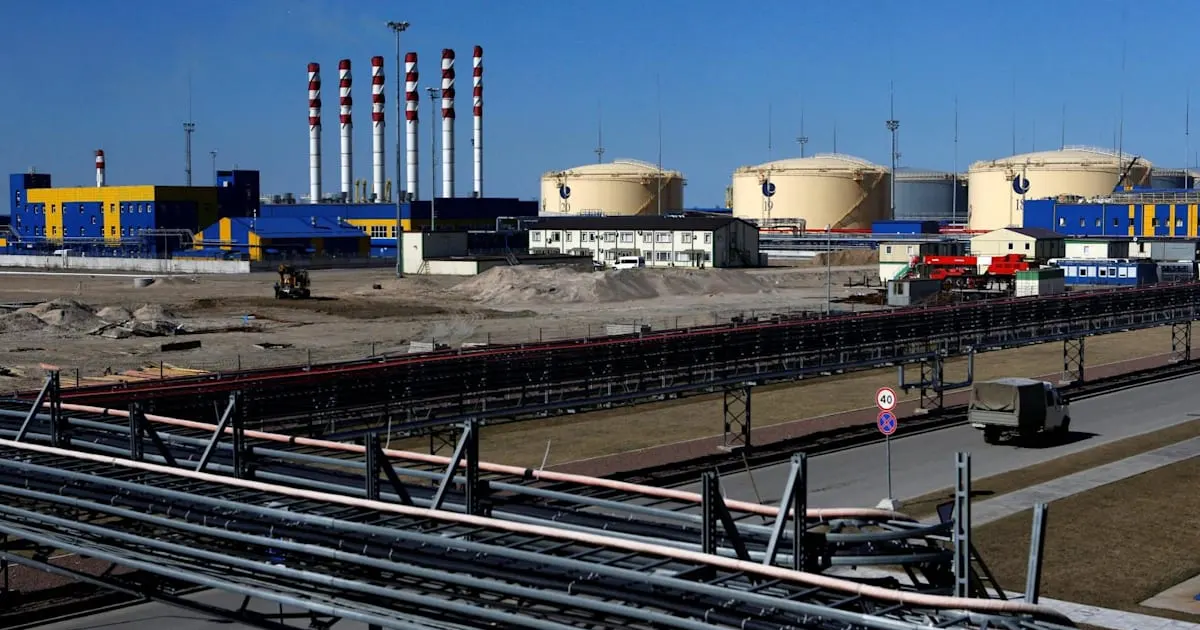
Oil prices fell on 14 April as signs of possible talks to end the US-Israeli war on Iran eased supply risks tied to the blockade of the Strait of Hormuz. Brent slipped about 0.6% to US$98.74 and WTI fell 2.3% to US$96.78.
The IEA said March saw the largest oil supply disruption in history, with 10.1 million barrels per day lost, and expects demand to slump sharply in the second quarter.
Crude prices feed directly into diesel, fertilizer and freight costs for feed production and transport, and biofuel demand for soybean oil. Talks-driven declines lower energy input costs but physical supply losses limit how far the price can fall.
 channelnewsasia.comApr 13, 2026
After 250 past bearish geopolitics events, Crude Oil (Brent) moved a median -3.1% over 5 sessions (36% higher; middle half -7.9% to +1.6%), and -5.5% over 20.
After 255 past bearish geopolitics events, Crude Oil (WTI) moved a median -2.4% over 5 sessions (31% higher; middle half -7.0% to +1.7%), and -5.0% over 20.
After 51 past bearish geopolitics events, ULSD / Diesel moved a median -2.4% over 5 sessions (37% higher; middle half -8.2% to +3.9%), and -2.3% over 20.
After 28 past bearish geopolitics events, Soybean Oil moved a median -2.7% over 5 sessions (21% higher; middle half -8.3% to -0.7%), and -2.1% over 20.
Moves of each commodity's benchmark from the last close before the event. Historical reads pool past events of the same kind; they describe what happened, not what will. Not investment advice.
