The Feed Desk is the editorial team behind The Feed Report, covering the global feed industry, animal nutrition, commodity markets, feed safety, aquaculture, and the forces shaping livestock and food production. The desk monitors industry developments, research, market data, company announcements, and regulatory changes to provide timely, focused reporting for feed and nutrition professionals.
Animal nutrition and feed additives company Adisseo has named Li Bo as its new chairman and chief executive officer, succeeding Dr. Hao Zhigang. Li was elected to the board chairmanship on 11 September 2026 and will assume the CEO role on 1 November 2026, bringing experience from the energy and chemicals sectors to lead the company's methionine, specialties, and vitamin businesses.
The European Commission has formally authorised L-isoleucine produced by fermentation with the bacterial strain Corynebacterium glutamicum CCTCC M 2022764 as a zootechnical additive in animal feed for all species, under Implementation Regulation (EU) 2026/2087 dated 18 September 2026.
A new Portuguese initiative, the Food4Thought project, is working with secondary-school and university students to counter misinformation about farmed fish and insects as food sources, using a three-stage educational approach backed by scientific evidence.
Nestlé Purina has announced a €50 million investment programme at its Portogruaro factory in Veneto, Italy, to be completed by 2029. The spending will fund an expansion into the super-premium dry pet food segment and a new on-site wastewater treatment plant, reinforcing the site's role as a European production hub as the company also advances a separate new factory in Mantua.
The European Commission has formally authorised nutmeg essential oil (Myristica fragrans Houtt.) as a sensory additive in animal feed for all species under Implementing Regulation (EU) 2026/2076, adopted on 17 September 2026. Feed manufacturers across the EU may now incorporate the ingredient subject to the technical conditions and dosage requirements set out in the regulation.
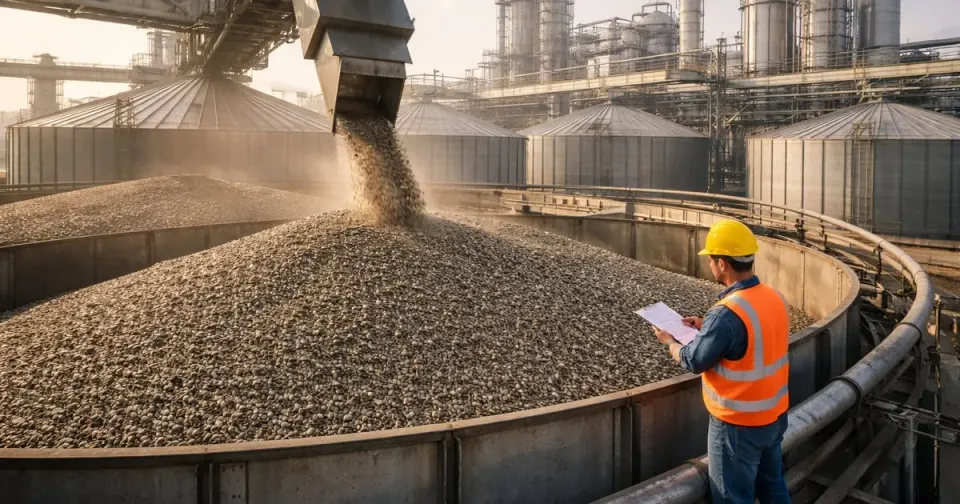
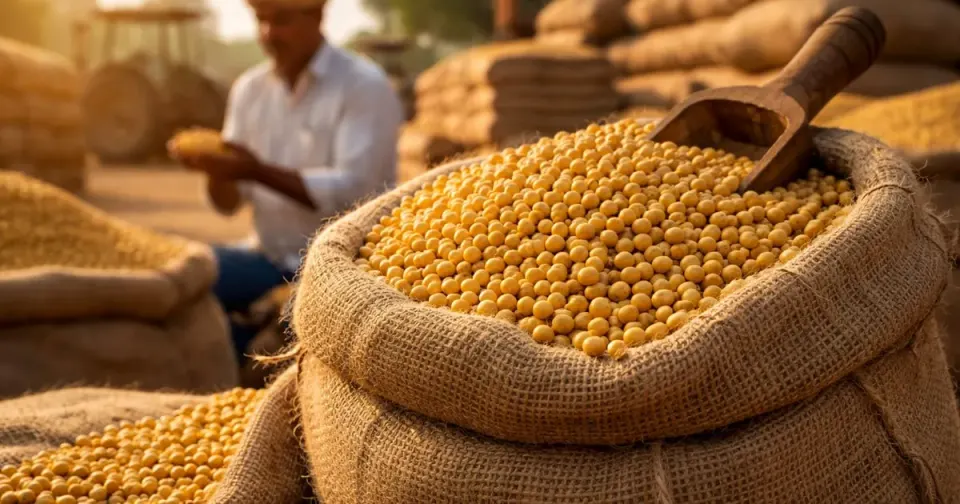
Soybean prices are holding broadly steady, supported by strong Asian crushing margins and firm Chinese feed demand, even as Ukrainian FOB values ease and CBOT futures consolidate ahead of the US harvest. Wilmar International's H1 2026 results point to a meaningful uplift in crushing volumes and processing profits, while Brazilian planting begins under El Niño-influenced conditions.
Global sunflower seed output is projected to reach around 62.3 million tonnes in 2026/27, reinforcing an oilseed surplus, while Chinese confection and bakery-grade kernels command firm premiums. Black Sea logistics disruptions and export taxes continue to add volatility to trade flows, with China's role as an alternative supplier seen as a potential source of growing pricing power.
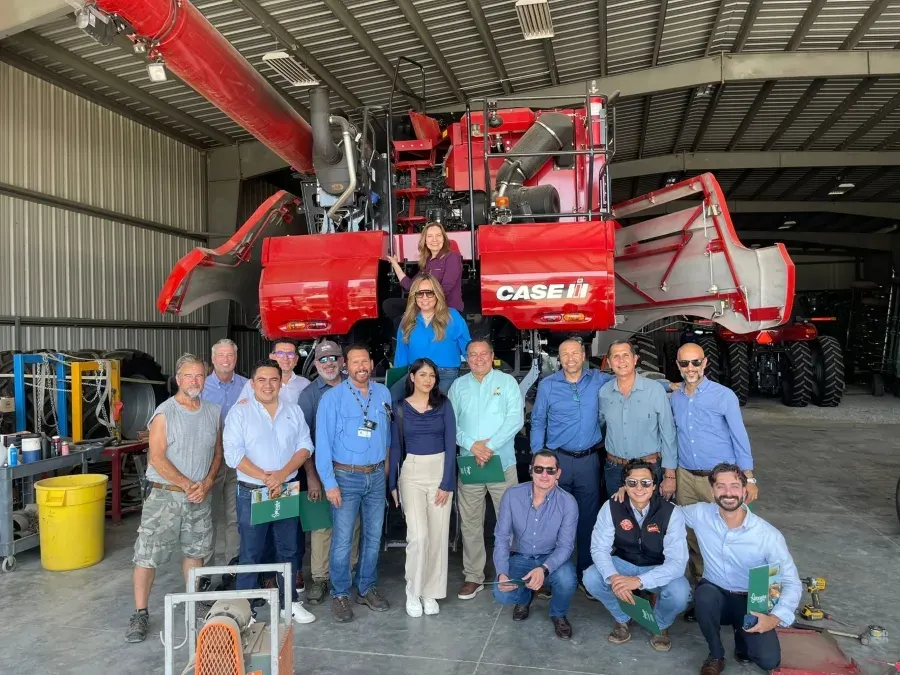
The U.S. Grains & BioProducts Council escorted a Mexican buying group representing the dairy, cattle, swine, poultry and white corn sectors on a tour of Iowa, Nebraska and Kansas in early September 2026 to develop direct sourcing relationships with cooperatives, elevators and rail stakeholders. The group collectively purchases around 400,000 metric tons of U.S. corn and 80,000 metric tons of DDGS annually.
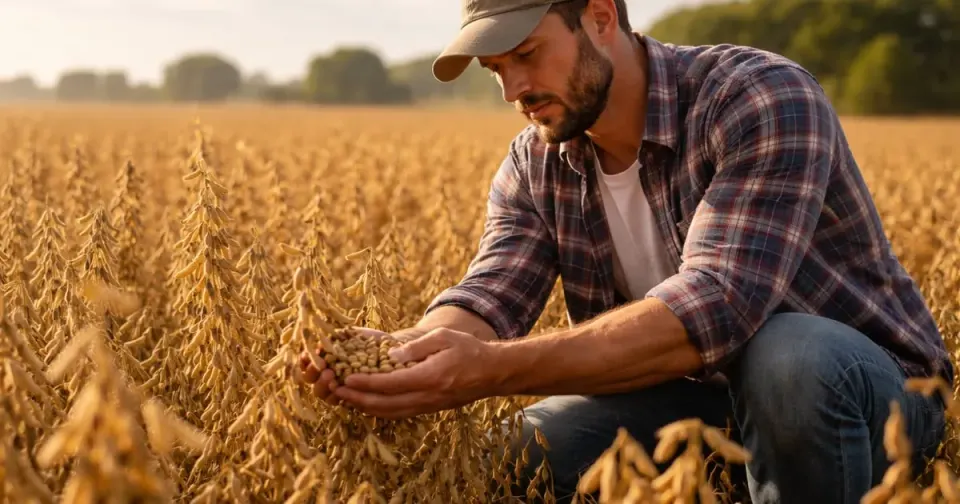
Indian soybean prices are consolidating at elevated levels in September 2026, supported by weaker domestic crop output, patchy monsoon conditions in key growing states, and trade estimates pointing to record imports approaching 1 million tonnes for the current oil year. FOB New Delhi prices for sortex-clean soybeans remain stable at 0.87 EUR/kg, well above global benchmarks, while mandi prices fluctuate around the mid-₹6,000/quintal range.
Argentina's bumper 2025/26 corn harvest of roughly 71.7 million tonnes is driving record export volumes to North Africa, displacing Ukrainian and EU supplies constrained by Black Sea disruptions and drought. Morocco, Egypt, and Algeria have all sharply increased purchases from Argentina in the first seven months of 2026, while Brazil's expanding ethanol sector is further tightening global export availability.
Ukraine's Cabinet of Ministers has approved three new unified import document forms covering live animals, animal products, and non-animal feed, replacing a 2018 regulation and aligning border control procedures with European Union standards under the IMSOC framework.
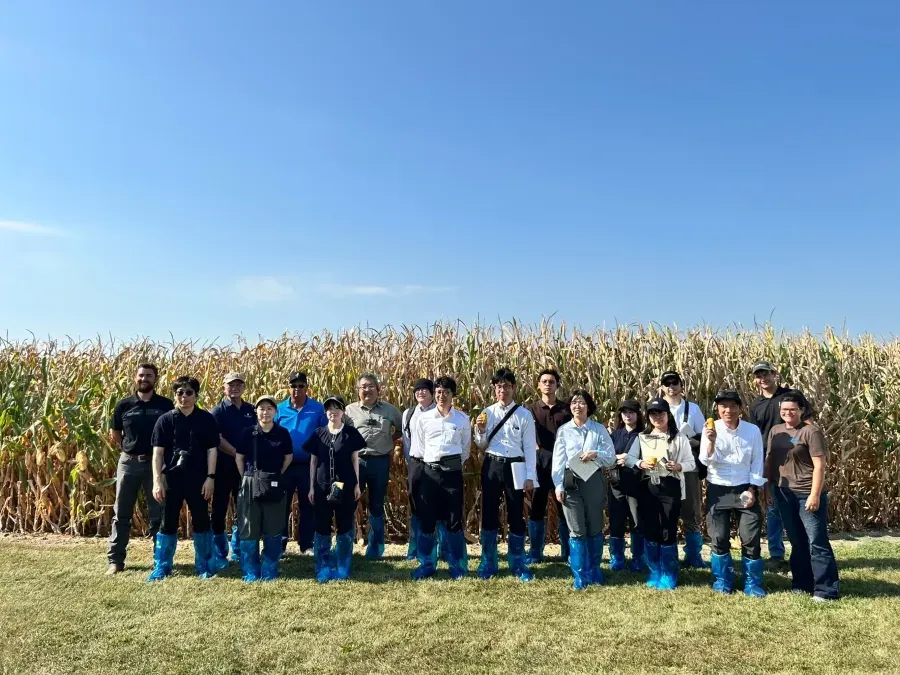
The U.S. Grains & BioProducts Council recently guided a delegation of Japanese corn food and feed end-users through sites in Iowa and Washington, exposing newer buyers to U.S. corn production, quality standards, and export logistics in a bid to strengthen long-term trade ties with Japan.