The Feed Desk is the editorial team behind The Feed Report, covering the global feed industry, animal nutrition, commodity markets, feed safety, aquaculture, and the forces shaping livestock and food production. The desk monitors industry developments, research, market data, company announcements, and regulatory changes to provide timely, focused reporting for feed and nutrition professionals.
The U.S. Grains & BioProducts Council has released an evidence-based factsheet asserting that U.S. corn delivers higher yields, lower greenhouse gas emissions, faster processing times, and better feed conversion rates than corn from other major producing countries, with estimated financial benefits for wet millers and broiler producers.
Linseed prices at FCA Dordrecht remain unchanged week-on-week as of 19 September 2026, with Kazakh organic brown holding at €1.25/kg and Russian conventional yellow at €1.40/kg, amid strong new-crop export flows and non-threatening harvest weather across both origins.
Cumulative global fishmeal production fell 49% year-on-year in the first seven months of 2026, with fish oil output down 30%, driven by shortfalls in South America and weaker catches in Africa and Northern Europe. IFFO says Asian producers may partially offset the decline in Q4, but demand headwinds in China's aquaculture and pig sectors are weighing on recovery prospects.
Feed-grade triticale prices in north-west Germany remained stable at 0.225 EUR/kg EXW Drentwede as of 17 September 2026, supported by firm EU feed grain sentiment, steady livestock demand, and tight coarse grain availability, according to CMB News.
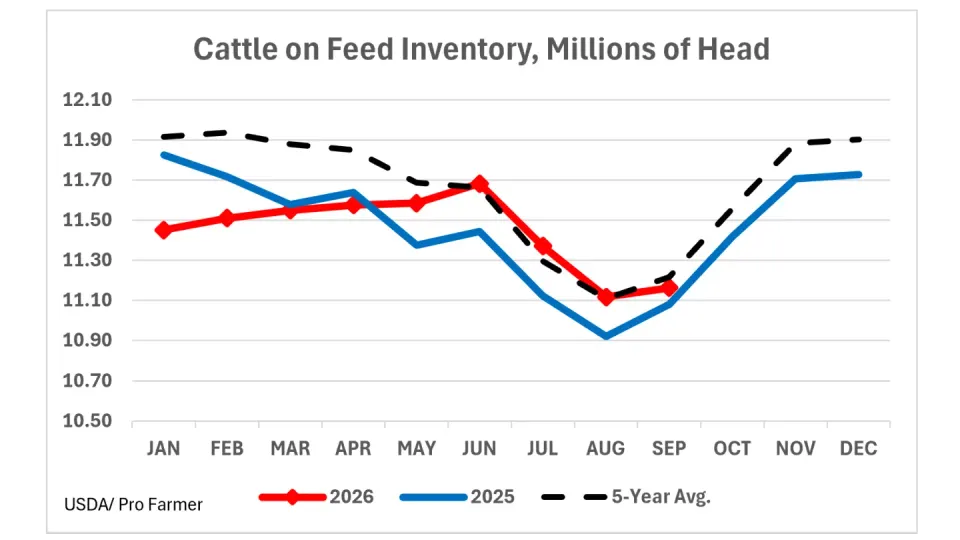
USDA's September 2026 Cattle on Feed report shows total inventory rose just 1% year-over-year to 11.163 million head, while August placements fell 9% to a record low of 1.617 million head — the smallest figure for that month since data collection began in 1996. Both results came in below analyst expectations, adding pressure to cattle futures markets already dealing with weak boxed beef demand.
German feed rye EXW prices have firmed modestly in northern regions, while Ukrainian rye offered FOB Odesa has ticked up slightly, as ample EU grain supply and persistent Black Sea risk premia shape a cautious but balanced rye market heading into late September 2026.
Chile's coho salmon sector is on course for a historic production record of 328,000–349,000 tonnes in 2026, driven by larger cage systems, heavier smolts and a near-doubling of active farming sites since 2010, according to data presented at the Pacific Silver 2026 forum in Puerto Varas.
Grain and animal feed trader Cefetra has opened a new purpose-built bulk storage and handling facility at Berth 43, Port of Tilbury, representing a £21 million infrastructure investment. The 14,000 square metre site can store up to 65,000 tonnes of imported animal feed products, including soyabean meal, and is designed for direct vessel discharge operations.
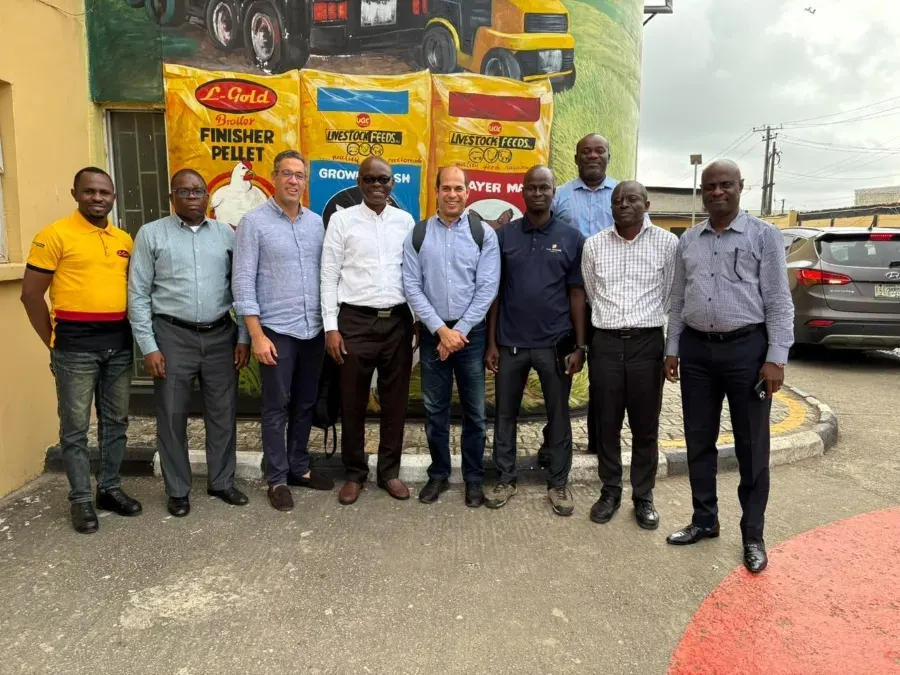
The U.S. Grains & BioProducts Council visited Nigerian feed industry stakeholders in September 2026 to promote least-cost formulation using U.S. corn, sorghum and co-products, including DDGS and corn gluten meal, ahead of an anticipated medium-term capacity increase of up to 1.5 million metric tons.
ADM has inaugurated a new early nutrition aqua feed facility in Tianjin, China, marking the company's second hatchery feed plant globally. The plant carries an annual design capacity of approximately 5,000 tonnes and produces particle sizes ranging from 50 microns to 3 mm, targeting fish and shrimp at early life stages.
India's food safety regulator FSSAI has notified the Food Safety and Standards (Laboratory and Sample Analysis) Amendment Regulations, 2026, introducing binding deadlines for laboratory analysis and formalising approved analytical methods. The rules take effect on 1 April 2027 and are relevant to imported food and feed products entering India.
A study by Nofima, NMBU and Mowi Genetics finds that selectively breeding Atlantic salmon for lower body fat could significantly improve feed efficiency, with calculations suggesting potential annual savings of around USD 121 million for the Norwegian salmon industry.