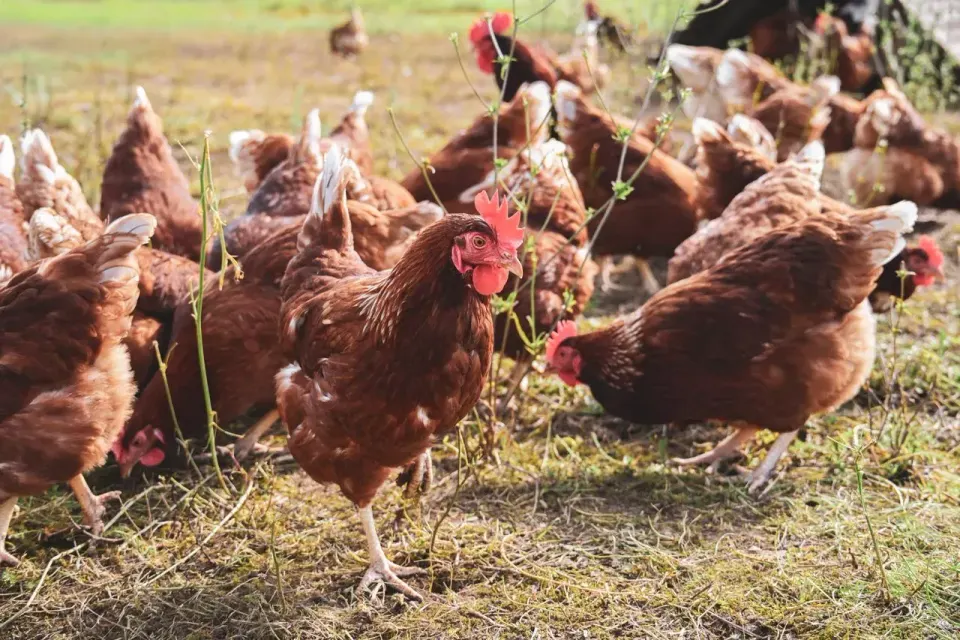
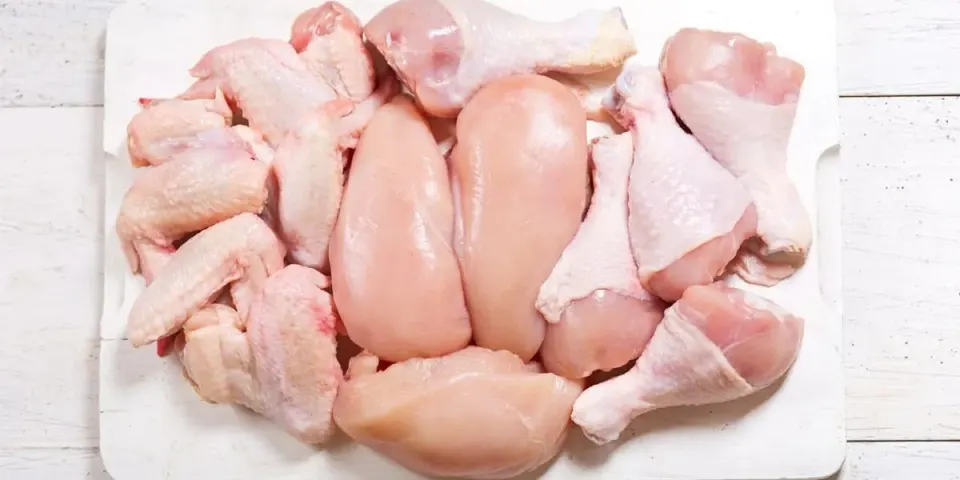
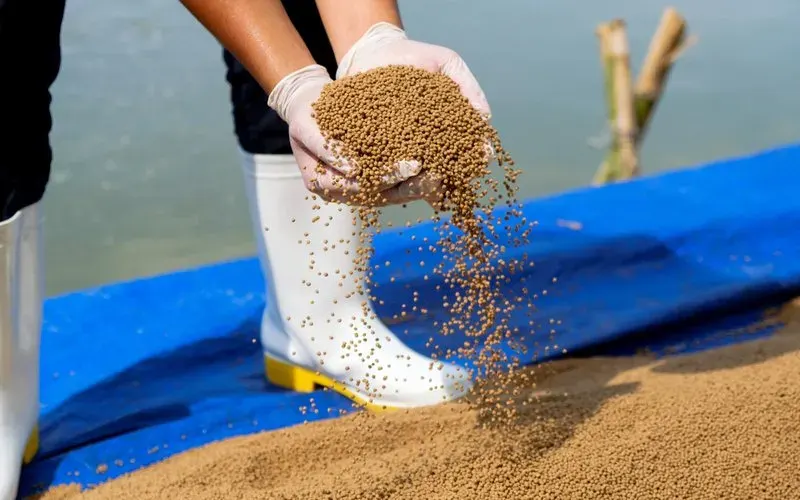
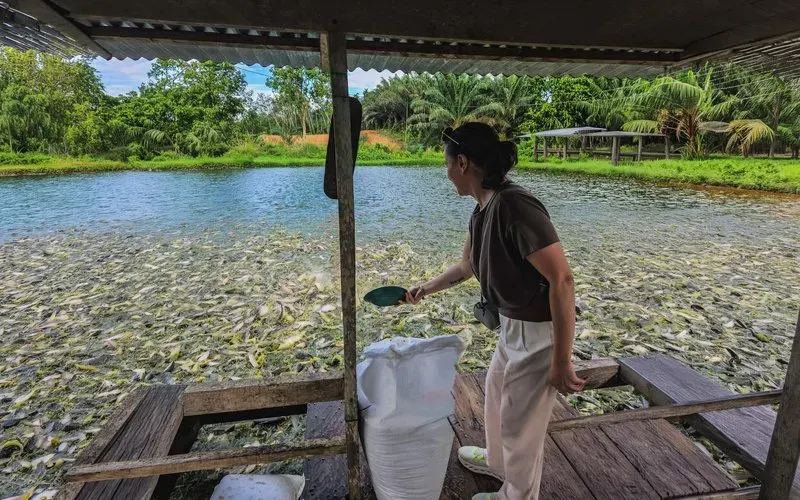
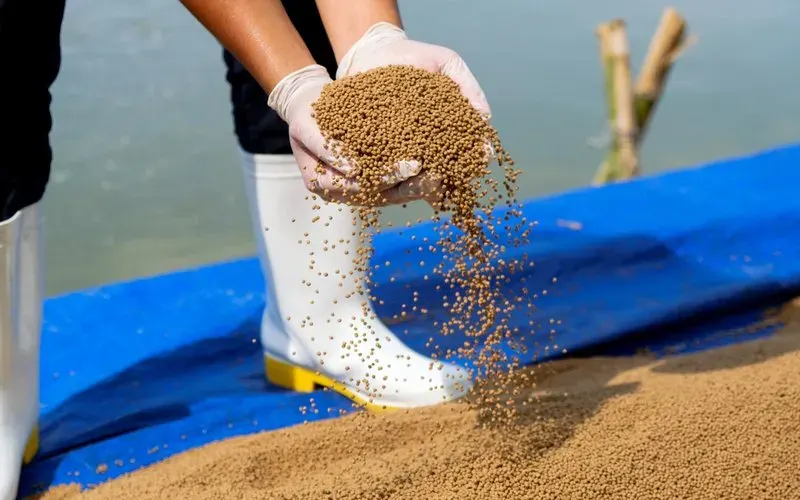
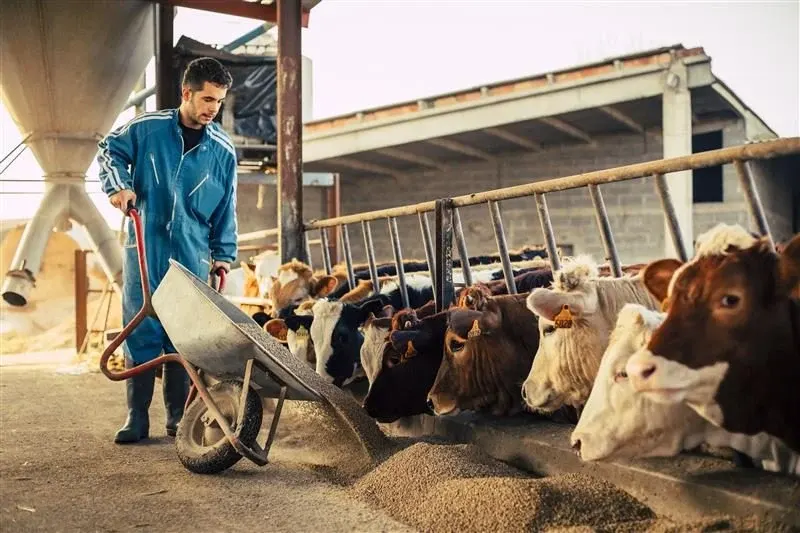
Cargill is investing more than USD 130 million over two years to expand and modernise poultry processing, feed production, grain storage, and farming infrastructure in Thailand and the Philippines, targeting rising global demand for high-quality protein.
The European Commission has told Ukraine there are no plans to renegotiate its agricultural export quotas, rejecting Kyiv's request for expanded bioethanol access even as Russian strikes continue to damage Ukrainian infrastructure and constrain its exports.
Brazil anticipates being restored to the European Union's approved list of poultry and honey suppliers following a positive assessment, after the country was left off the list when new EU import rules took effect on 3 September 2026.
China has published a 1,619-tariff-line list of U.S. products eligible for consideration for lower tariffs, covering corn, wheat, cotton, beef, pork, dairy and ethanol, but notably omitting commercial (non-seed) soybeans and distillers dried grains with solubles (DDGS). Actual tariff reductions remain pending domestic legal processes in each country, and the widely cited "30-for-30" figures represent a 2024 trade valuation benchmark rather than a purchasing or savings commitment.
The second day of the Compound Livestock Feed Manufacturers Association (CLFMA) of India's 67th National Symposium in Mumbai brought together policymakers, industry leaders, scientists and farmers to address feed security, artificial intelligence, veterinary capacity and government-industry collaboration in India's animal-agriculture sector.
A series of typhoons in the Philippines has reduced July–September 2026 corn production by an estimated 14.4%, tightening regional feed grain availability and pushing up input cost risk for Southeast Asian feed manufacturers. CBOT December 2026 corn futures are trading around 529 USc/bu, while buyers consider alternative grains including millet.
A European Commission study completed in June 2026 estimates that feed demand for ten key farmed species in the EU grew from under 900,000 tonnes in 2013 to almost 1.1 million tonnes in 2023. The report identifies plant ingredients as now comprising the majority of material demand, while highlighting cost, scalability and regulatory hurdles facing alternative proteins and oils.
The Philippines is exploring a more diversified aquafeed ingredient base as El Niño, global supply disruptions, and import dependence increase pressure on conventional feed sources, according to Ateneo de Manila University associate professor Janice A. Ragaza.
The U.S. International Development Finance Corporation has approved a US$500 million counter-guarantee facility for the IFC's Global Trade Finance Program, which could support up to US$20 billion in U.S. exports to emerging markets and ease African banks' ability to finance purchases of U.S. agricultural commodities, including grains, soybeans and animal feed.
A European Commission study completed in June 2026 estimates that feed demand for ten key farmed species in the EU grew from under 900,000 tonnes in 2013 to almost 1.1 million tonnes in 2023, while identifying plant ingredients, cost, regulation and supply-chain exposure as central challenges for the sector's future.
The South American rendering industry convened in Mendoza, Argentina, for the Reunion of the Americas (REAM) on 8–10 September 2026. Discussions centred on tightening fishmeal supply, surging export demand for Brazilian animal protein meals, shifting trade conditions for low-carbon feedstocks, and the growing interconnection of regional rendered-product markets.
Indonesian agri-food group PT JAPFA has held exploratory talks with Cambodia's Ministry of Agriculture over potential investments in aquaculture, animal feed production, and related value-chain activities, reflecting a broader push to deepen ASEAN economic ties and regional food security.