Brazil expects EU poultry exports to resume after positive audit findings
Brazil anticipates being restored to the European Union's approved list of poultry and honey suppliers following a positive assessment, after the country was left off the list when new EU import rules took effect on 3 September 2026.

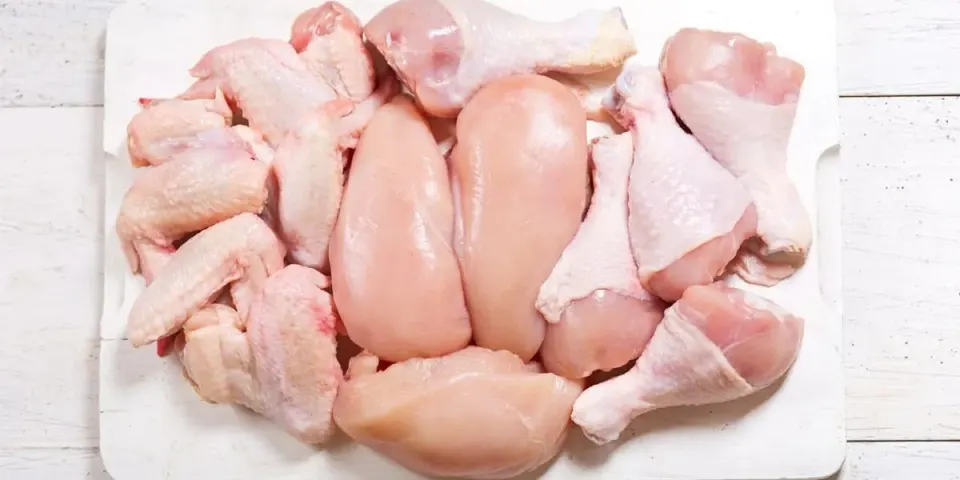
Brazil is expecting to be reinstated as an approved supplier of poultry and honey to the European Union after an audit returned positive findings, according to a report published by Food Safety News on 30 September 2026.
The audit was conducted after Brazil formally requested to be placed back on the EU's list of countries permitted to send consignments of certain animals and products of animal origin intended for human consumption to Europe. Brazil had been excluded from that list when new EU import rules entered into force on 3 September 2026.
EU rules governing such approvals include requirements on the use of veterinary medicines. According to Food Safety News, EU rules state that antimicrobial medicinal products may not be used to promote animal growth or to increase yield — a standard that applies to countries seeking access to the EU market for animal-origin products.
No timeline for formal reinstatement to the EU approved list was provided in the report, and further regulatory steps would be required before exports could resume.
Prepared with AI assistance by Endata and reviewed by the editorial team.