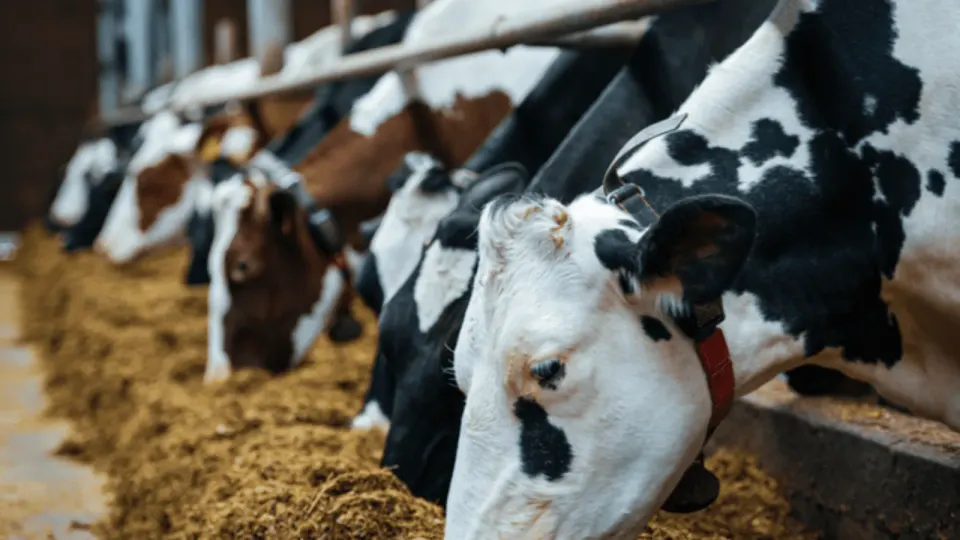
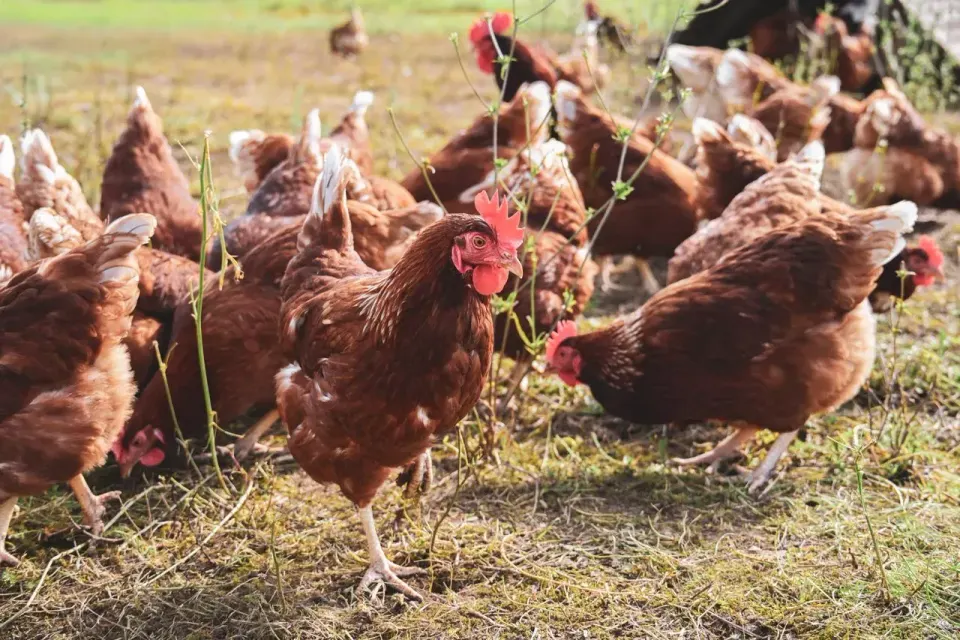
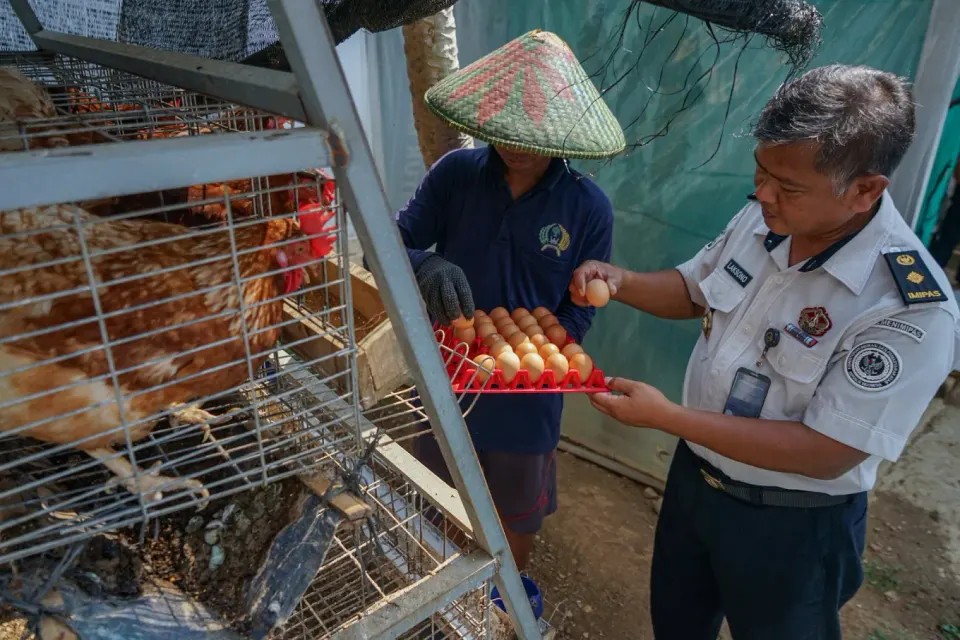
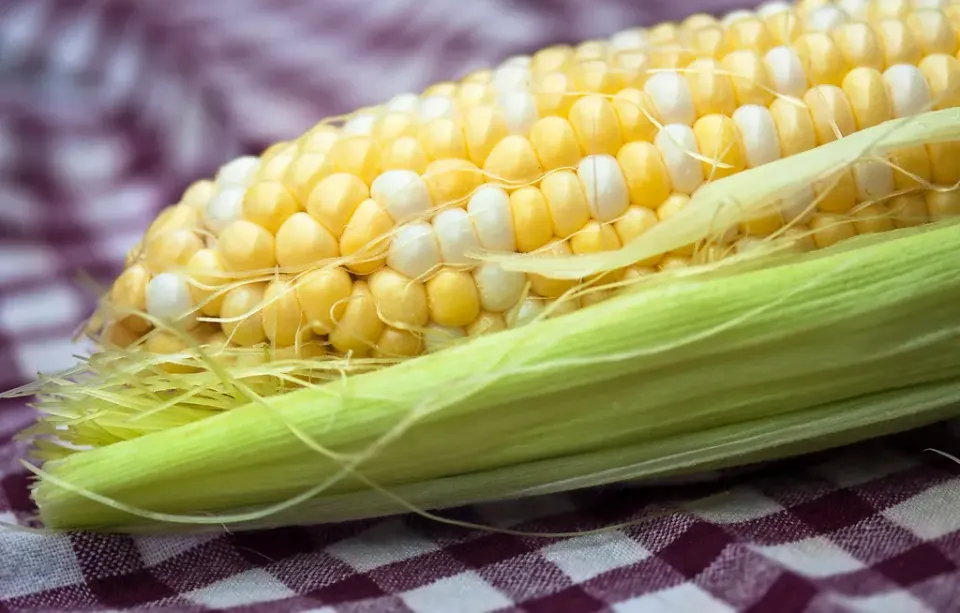
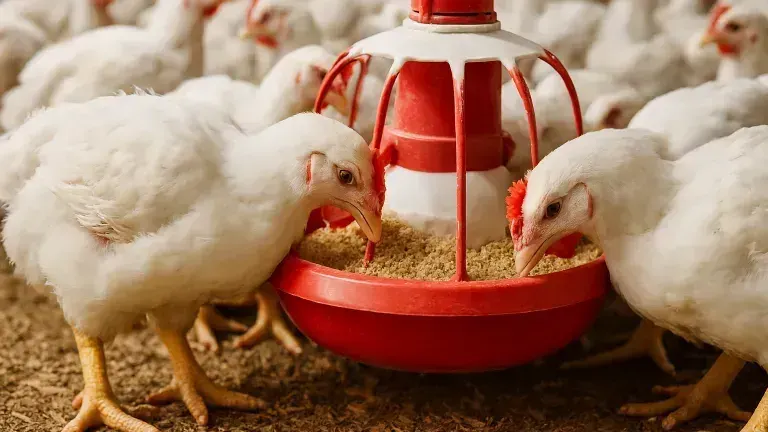
Animal feed prices in Bangladesh have climbed nearly 7% since early August 2026, driven by sharp rises in corn, soybean meal and rice bran costs. Feed mills say they are still absorbing losses despite two price increases, while poultry farmers are cutting production and protests have erupted in several districts.
Cargill is investing more than USD 130 million over two years to expand and modernise poultry processing, feed production, grain storage, and farming infrastructure in Thailand and the Philippines, targeting rising global demand for high-quality protein.
Indonesia's Agriculture Ministry has allocated around Rp 17 trillion to build an integrated livestock industry spanning feed mills, hatcheries, poultry and dairy farms across the country, with five initial sites in Lampung, East Java, South Sulawesi, West Nusa Tenggara and Gorontalo targeted for completion in 2027.
Deoxynivalenol (DON), commonly known as vomitoxin, is emerging as a significant problem in the 2026 corn harvest, prompting grain handlers including Dayton Cargill to test every load. The heat-stable mycotoxin concentrates in distillers dried grains and poses regulatory and financial risks for the animal feed industry.
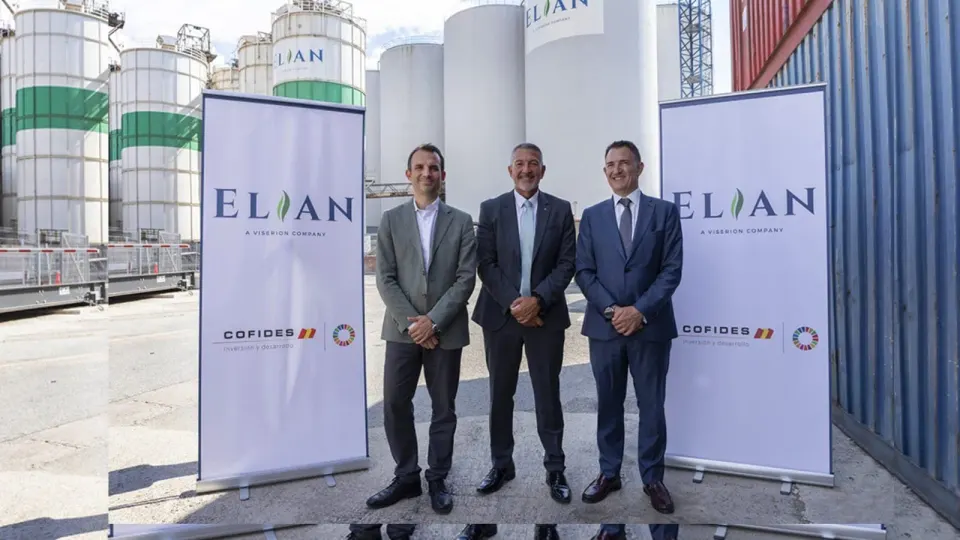
Spanish plant-based protein producer Elian has received a €40 million (US$45.66M) investment from Spain's state-owned COFIDES, giving the institution a 13.8% minority stake, as the company advances a broader €300 million expansion of its soy processing hub at the Port of Barcelona targeting completion in early 2028.
The Philippine Department of Agriculture is reviewing broader use of millet in animal feed rations to reduce the country's dependence on corn as a very strong El Niño, projected to persist into the first half of 2027, raises the risk of drought-related supply shocks. While corn remains the dominant feed grain, any large-scale millet adoption could gradually temper growth in Philippine corn import demand, a development international exporters are beginning to monitor.
An article published in The Poultry Punch warns that mycotoxin-induced liver and kidney damage can prevent poultry from converting dietary Vitamin D₃ into its biologically active form, resulting in functional deficiency even when feed is adequately supplemented. The piece also profiles a plant-derived bioactive Vitamin D supplement, Avitriol, claimed to bypass the affected conversion pathway.
U.S. grain futures on September 25, 2026 finished near session highs after early selling pressure gave way to a recovery driven by a weaker dollar and trade-deal optimism. December corn edged up fractionally, November soybeans posted weekly gains on news of a U.S.-China trade subset agreement, while wheat futures ended the week lower amid a sustained price downtrend. Persistent Midwest rains are delaying harvest and tightening soybean supplies at processors.
Italy's soft wheat flour exports rose nearly 15% year on year in the first half of 2026, with the United States becoming the largest buyer after a 38% surge in imports, even as Black Sea wheat prices remain subdued and global grain benchmarks stay under pressure.
Kansas State University has officially opened the Western Star Global Grain and Food Center, a US$130 million, 178,000-square-foot facility that consolidates grain, milling, feed, pet food and food science programmes under one roof. The centre, the largest agricultural construction project in K-State's history, opened on 18 September 2026 and forms part of the university's broader US$216 million Agriculture Innovation Initiative.
Flour Mills of Nigeria Plc (FMN Group) has appointed Akbar Ali Shah as its new Managing Director. Shah brings over two decades of FMCG experience, including senior leadership at Reckitt's Sub-Saharan African business, and will oversee grain milling, food processing, and feed milling operations as the group continues to expand across Nigeria's food and agro-industrial value chains.
ADM plans to enter the voluntary carbon removal market using credits from its corn processing complex in Columbus, Nebraska, which captures more than 800,000 tonnes of biogenic CO₂ per year. The credits will be certified by Puro.earth and are expected to be among the largest offerings of their kind, with initial issuance targeted by end of 2026.