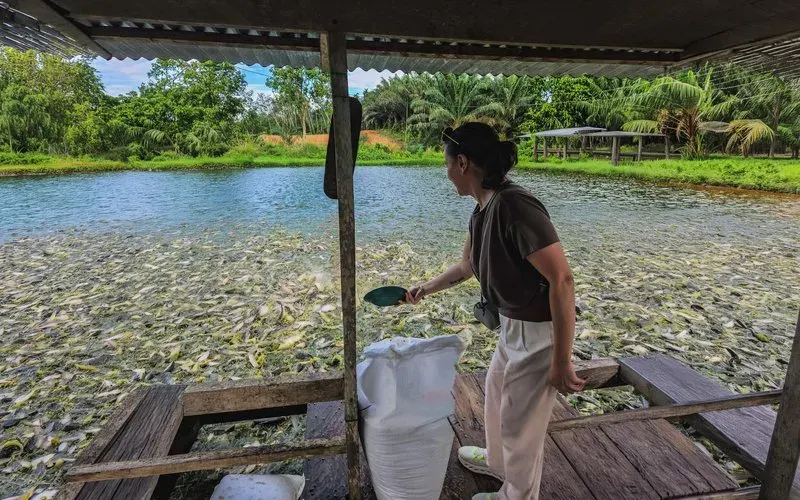
A 60-day feeding trial published in Veterinary Sciences found that replacing fishmeal in red tilapia diets with a blend of Azolla microphylla meal and soybean meal progressively reduced growth performance and worsened feed conversion as replacement rose from 25% to 75%, while fillet essential amino acid content held up through moderate levels but fell significantly at the highest inclusion rate.
A market research report from Future Market Insights projects the global aquafeed market will grow from USD 66.7 billion in 2026 to USD 123.6 billion by 2036 at a 6.4% CAGR, driven by recurring commercial aquaculture demand. Conventional aquafeed is estimated to hold a 90% share of the nature category in 2026, while fish accounts for 36% of species-category demand.
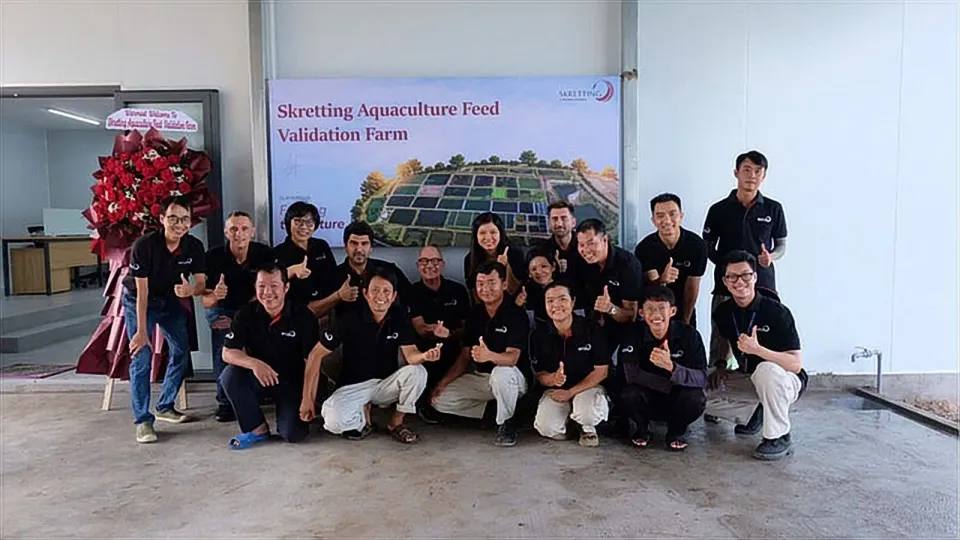
Skretting Vietnam has soft-launched a dedicated Aquaculture Feed Validation Farm designed to support structured feed research and product validation across fish and shrimp species, with potential reach across Southeast Asia and the company's global innovation network.
ACTIPRO, the animal nutrition brand of VEOS Group, and European feed manufacturer VERONESI have announced a strategic partnership to integrate upcycled egg powder into aquaculture feed formulations. The collaboration, unveiled at the Aquaculture Europe 2026 conference in Ljubljana, Slovenia, creates a closed-loop supply chain in which egg by-products from the Veronesi Group are processed by ACTIPRO into a functional egg powder and returned to VERONESI for inclusion in its aqua feed lines.
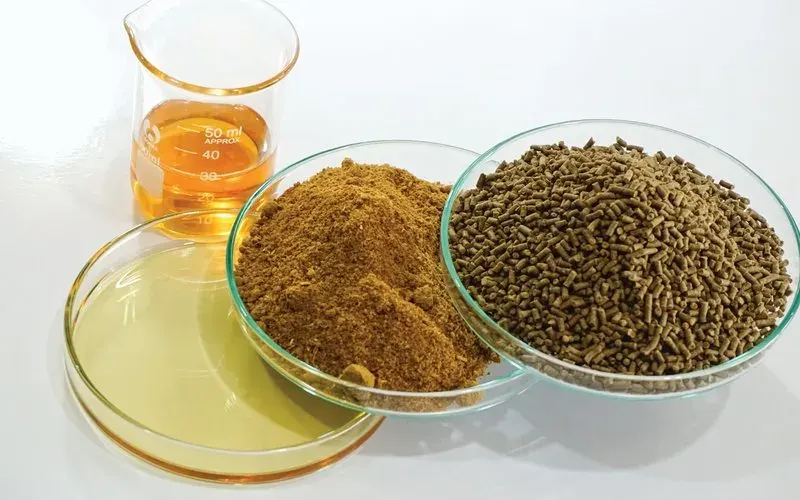
A peer-reviewed study by researchers from the University of Porto, CIIMAR, and the University of Florence, in collaboration with EPAX®, found that fatty acid ethyl ester (FAEE) oil — a byproduct of omega-3 supplement production — can completely replace fish oil in juvenile European seabass diets without impairing growth, feed utilization, or nutrient digestibility. However, the substitution significantly reduced muscle DHA levels, pointing to a potential nutritional quality trade-off that may require mitigation.
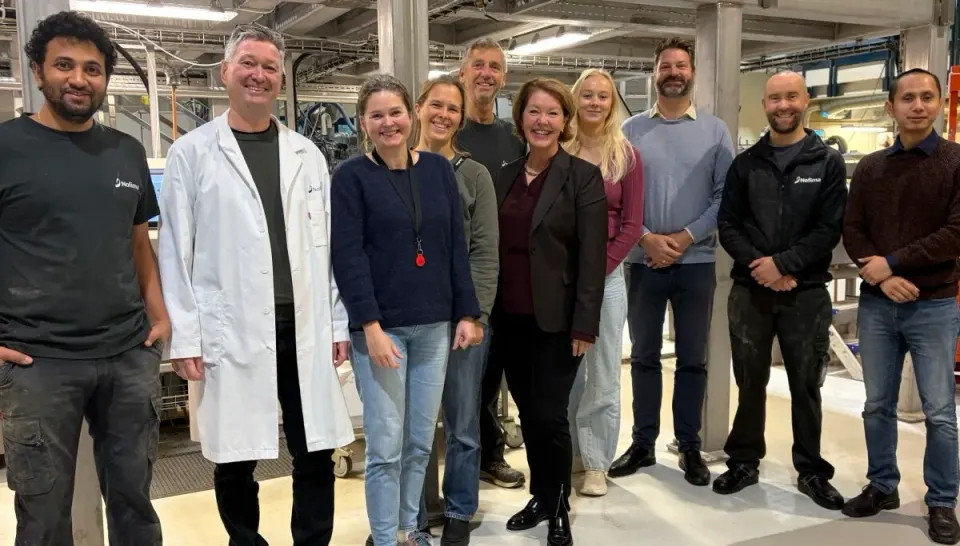
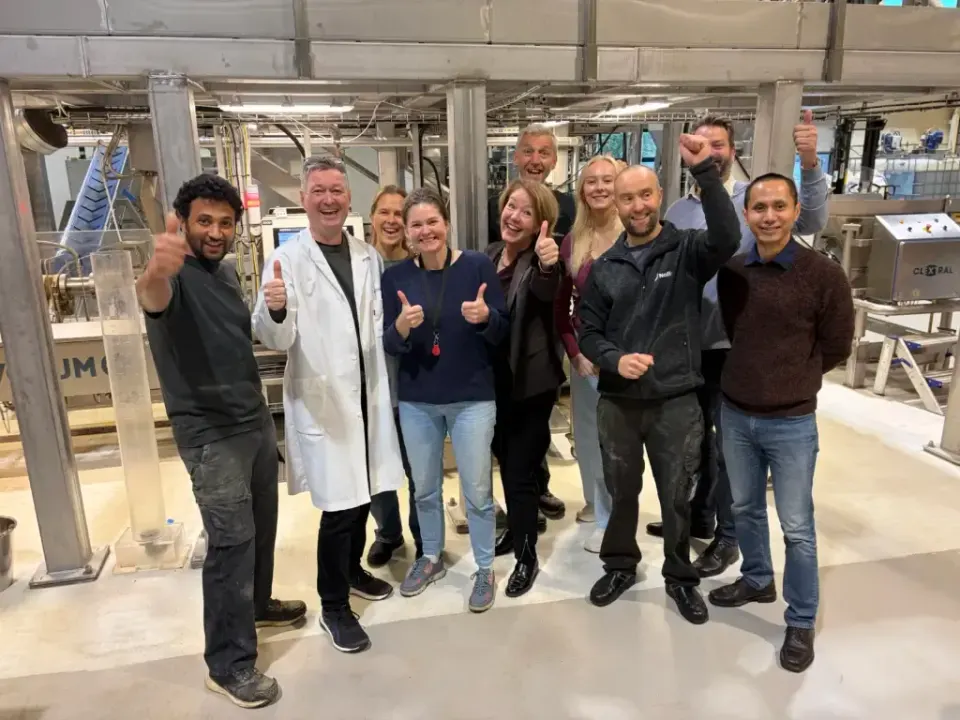
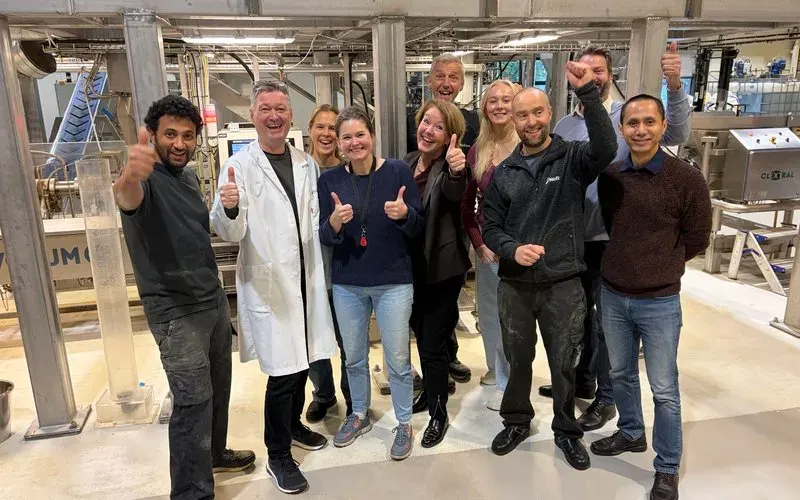
The Research Council of Norway has awarded NOK 58.851m (£4.62m) to a consortium led by Nofima, NORCE, and the University of Bergen to develop a second phase of the Aquafeed Technology Centre, strengthening Norway's national research infrastructure for sustainable aquafeed ingredient development and testing.
The Research Council of Norway has awarded NOK 1.24 billion (€110 million) across 18 projects to strengthen national research infrastructure, with Nofima's Aquafeed Technology Centre among the recipients. The funding will support Phase II of the centre, expanding Norway's capacity to develop and test aquafeed raw materials and ingredients.
A strengthening El Niño event, combined with fertilizer shortages, geopolitical tensions, and elevated energy costs, could push global food and feed commodity prices up by 14–16%, according to procurement consultancy Beroe. Key feed ingredients including corn, vegetable oils, and sugar face varying levels of supply and price risk, with the full market impact potentially not materialising until 2028.
The Research Council of Norway has selected the Aquafeed Technology Centre Phase II for funding as part of a NOK 1.24 billion (USD 130 million) investment in 18 national research infrastructure projects. Led by Nofima in collaboration with the University of Bergen and NORCE, the expanded centre will develop capacity to process, formulate and evaluate new feed raw materials and ingredients for aquaculture and other bio-based industries.
The Philippines is exploring a more diversified aquafeed ingredient base as El Niño, global supply disruptions, and import dependence increase pressure on conventional feed sources, according to Ateneo de Manila University associate professor Janice A. Ragaza.
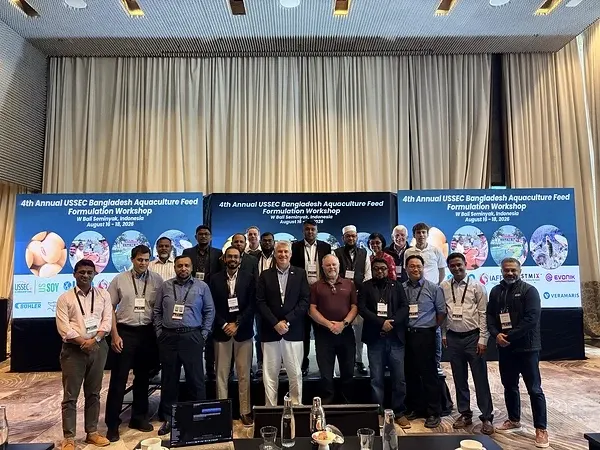
The U.S. Soybean Export Council convened two aquaculture feed formulation workshops in Bali in August 2026, bringing together commercial formulators and nutritionists from Bangladesh and eight Southeast Asian markets to build practical feed design skills around reliable ingredients including U.S. soy.
ADM has inaugurated a new early-nutrition aquafeed production facility in Tianjin, China, targeting hatchery and nursery stages for fish and shrimp. The plant — ADM's second globally dedicated to this segment after its Belgium site — has an annual design capacity of approximately 5,000 metric tons and will serve customers across the Asia-Pacific region.