Soybean futures and products on the Chicago Board of Trade are undergoing modest profit-taking after a strong late-summer rally, with US September 1 inventories running about 3% below last year and Chinese demand continuing to underpin prices across the complex.
US corn and wheat futures recovered from multi-week lows on October 1, 2026, while soybeans fell across the complex. Key market drivers included a record-high US winter wheat acre abandonment rate, a sharp cut to Russia's wheat export forecast, surging US soybean export commitments led by China, and record combined biodiesel and renewable diesel production in July.
US on-highway diesel hit an all-time record of $6.53 per gallon in the week of 21 September 2026, coinciding with the harvest season. The Trump administration is weighing a range of targeted measures — including dyed-diesel distribution, state tax relief and voluntary refiner concessions — after setting aside a 90-day export ban that energy officials and industry warned would backfire. USDA projects 2026 farm fuel and oil spending at $21.6 billion, up 28.8% from 2025.
Corn, soybean, and wheat futures faced sharp selling pressure on 25 September 2026, with all three grain markets breaking down technically amid disappointing outcomes from the Trump-Xi summit, a potential Iran-U.S. deal that pressured crude oil, and rising U.S. Treasury yields. USDA's Hogs & Pigs report added a bearish tone to cattle markets while offering a modestly supportive signal for lean hog futures.
A strengthening El Niño event, combined with fertilizer shortages, geopolitical tensions, and elevated energy costs, could push global food and feed commodity prices up by 14–16%, according to procurement consultancy Beroe. Key feed ingredients including corn, vegetable oils, and sugar face varying levels of supply and price risk, with the full market impact potentially not materialising until 2028.
Corn, soybean, and wheat futures all closed lower on 23 September 2026, pressured by weak ethanol output, lower EU and UK crop forecasts from Coceral, ongoing Black Sea military strikes, and shifting South American production outlooks, according to an ADM Investor Services market commentary.
China's state grain reserve operator Sinograin has resumed large-scale soybean auctions, including a tranche of around 543,000 tonnes of 2023–2025 crop beans, in a move analysts say is designed to rotate aging stocks and free silo capacity ahead of potential fresh US arrivals. With China estimated to be roughly halfway toward a 25 MMT US soybean purchase commitment, market participants are closely watching upcoming high-level US–China talks for any signal on tariff relief, which could quickly accelerate buying and tighten US export capacity.
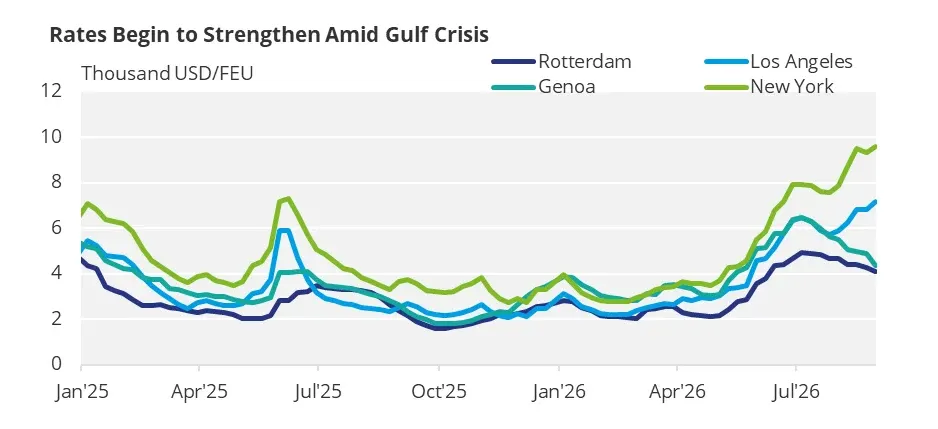
A rapidly intensifying El Niño is tightening water levels at the Panama Canal and prompting precautionary draft restrictions, according to an analysis by agribusiness consultant Alê Delara published by CZ App on 17 September 2026. The weather event could raise US Gulf-to-Asia shipping costs, eroding US soybean and corn competitiveness and redirecting Asian demand toward Brazil — but the same climate risks that could lift Brazilian export premiums also threaten its domestic harvest and push up farm input costs.