The USDA's September 30, 2026 quarterly stocks report showed corn inventories well above market expectations, a bearish signal for the feed grain, while wheat stocks came in below forecasts and soybean stocks were slightly supportive, according to an analysis by ADM Investor Services.
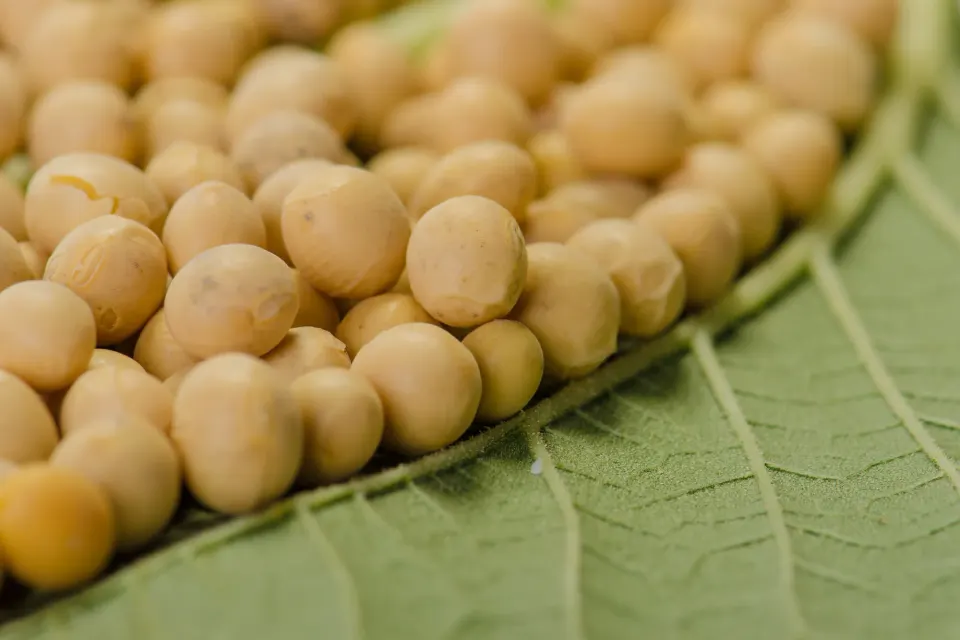
Soybean futures and products on the Chicago Board of Trade are undergoing modest profit-taking after a strong late-summer rally, with US September 1 inventories running about 3% below last year and Chinese demand continuing to underpin prices across the complex.
Cal-Maine Foods reported a net loss of $58.6 million for the first quarter of fiscal 2027, reversing a $199.3 million profit a year earlier, as average conventional shell egg prices dropped 59.3% following an industry-wide flock repopulation. Net sales fell 41.5% to $539.6 million.
U.S. Trade Representative Jamieson Greer said on October 1, 2026, that there is no set timetable for implementing proposed tariff reductions covering roughly $60 billion in U.S.-China trade, citing required legal and public comment processes. The announcement tempers expectations raised by a September 27 agreement, and leaves key agricultural commodities — including non-seed soybeans — facing continued uncertainty.
US corn and wheat futures recovered from multi-week lows on October 1, 2026, while soybeans fell across the complex. Key market drivers included a record-high US winter wheat acre abandonment rate, a sharp cut to Russia's wheat export forecast, surging US soybean export commitments led by China, and record combined biodiesel and renewable diesel production in July.
The United States and China have agreed to pursue reciprocal tariff reductions covering $60 billion worth of goods, including US corn, wheat and meat as well as Chinese consumer products, following a presidential summit in Washington. Non-seed soybeans — the largest US agricultural export to China — were excluded from China's list, prompting criticism from the American Soybean Association and a sharp drop in Chicago soybean futures. The two sides also extended their trade truce through to 10 January and agreed on an agriculture working group.
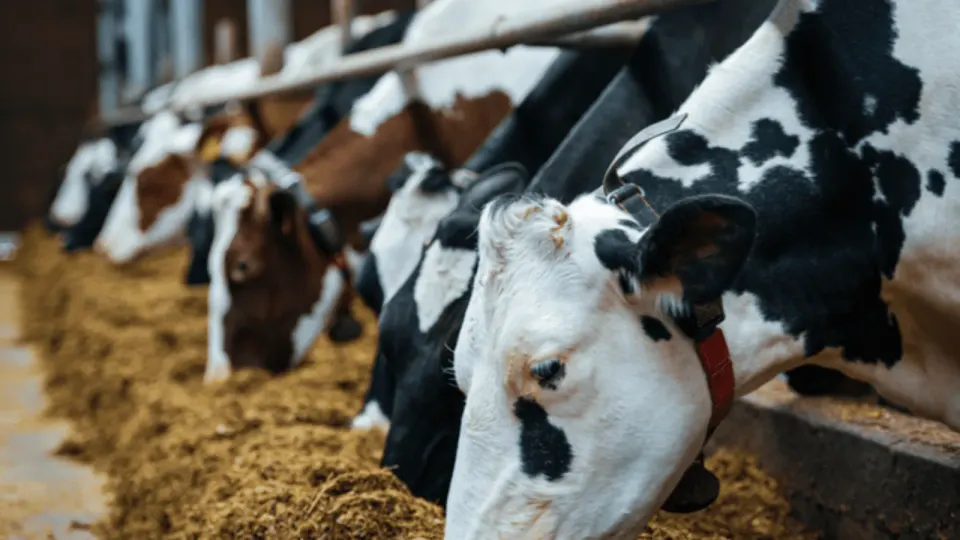
Animal feed prices in Bangladesh have climbed nearly 7% since early August 2026, driven by sharp rises in corn, soybean meal and rice bran costs. Feed mills say they are still absorbing losses despite two price increases, while poultry farmers are cutting production and protests have erupted in several districts.
China's soybean import demand is expected to ease in the coming months as private crushers face negative crush margins and weak feed demand linked to shrinking hog herds. Soybeans were excluded from tariff relief announced after the Xi-Trump summit, keeping US cargoes uncompetitive with South American supplies. Domestic inventories at Chinese crushing plants have reached a 15-year high.
Malaysian palm oil futures fell around 2% on 25 September 2026, hitting their lowest levels since early August, as expectations of rising stocks above 3.1 million tonnes and weak Indian import demand weighed on prices. Analysts warn that El Niño-related yield losses could tighten the global balance in 2027, capping longer-term downside.
China has published a 1,619-tariff-line list of U.S. products eligible for consideration for lower tariffs, covering corn, wheat, cotton, beef, pork, dairy and ethanol, but notably omitting commercial (non-seed) soybeans and distillers dried grains with solubles (DDGS). Actual tariff reductions remain pending domestic legal processes in each country, and the widely cited "30-for-30" figures represent a 2024 trade valuation benchmark rather than a purchasing or savings commitment.
Australia's Department of Agriculture, Forestry and Fisheries has briefed stakeholders on the EU Deforestation Regulation, which is now confirmed to take effect from 31 December 2026 after two consecutive 12-month delays. Australian beef and lamb exporters shipping product from October 2026 onwards must comply with the new rules, with geolocation of supply properties being the primary requirement for Australia's "low-risk" country classification.
Agricultural commodity futures posted sharply divergent results in the week ending 25 September 2026, with November soybeans gaining 15½ cents to $13.19 per bushel and November feeder cattle surging nearly $14, while wheat contracts fell as much as 27¾ cents. China trade developments, harvest-season supply pressure, and commodity-specific fundamentals drove the split outcomes, according to a weekly market analysis published by Ag Bull on 26 September 2026.