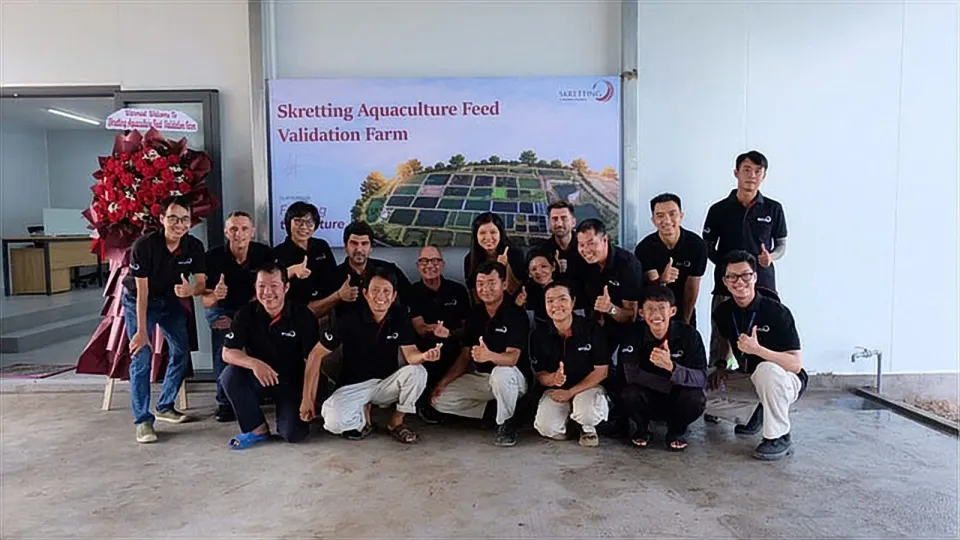
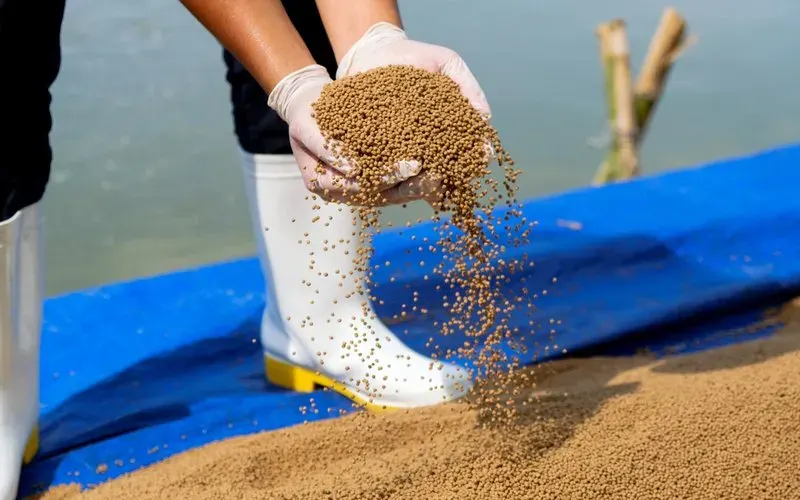
Skretting Vietnam has soft-launched a dedicated Aquaculture Feed Validation Farm designed to support structured feed research and product validation across fish and shrimp species, with potential reach across Southeast Asia and the company's global innovation network.
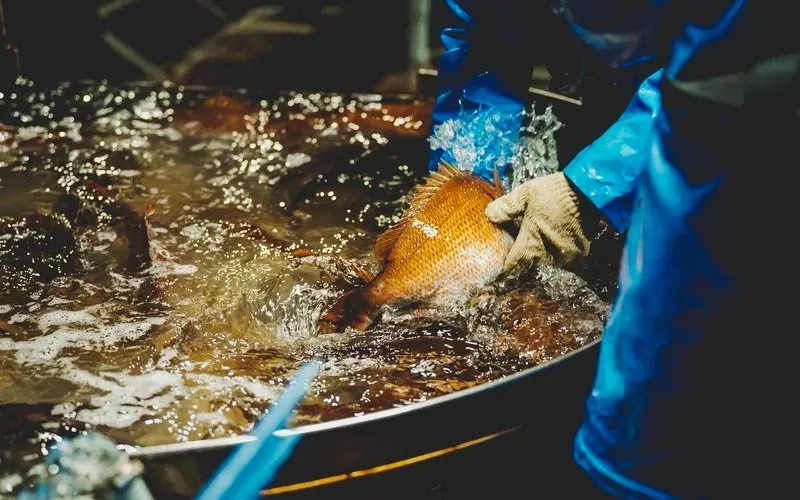
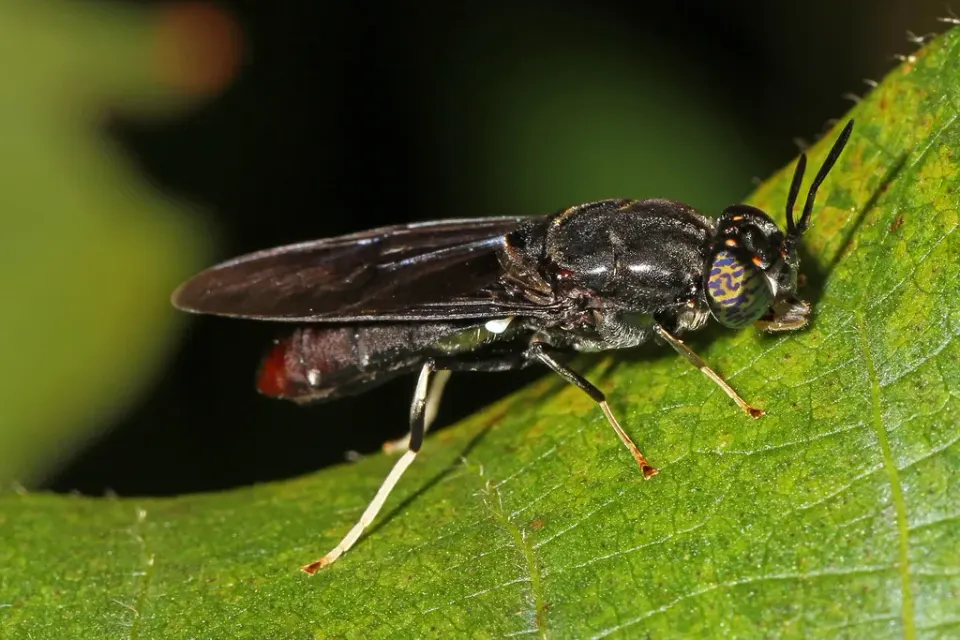
Japan's Dainichi Corporation is competing in the F3 Fish Farm Challenge 2025–2027, raising red seabream from juvenile stage to harvest on a diet free of marine-animal ingredients. The company is using soy protein concentrate and black soldier fly meal as principal alternatives, has invested in ingredient supplier Protenga, and is trialling AI-assisted feeding alongside hand feeding to optimise performance.
France-based Innovafeed and Dutch company Protix have jointly published a white paper arguing that current life cycle assessments of insect-derived feed ingredients rely on outdated pilot-scale data and fail to capture real-world sustainability gains already achieved at industrial scale, including a reduction in Innovafeed's carbon intensity by a factor of five since 2022.
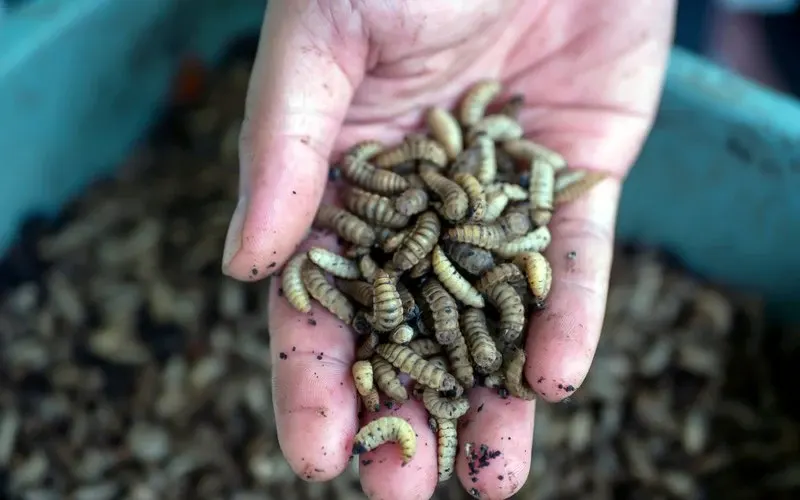
NRGene Canada and Ile-a-la-Crosse Fish Company have validated a black soldier fly feed recipe built around local fish processing byproducts at semi-industrial scale, producing larvae containing marine omega-3 fatty acids EPA and DHA for use as a poultry feed supplement.
A European Commission study completed in June 2026 estimates that feed demand for ten key farmed species in the EU grew from under 900,000 tonnes in 2013 to almost 1.1 million tonnes in 2023. The report identifies plant ingredients as now comprising the majority of material demand, while highlighting cost, scalability and regulatory hurdles facing alternative proteins and oils.
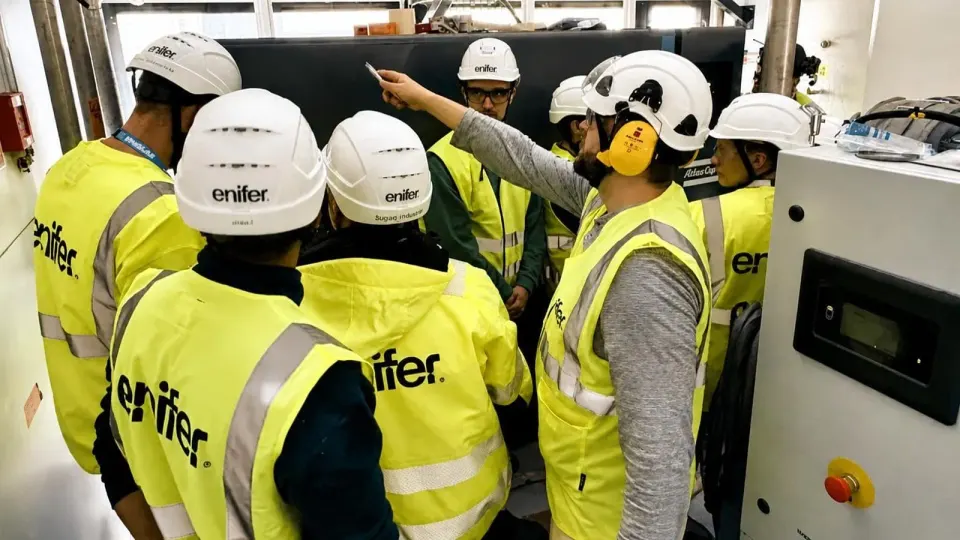
Finnish biotechnology company Enifer has started commissioning its first industrial-scale PEKILO® mycoprotein facility in Kantvik, Finland, with a planned output of 500 kg of dry mycoprotein per hour. The plant, funded partly through the EU's NextGenerationEU programme, aims to strengthen Finland's domestic protein supply for animal feed as the country's self-sufficiency in supplementary plant-based protein stands at only around 15%.
A European Commission study completed in June 2026 estimates that feed demand for ten key farmed species in the EU grew from under 900,000 tonnes in 2013 to almost 1.1 million tonnes in 2023, while identifying plant ingredients, cost, regulation and supply-chain exposure as central challenges for the sector's future.
A new Portuguese initiative, the Food4Thought project, is working with secondary-school and university students to counter misinformation about farmed fish and insects as food sources, using a three-stage educational approach backed by scientific evidence.
NRGene Canada and Ile-a-la-Crosse Fish Company Inc. have completed a semi-industrial trial in Saskatoon, Canada, demonstrating that black soldier fly larvae raised on fish-processing by-products accumulate the marine omega-3 fatty acids EPA and DHA. The partners are now planning an on-site BSF rearing facility in Ile-a-la-Crosse, Saskatchewan, following the hub-and-spoke model supported by the FairGene neonate supply joint venture.
NRGene Canada and Île-à-la-Crosse Fish Company have validated a semi-industrial process for rearing black soldier fly larvae on fish-processing by-products, producing MaxBSF™ larvae containing the marine omega-3 fatty acids EPA and DHA. The partners are now planning an on-site rearing facility in Île-à-la-Crosse, Saskatchewan, using a hub-and-spoke supply model with neonates sourced from the FairGene joint venture in Alberta.
NRGene Canada and Ile-a-la-Crosse Fish Company have validated a semi-industrial black soldier fly (BSF) production process using local fish-processing by-products, yielding MaxBSF™ larvae containing marine omega-3 fatty acids EPA and DHA. The partners now plan an on-site rearing facility in Ile-a-la-Crosse, Saskatchewan, as part of NRGene Canada's hub-and-spoke insect production model.