NRGene Canada and Ile-a-la-Crosse Fish Company produce omega-3-rich BSF larvae from fish-processing by-products
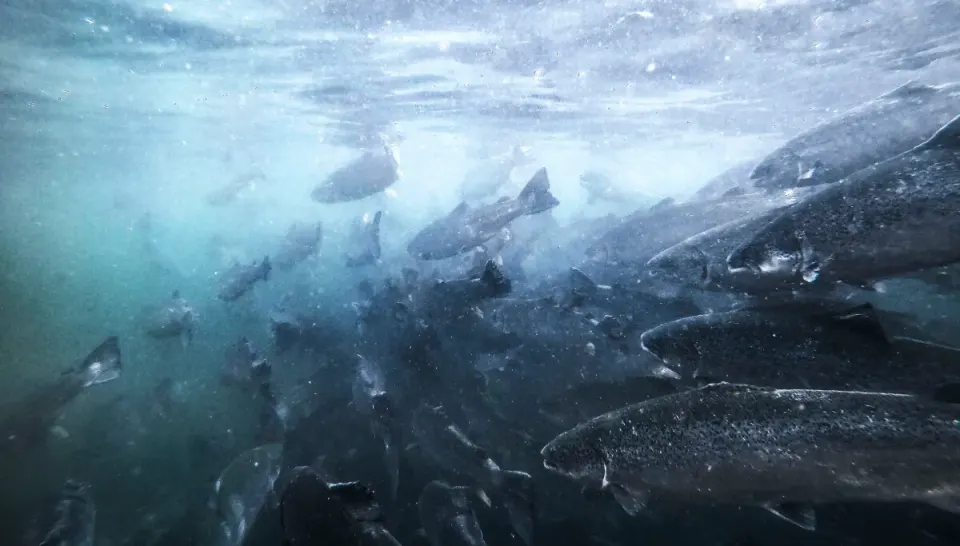
NRGene Canada and Ile-a-la-Crosse Fish Company Inc. have completed a semi-industrial trial in Saskatoon, Canada, demonstrating that black soldier fly larvae raised on fish-processing by-products accumulate the marine omega-3 fatty acids EPA and DHA. The partners are now planning an on-site BSF rearing facility in Ile-a-la-Crosse, Saskatchewan, following the hub-and-spoke model supported by the FairGene neonate supply joint venture.

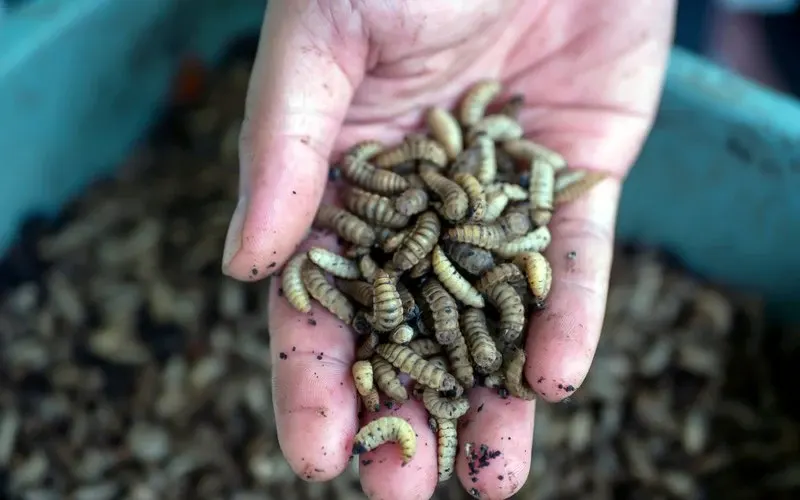
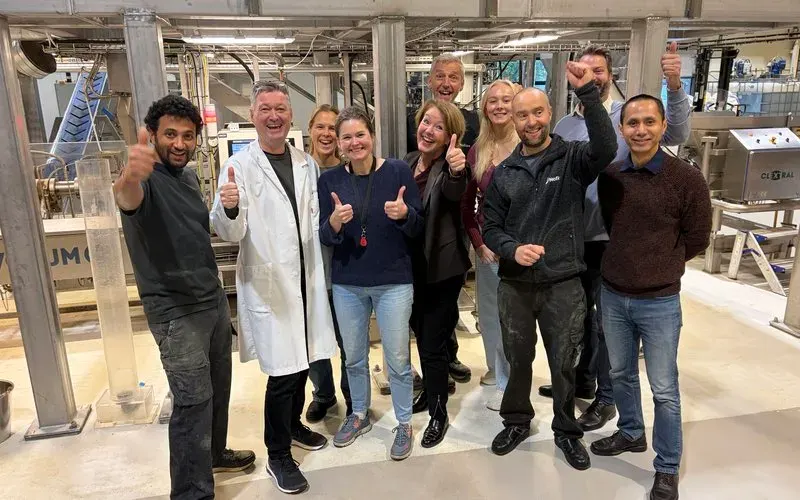
NRGene Canada and Ile-a-la-Crosse Fish Company Inc. have announced a new milestone in their black soldier fly (BSF) partnership, completing a semi-industrial trial that produced MaxBSF™ larvae rich in marine omega-3 fatty acids EPA and DHA from fish-processing by-products.
The trial was conducted at the North American Insect Center (NAIC) in Saskatoon and processed 0.3 metric tons of feed containing 50% fish-processing by-products, producing approximately 90 kg of MaxBSF™ larvae with a wet feed conversion ratio (FCR) of approximately 3.3. The larvae completed the production cycle in 11 days, following a five-day nursery stage and a six-day grow-out period.
Prairie Tide Diversified Inc., a CALA-accredited laboratory in Saskatoon, analysed the MaxBSF™ larvae reared on the fish-based feed and compared them with larvae of the same genetics raised on standard feed. According to NRGene Canada, the fish-fed larvae contained several times more total omega-3 than those on standard feed, and were found to contain EPA and DHA, neither of which was detected in the standard-feed larvae.
"These results matter because conventional BSF larvae generally contain very limited levels of EPA and DHA. By incorporating fish-processing by-products into the feed, we can produce MaxBSF™ larvae that combine insect protein with valuable marine omega-3 fatty acids," said Ben Gradus, director of product, BSF at NRGene Canada.
The partnership, which began in January 2025, was established to convert a regional by-product with limited economic use into a nutritious feed supplement for poultry. The companies stated that feeding the resulting larvae to laying hens could potentially support higher omega-3 content in eggs. The enhanced nutritional profile could also create new opportunities for MaxBites™, NRGene Canada's dried BSF larvae product for animal feed.
Fish-processing by-products present particular challenges for BSF production due to their high moisture and fat content and rapid spoilage. NRGene Canada stated that their use requires a dedicated feed formulation, controlled production conditions, and high-performing genetics.
"We set out to demonstrate that a difficult waste stream could be converted efficiently and consistently at a commercially meaningful scale. The run confirmed the process scales, and the economics hold up," said Yossi Levi, chief business officer of NRGene Canada.
Following validation of the feed, the partners are planning an on-site BSF rearing facility in Ile-a-la-Crosse, sized according to the volume of fish-processing by-products generated locally. The project would follow NRGene Canada's hub-and-spoke model, combining centralised egg and neonate production with regional rearing facilities located close to local by-product streams. Neonates for the planned facility would be supplied by FairGene, the joint venture between NRGene Canada and Fairville Farming Co. in Bassano, Alberta, which began producing BSF eggs in July 2026.
"Our community is proud to be at the forefront of this innovative work. This partnership reflects our cultural values of sustainability and way of life. Processing our by-products locally means more of the jobs, knowledge and value stay in Ile-a-la-Crosse," said Tyler Morin, CEO of Ile-a-la-Crosse Fish Company.
The companies also cited potential economic benefits for the region, noting that local processing could create new revenue streams and jobs in Ile-a-la-Crosse and additional revenue opportunities for fish harvesters in northwest Saskatchewan.
"This is a scalable model, not a one-time project. We take a local organic by-product, develop a dedicated feed, supply high-quality neonates from a central egg facility and establish the rearing operation close to the feedstock. Many regional by-product streams could benefit from the same approach," Levi said.
Prepared with AI assistance and reviewed by the editorial team.