Enifer Begins Commissioning Industrial-Scale Mycoprotein Factory in Finland
Finnish biotechnology company Enifer has started commissioning its first industrial-scale PEKILO® mycoprotein facility in Kantvik, Finland, with a planned output of 500 kg of dry mycoprotein per hour. The plant, funded partly through the EU's NextGenerationEU programme, aims to strengthen Finland's domestic protein supply for animal feed as the country's self-sufficiency in supplementary plant-based protein stands at only around 15%.

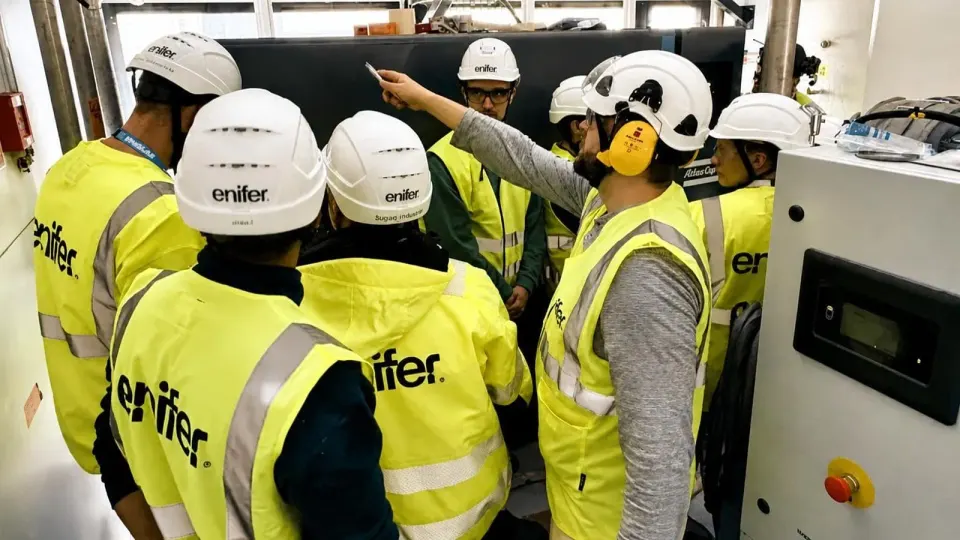
Finnish biotechnology company Enifer has started commissioning its first industrial-scale PEKILO® mycoprotein factory in Kantvik, Finland, marking a significant step toward commercial production of a fermentation-based protein ingredient for animal feed.
The facility was developed as a brownfield project within an existing industrial building and has access to steam, electricity, process and cooling water, and wastewater treatment infrastructure. Commissioning has begun with testing of the first equipment at the site, according to Feed Business Middle East & Africa.
At full capacity, the plant is designed to produce 500 kg of dry mycoprotein per hour. The protein is generated by cultivating a specific fungus through fermentation, a process Enifer describes as similar to those used in brewing beer and producing soy sauce. The company states that PEKILO® powder contains high-quality protein and fibre and has a neutral colour and taste.
Enifer claims the facility will be capable of producing an amount of protein equivalent to that provided by 30,000 cows, while generating at least 20 times lower carbon emissions — though these figures are the company's own assertions and have not been independently verified.
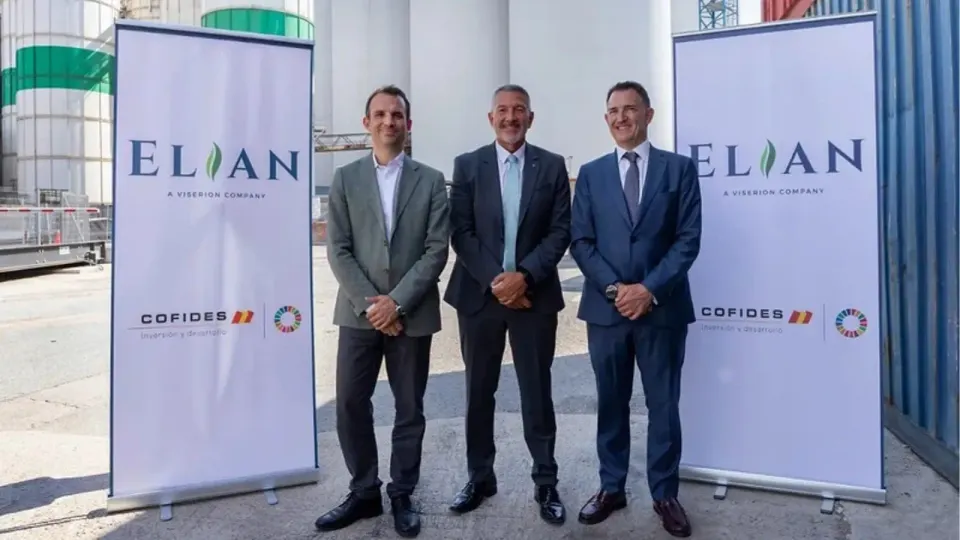
The project has received funding through the European Union's NextGenerationEU programme. Once commissioning is completed, the Kantvik facility is expected to transition to commercial operations.
Finland's Protein Self-Sufficiency Challenge
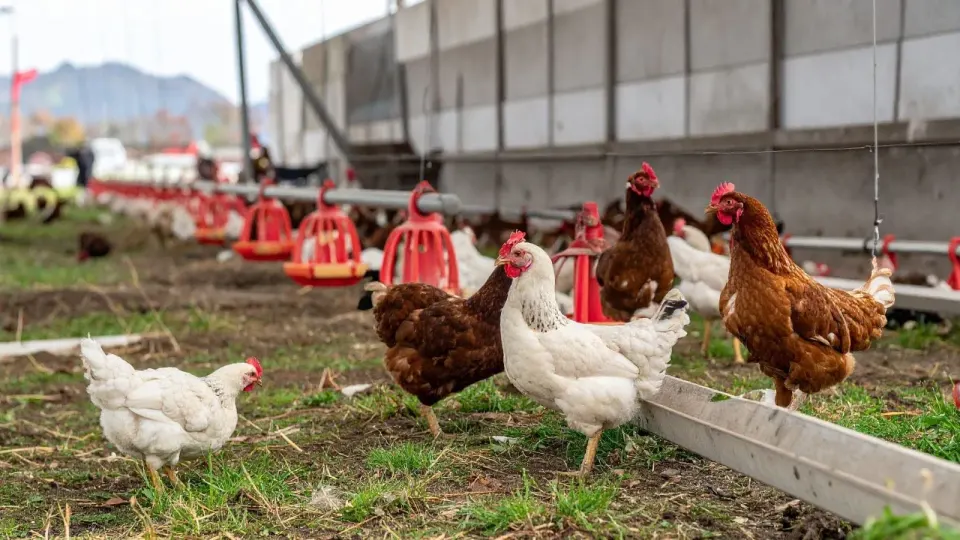
The investment comes against the backdrop of Finland's ongoing efforts to develop domestic alternatives to imported protein feed ingredients. Natural Resources Institute Finland (Luke) has reported that Finland's self-sufficiency in supplementary plant-based protein used in animal feed is only around 15%, with imported soybean and other protein sources forming an important part of livestock diets.
Luke has also identified replacing imported soy with new protein sources as an important area for more sustainable poultry production, with research ongoing into legumes, grass protein, and insect protein. PEKILO® mycoprotein adds a fermentation-based option to the range of alternatives being explored for feed applications in Finland.
Prepared with AI assistance and reviewed by the editorial team.