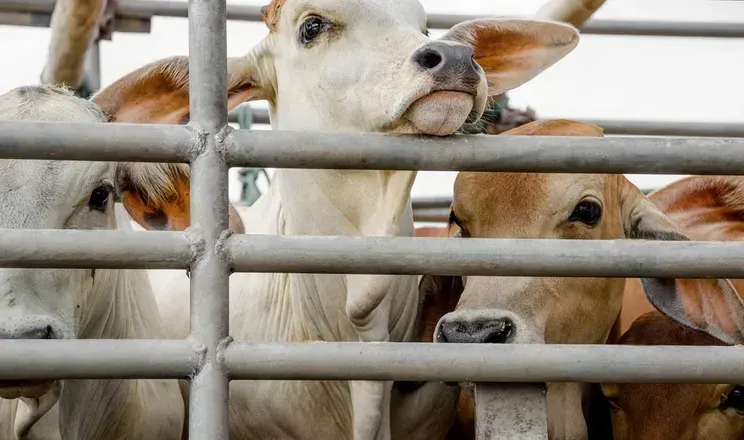
Ukraine's Cabinet of Ministers has approved three new unified import document forms covering live animals, animal products, and non-animal feed, replacing a 2018 regulation and aligning border control procedures with European Union standards under the IMSOC framework.
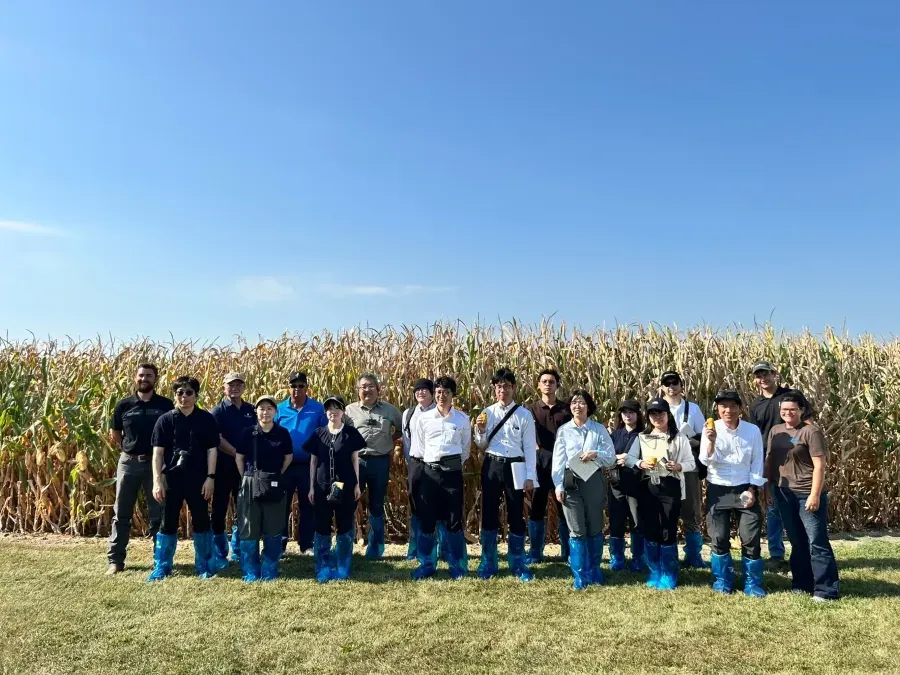
The U.S. Grains & BioProducts Council recently guided a delegation of Japanese corn food and feed end-users through sites in Iowa and Washington, exposing newer buyers to U.S. corn production, quality standards, and export logistics in a bid to strengthen long-term trade ties with Japan.
The U.S. Grains & BioProducts Council has released an evidence-based factsheet asserting that U.S. corn delivers higher yields, lower greenhouse gas emissions, faster processing times, and better feed conversion rates than corn from other major producing countries, with estimated financial benefits for wet millers and broiler producers.
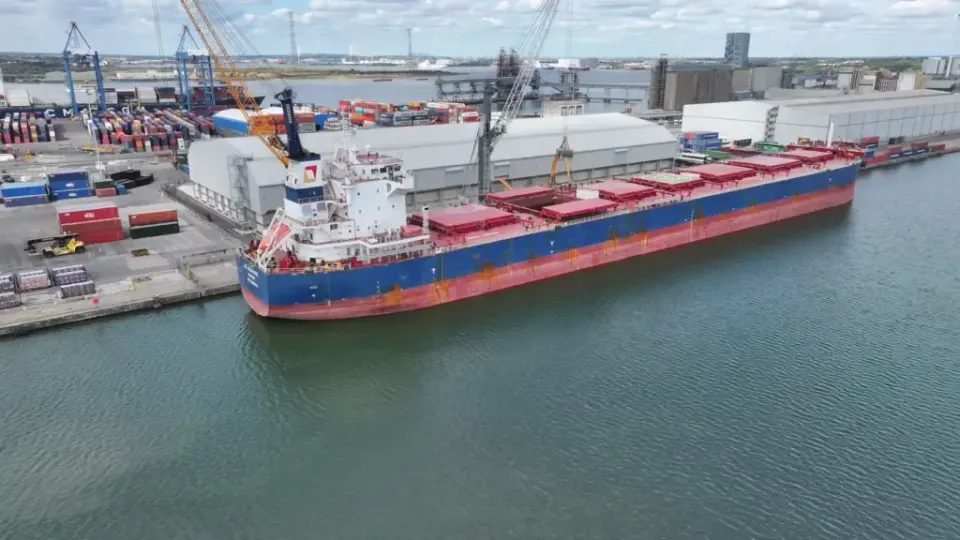
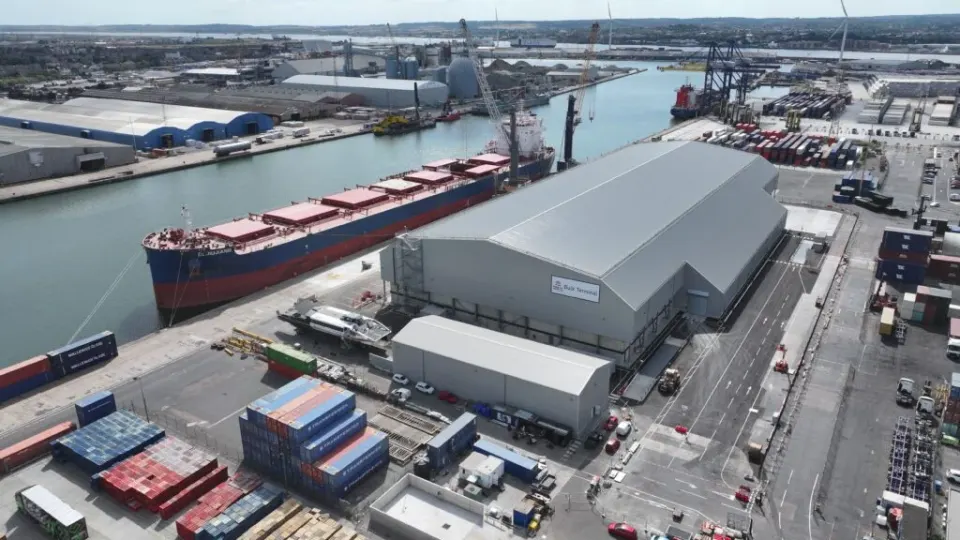
Grain and animal feed trader Cefetra has opened a new purpose-built bulk storage and handling facility at Berth 43, Port of Tilbury, representing a £21 million infrastructure investment. The 14,000 square metre site can store up to 65,000 tonnes of imported animal feed products, including soyabean meal, and is designed for direct vessel discharge operations.
India's food safety regulator FSSAI has notified the Food Safety and Standards (Laboratory and Sample Analysis) Amendment Regulations, 2026, introducing binding deadlines for laboratory analysis and formalising approved analytical methods. The rules take effect on 1 April 2027 and are relevant to imported food and feed products entering India.
The Rural Mainstreet Index fell to 44.7 in September 2026, slipping back below the growth-neutral threshold of 50.0 for the fourth time in six months, as rising fertiliser and fuel costs outweighed optimism from higher grain prices, according to Creighton University's monthly survey of rural bank CEOs.
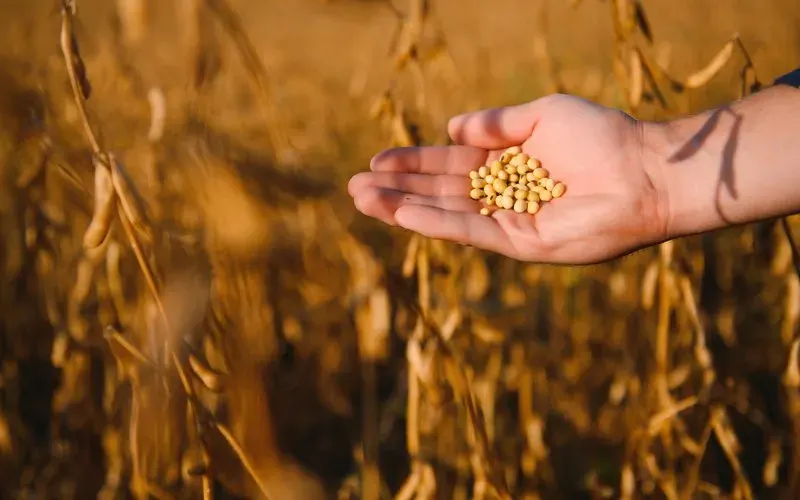
The European Feed Manufacturers' Federation (FEFAC) has published its fourth impact assessment warning that converging pressures from drought, Black Sea trade disruption, and EU Deforestation Regulation (EUDR) sourcing constraints could create a soybean meal supply gap of at least 5 million tonnes in the 2026/2027 marketing year, with total estimated costs to the EU feed and livestock sector reaching around €1.40 billion.
A new 14,000-square-metre bulk storage and handling facility has opened at Berth 43 at the Port of Tilbury, built for grain and animal feed trader Cefetra. The facility can hold up to 65,000 tonnes of imported animal feed products including soyabean meal and is designed to streamline vessel discharge operations serving the South and East of England.
ADM has inaugurated a new early-nutrition aquafeed production facility in Tianjin, China, targeting hatchery and nursery stages for fish and shrimp. The plant — ADM's second globally dedicated to this segment after its Belgium site — has an annual design capacity of approximately 5,000 metric tons and will serve customers across the Asia-Pacific region.
ADM has inaugurated a new early nutrition aquafeed production facility in Tianjin, China, its second site globally dedicated to hatchery and nursery feeds after its Belgium plant. With an annual design capacity of approximately 5,000 metric tons, the facility aims to serve fish and shrimp producers in China and across the Asia Pacific region.
The European Feed Manufacturers Federation (FEFAC) has projected a soybean meal supply gap of at least 5 million tonnes in the EU for the 2026-27 marketing year, driven by drought, Black Sea trade disruptions, and sourcing constraints tied to the EU Deforestation Regulation. The federation estimates the combined cost impact on the EU feed and livestock sector could reach approximately EUR 1.4 billion and has called on EU institutions to act urgently to protect feed security.
A rapidly intensifying El Niño is tightening water levels at the Panama Canal and prompting precautionary draft restrictions, according to an analysis by agribusiness consultant Alê Delara published by CZ App on 17 September 2026. The weather event could raise US Gulf-to-Asia shipping costs, eroding US soybean and corn competitiveness and redirecting Asian demand toward Brazil — but the same climate risks that could lift Brazilian export premiums also threaten its domestic harvest and push up farm input costs.