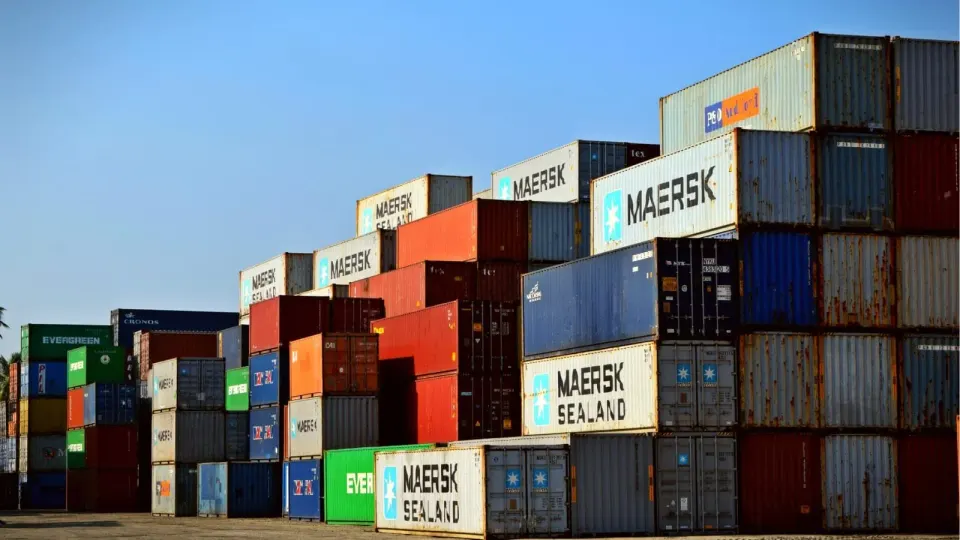
The U.S. International Development Finance Corporation has approved a US$500 million counter-guarantee facility for the IFC's Global Trade Finance Program, which could support up to US$20 billion in U.S. exports to emerging markets and ease African banks' ability to finance purchases of U.S. agricultural commodities, including grains, soybeans and animal feed.
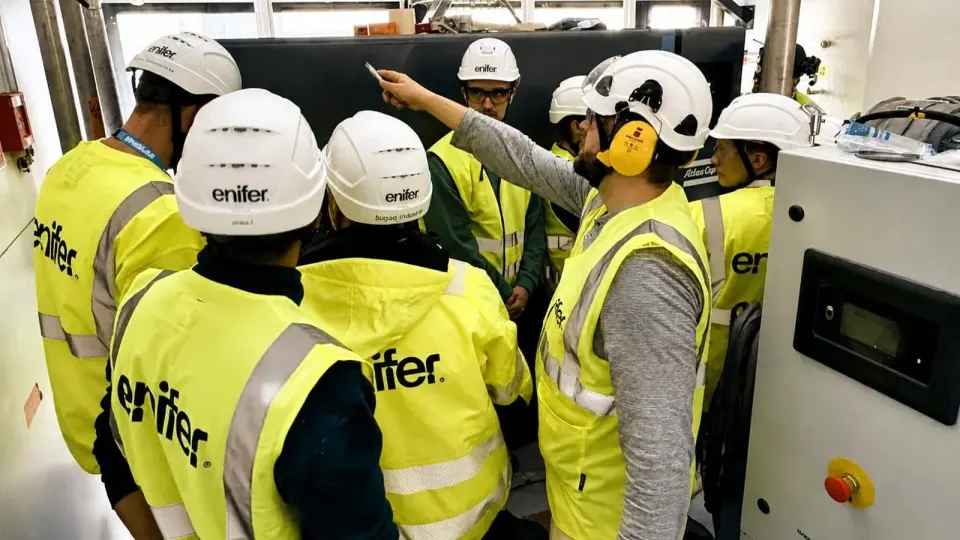
Finnish biotechnology company Enifer has started commissioning its first industrial-scale PEKILO® mycoprotein facility in Kantvik, Finland, with a planned output of 500 kg of dry mycoprotein per hour. The plant, funded partly through the EU's NextGenerationEU programme, aims to strengthen Finland's domestic protein supply for animal feed as the country's self-sufficiency in supplementary plant-based protein stands at only around 15%.
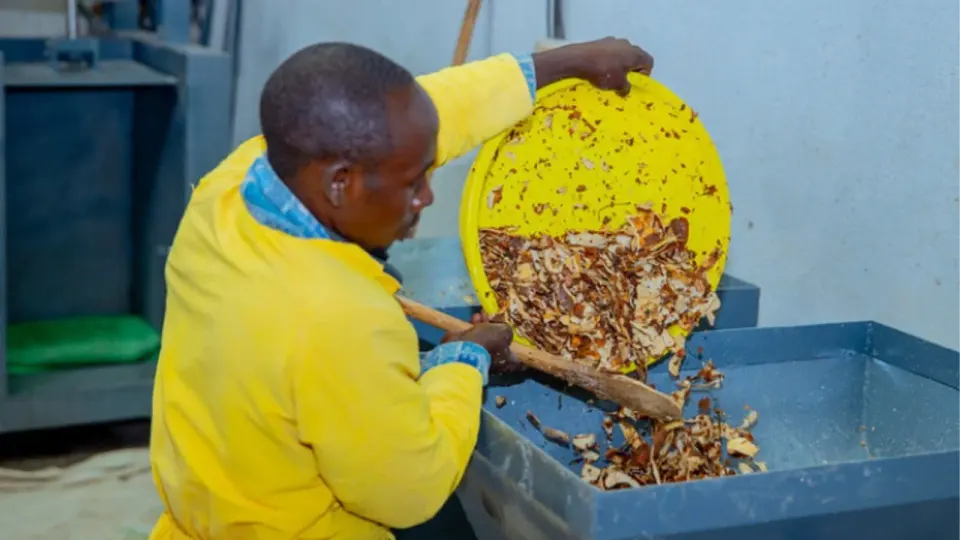
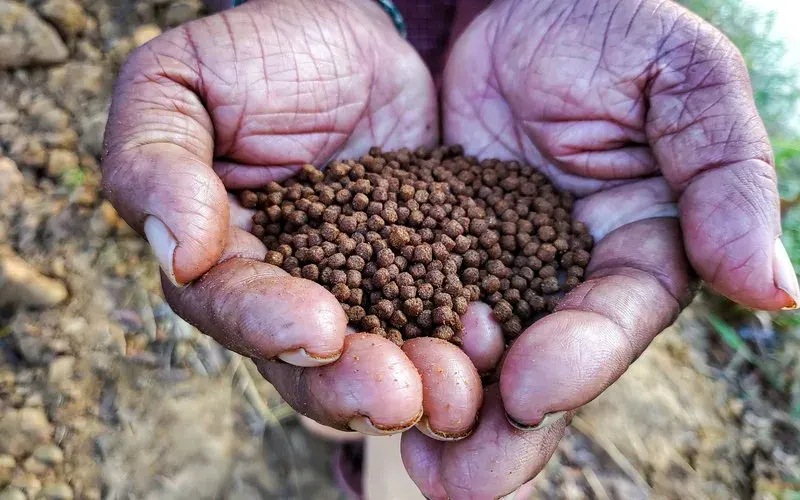
Rwanda-based Kabizu Business Group, with technical support from IITA Rwanda's RUNRES project, has developed a facility to process cassava peels into High-Quality Cassava Peels (HQCP), a locally produced animal feed ingredient aimed at reducing agricultural waste and the cost of conventional feed inputs.
Grain futures rose overnight on 21 September 2026 as China's state-owned firms purchased at least 260,000 tonnes of U.S. soybeans days before a presidential summit in Washington, while U.S. and Chinese officials began preparatory trade talks in New York. Soybean meal, corn and wheat futures all gained, though progress on China's broader $17 billion annual farm-goods commitment remains limited.
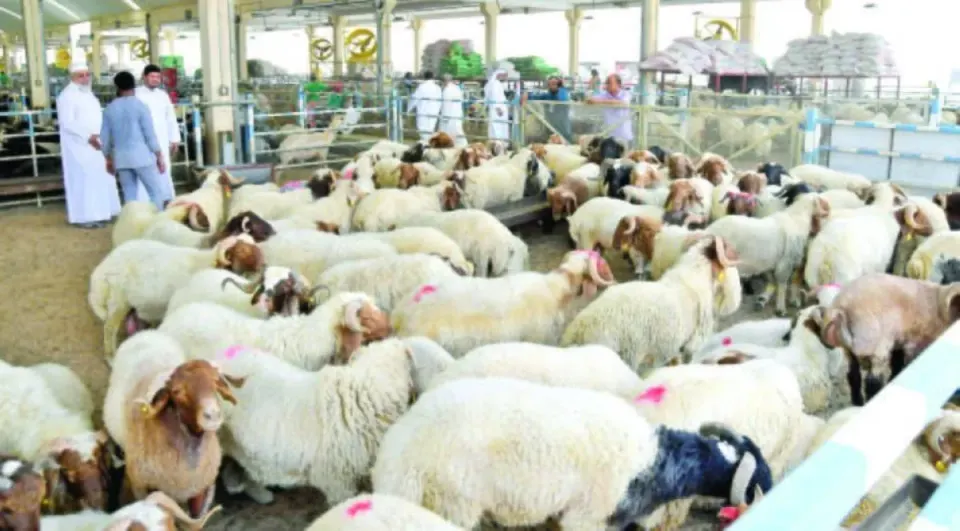
Qatar's new Law No. 12 of 2026 on Animal Health has received broad support from local livestock owners and breeders, who say it strengthens disease prevention, tightens import controls and reinforces food security for a sector that reached approximately 1.1 million head of livestock at end-2024.
An unprecedented drought in Austria has sharply reduced 2026 autumn crop yields, with potatoes down 50–70%, soybeans more than 50%, and grain maize nearly 30% versus the five-year average. The shortfalls are tightening feed ingredient and raw material availability for domestic processors and neighbouring EU markets, pushing up procurement costs for livestock producers and feed formulators.
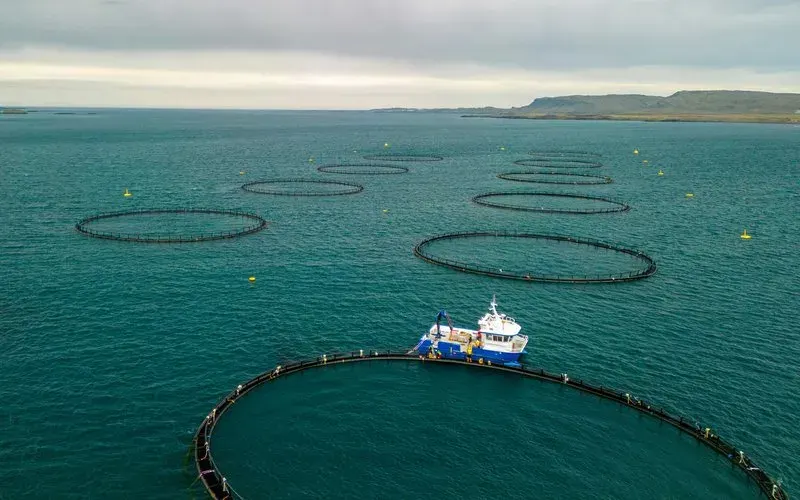
Japanese feed manufacturer Chubu Shiryo Co., Ltd. has announced plans to set up a wholly owned subsidiary in Haikou, Hainan, to manufacture and sell compound aquafeeds for the Chinese market. The new entity, Chubu Shiryo (Hainan) Co., Ltd., is expected to be established in October 2026 with registered capital of CNY 60 million.
The European Commission has formally authorised L-isoleucine produced by fermentation with the bacterial strain Corynebacterium glutamicum CCTCC M 2022764 as a zootechnical additive in animal feed for all species, under Implementation Regulation (EU) 2026/2087 dated 18 September 2026.
A new Portuguese initiative, the Food4Thought project, is working with secondary-school and university students to counter misinformation about farmed fish and insects as food sources, using a three-stage educational approach backed by scientific evidence.
The European Commission has formally authorised nutmeg essential oil (Myristica fragrans Houtt.) as a sensory additive in animal feed for all species under Implementing Regulation (EU) 2026/2076, adopted on 17 September 2026. Feed manufacturers across the EU may now incorporate the ingredient subject to the technical conditions and dosage requirements set out in the regulation.
Argentina's bumper 2025/26 corn harvest of roughly 71.7 million tonnes is driving record export volumes to North Africa, displacing Ukrainian and EU supplies constrained by Black Sea disruptions and drought. Morocco, Egypt, and Algeria have all sharply increased purchases from Argentina in the first seven months of 2026, while Brazil's expanding ethanol sector is further tightening global export availability.
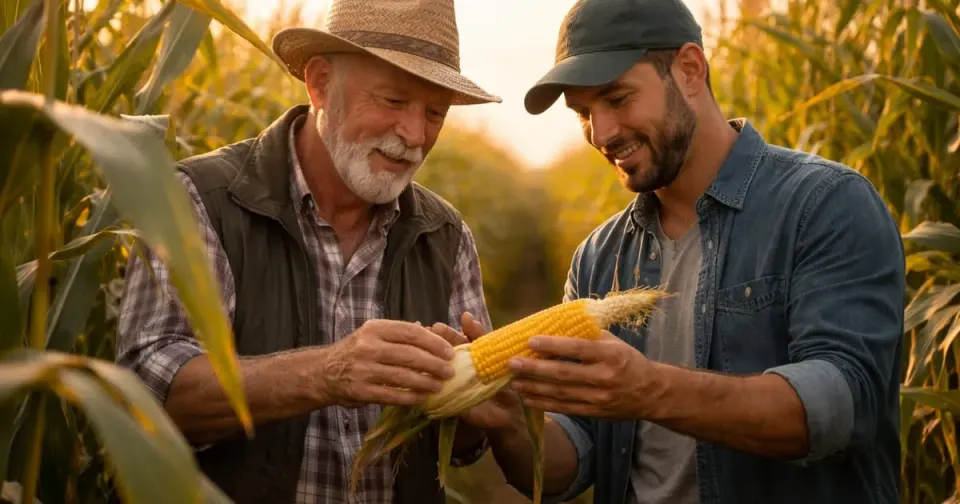
The U.S. Grains & BioProducts Council has released an evidence-based factsheet asserting that U.S. corn delivers higher yields, lower greenhouse gas emissions, faster processing times, and better feed conversion rates than corn from other major producing countries, with estimated financial benefits for wet millers and broiler producers.