Flour Mills of Nigeria Plc (FMN Group) has appointed Akbar Ali Shah as its new Managing Director. Shah brings over two decades of FMCG experience, including senior leadership at Reckitt's Sub-Saharan African business, and will oversee grain milling, food processing, and feed milling operations as the group continues to expand across Nigeria's food and agro-industrial value chains.
Chicago corn futures rose on 21 September 2026, driven by trader positioning ahead of US–China talks that could unlock new Chinese grain purchases and by persistent Black Sea supply uncertainties. Gains were broad-based but moderate, with the market still awaiting concrete outcomes from the summit.
Argentina's 2026/27 wheat output is forecast to fall sharply from the previous season's record, while war-related disruptions continue to constrain Black Sea exports. Together, the two developments are tightening global high-quality wheat availability and pushing Chicago futures to a multi-year high, raising import costs for buyers in North Africa, the Middle East and Asia.
German feed corn prices remain steady at 0.295 EUR/kg EXW Drentwede amid a drought-reduced domestic harvest, while Ukrainian export corn at Odesa has softened to 0.157–0.159 EUR/kg on CPT and FOB terms, widening the spread between the two origins and keeping EU feed buyers well supplied from Black Sea sources despite ongoing logistics risks.
Ongoing shipping disruptions in the Black Sea and Red Sea are compelling wheat importers across Asia, the Middle East, and North Africa to source from more expensive origins such as the United States, Baltic states, Romania, Argentina, India, and Australia. Higher war-risk insurance premiums and freight costs are keeping physical wheat prices structurally elevated even as futures benchmarks have eased slightly from late-August highs, according to CMB News.
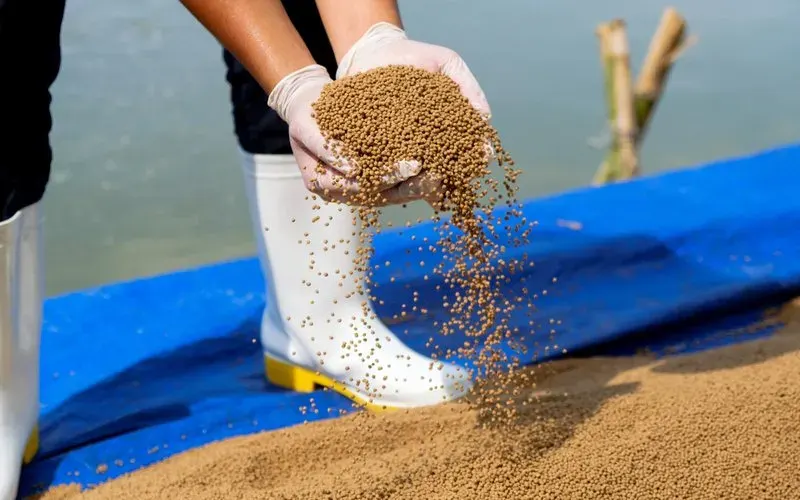
A European Commission study completed in June 2026 estimates that feed demand for ten key farmed species in the EU grew from under 900,000 tonnes in 2013 to almost 1.1 million tonnes in 2023. The report identifies plant ingredients as now comprising the majority of material demand, while highlighting cost, scalability and regulatory hurdles facing alternative proteins and oils.
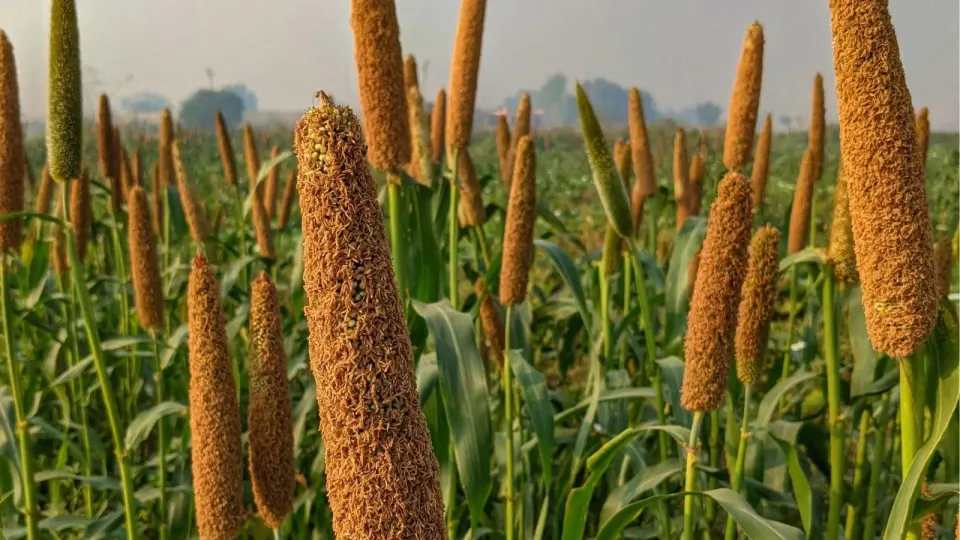
The Philippine Department of Agriculture is assessing millet as an alternative feed ingredient to corn, prompted by El Niño-related drought risks and a drive to lower livestock production costs, following Agriculture Secretary Francisco P. Tiu Laurel Jr.'s visit to India where the crop is widely used.
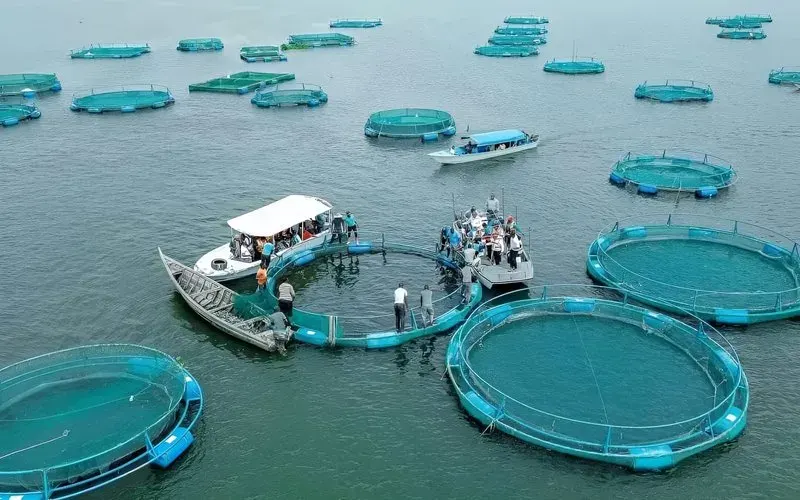
Tanzania's aquaculture output grew from 44,735 tonnes in 2020/21 to 234,525 tonnes in 2025/26, according to Ministry of Livestock and Fisheries data, as cage numbers, hatchery capacity and commercial feed use all expanded sharply. The country's director of aquaculture outlines priorities including feed manufacturing, cold-chain investment and sustainability governance ahead of the World Aquaculture Tanzania 2026 conference in Dar es Salaam.
A European Commission study completed in June 2026 estimates that feed demand for ten key farmed species in the EU grew from under 900,000 tonnes in 2013 to almost 1.1 million tonnes in 2023, while identifying plant ingredients, cost, regulation and supply-chain exposure as central challenges for the sector's future.
The South American rendering industry convened in Mendoza, Argentina, for the Reunion of the Americas (REAM) on 8–10 September 2026. Discussions centred on tightening fishmeal supply, surging export demand for Brazilian animal protein meals, shifting trade conditions for low-carbon feedstocks, and the growing interconnection of regional rendered-product markets.
IFF has introduced Omni-Bos™ PHY, a phytase enzyme developed specifically for dairy cattle, with initial commercial launches planned across the Middle East, Africa and Asia-Pacific. The product is designed to remain active in the abomasum and targets the longstanding limitation of conventional phytases in ruminant nutrition.
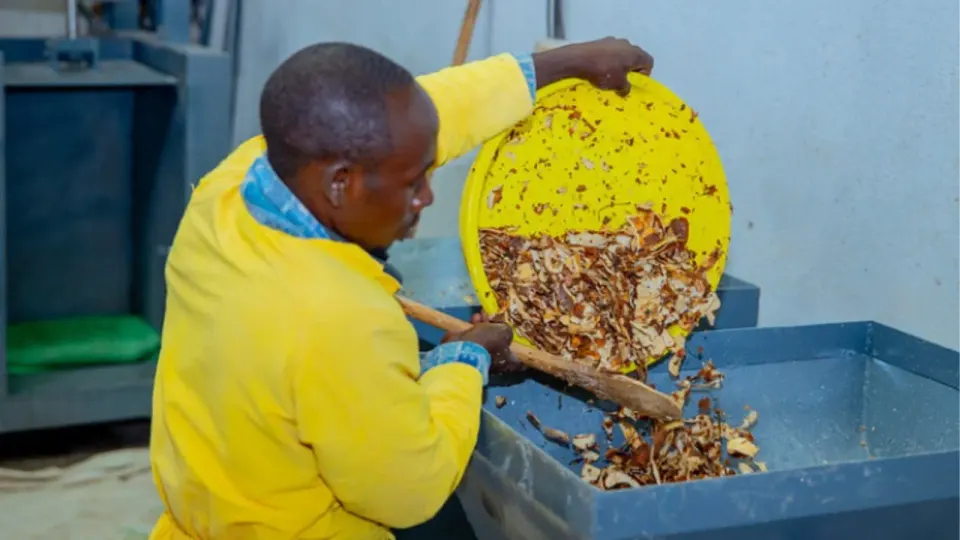
Rwanda-based Kabizu Business Group, with technical support from IITA Rwanda's RUNRES project, has developed a facility to process cassava peels into High-Quality Cassava Peels (HQCP), a locally produced animal feed ingredient aimed at reducing agricultural waste and the cost of conventional feed inputs.