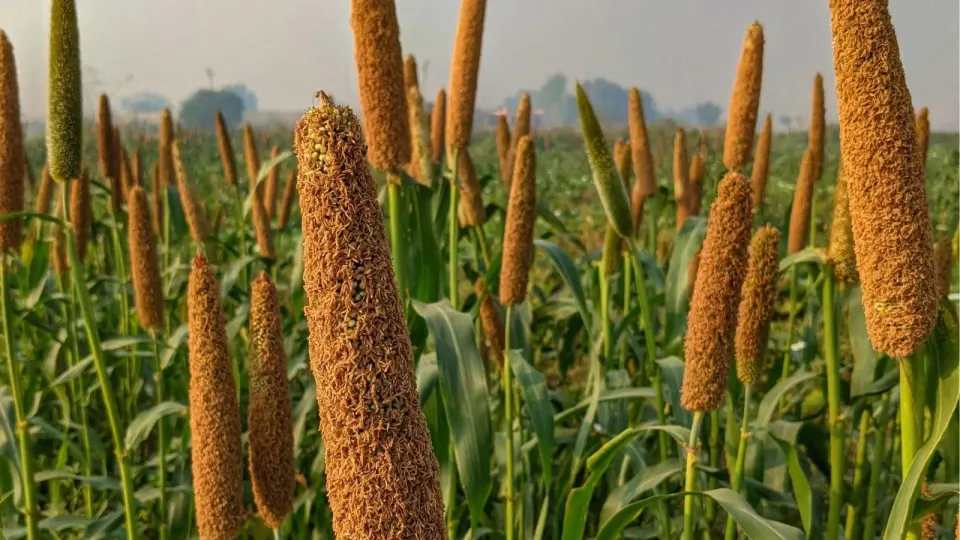
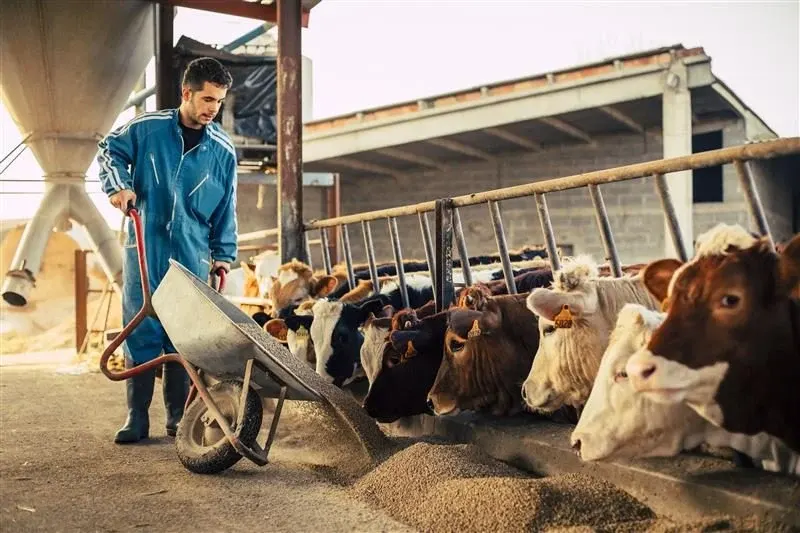
The Philippine Department of Agriculture is assessing millet as an alternative feed ingredient to corn, prompted by El Niño-related drought risks and a drive to lower livestock production costs, following Agriculture Secretary Francisco P. Tiu Laurel Jr.'s visit to India where the crop is widely used.
A European Commission study completed in June 2026 estimates that feed demand for ten key farmed species in the EU grew from under 900,000 tonnes in 2013 to almost 1.1 million tonnes in 2023, while identifying plant ingredients, cost, regulation and supply-chain exposure as central challenges for the sector's future.
The South American rendering industry convened in Mendoza, Argentina, for the Reunion of the Americas (REAM) on 8–10 September 2026. Discussions centred on tightening fishmeal supply, surging export demand for Brazilian animal protein meals, shifting trade conditions for low-carbon feedstocks, and the growing interconnection of regional rendered-product markets.
Grain futures rose overnight on 21 September 2026 as China's state-owned firms purchased at least 260,000 tonnes of U.S. soybeans days before a presidential summit in Washington, while U.S. and Chinese officials began preparatory trade talks in New York. Soybean meal, corn and wheat futures all gained, though progress on China's broader $17 billion annual farm-goods commitment remains limited.
Palm oil prices face near-term downward pressure after Malaysia reported higher August inventories and weaker exports, while speculation mounts that India could reduce import duties on edible oils, adding further headwinds to global palm prices.
The European Commission has published Commission Implementing Regulation (EU) 2026/2084, adopted on 18 September 2026 and published on 21 September 2026, renewing the authorisation of three forms of vitamin E as additives in animal feed for all species across the EU. The regulation replaces Regulation (EU) 2015/1152 and requires feed manufacturers, distributors and farmers to update their technical documentation and compliance references.
Global sunflower seed output is projected to reach around 62.3 million tonnes in 2026/27, reinforcing an oilseed surplus, while Chinese confection and bakery-grade kernels command firm premiums. Black Sea logistics disruptions and export taxes continue to add volatility to trade flows, with China's role as an alternative supplier seen as a potential source of growing pricing power.
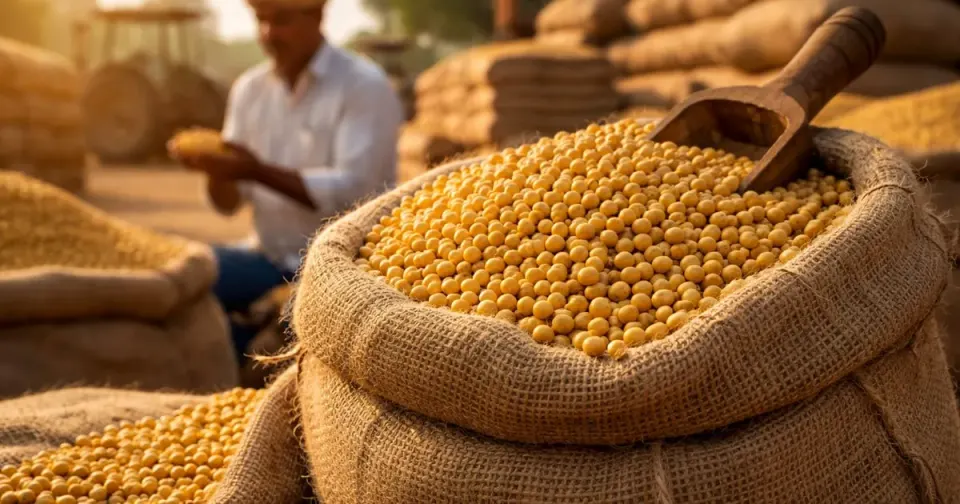
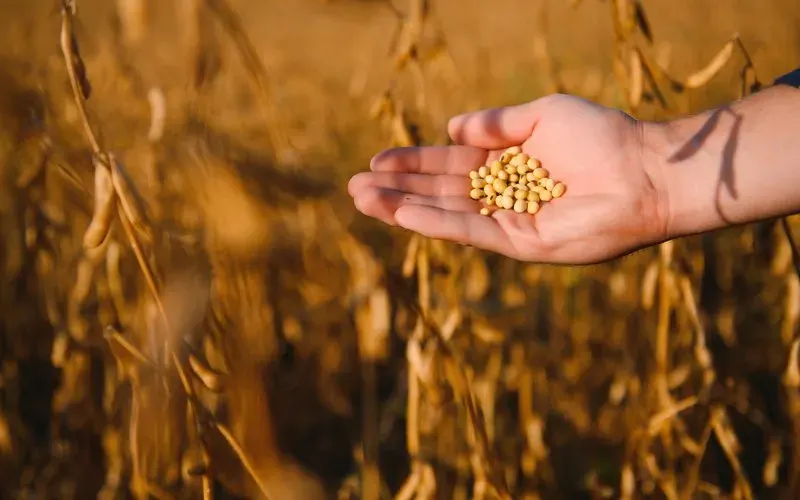
Indian soybean prices are consolidating at elevated levels in September 2026, supported by weaker domestic crop output, patchy monsoon conditions in key growing states, and trade estimates pointing to record imports approaching 1 million tonnes for the current oil year. FOB New Delhi prices for sortex-clean soybeans remain stable at 0.87 EUR/kg, well above global benchmarks, while mandi prices fluctuate around the mid-₹6,000/quintal range.
Argentina's bumper 2025/26 corn harvest of roughly 71.7 million tonnes is driving record export volumes to North Africa, displacing Ukrainian and EU supplies constrained by Black Sea disruptions and drought. Morocco, Egypt, and Algeria have all sharply increased purchases from Argentina in the first seven months of 2026, while Brazil's expanding ethanol sector is further tightening global export availability.
Cumulative global fishmeal production fell 49% year-on-year in the first seven months of 2026, with fish oil output down 30%, driven by shortfalls in South America and weaker catches in Africa and Northern Europe. IFFO says Asian producers may partially offset the decline in Q4, but demand headwinds in China's aquaculture and pig sectors are weighing on recovery prospects.
CBOT soybean futures fell for the week ending 18 September 2026, weighed down by the onset of U.S. harvest and softness in vegetable oil markets, while firm soymeal prices, robust Chinese export demand, and harvest-delaying Midwest rains capped the downside. Regional FOB prices showed a mixed picture, with Ukrainian standard soybeans easing and GMO-free values edging higher.
The European Feed Manufacturers' Federation (FEFAC) has published its fourth impact assessment warning that converging pressures from drought, Black Sea trade disruption, and EU Deforestation Regulation (EUDR) sourcing constraints could create a soybean meal supply gap of at least 5 million tonnes in the 2026/2027 marketing year, with total estimated costs to the EU feed and livestock sector reaching around €1.40 billion.