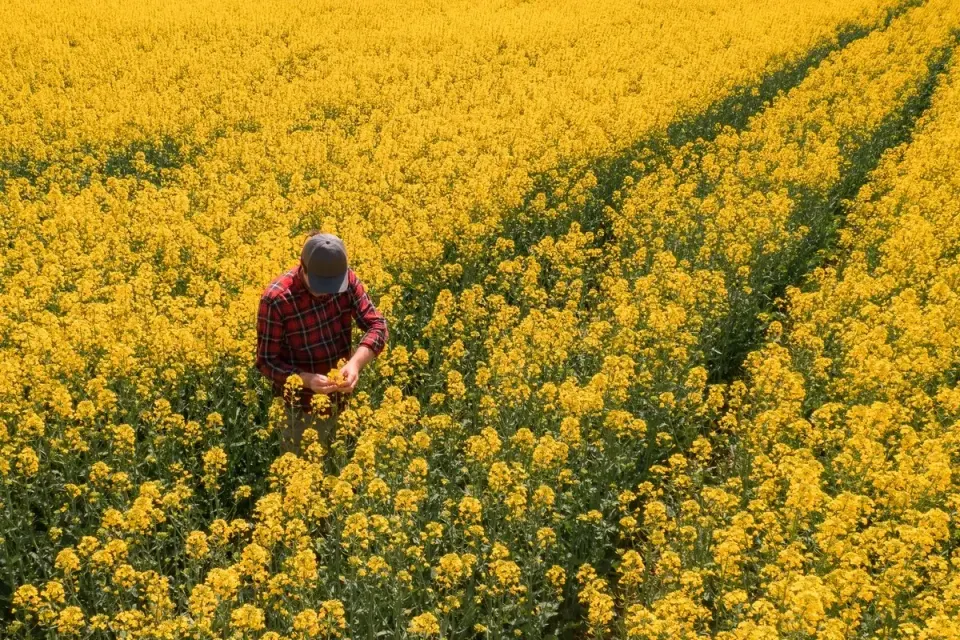
Wageningen University & Research has launched the six-year VASCO project with almost €4 million in funding to convert protein-rich agricultural side streams — including rapeseed cake, potato waste and rejected legumes — currently used as animal feed or for biofuel into ingredients for human consumption. Fermentation and enzyme-assisted protein extraction are the two core processing routes.
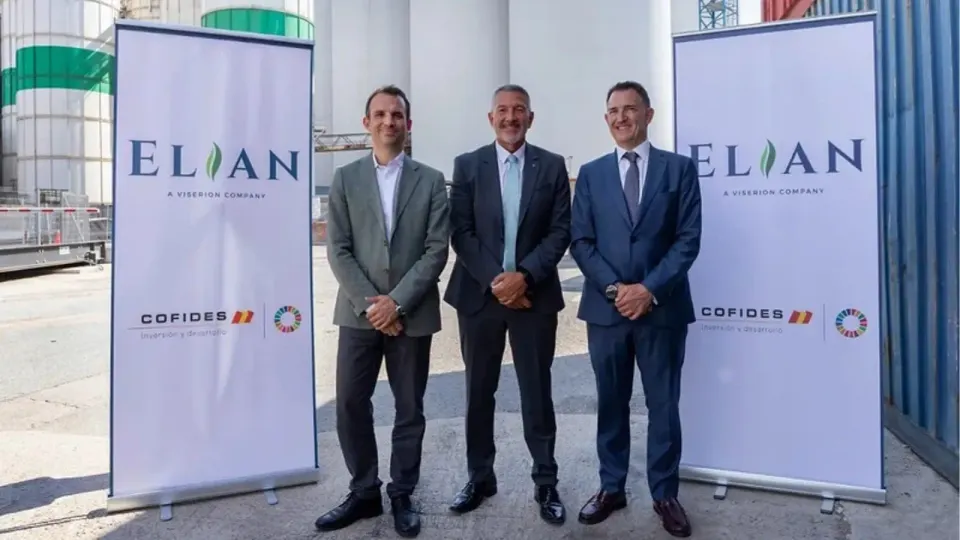
Spanish plant-based protein producer Elian has received a €40 million (US$45.66 million) minority equity investment from Spain's COFIDES to expand its integrated soybean processing facility at the Port of Barcelona, which is expected to add more than 100,000 tonnes of annual protein ingredient capacity for animal feed and food by early 2028.
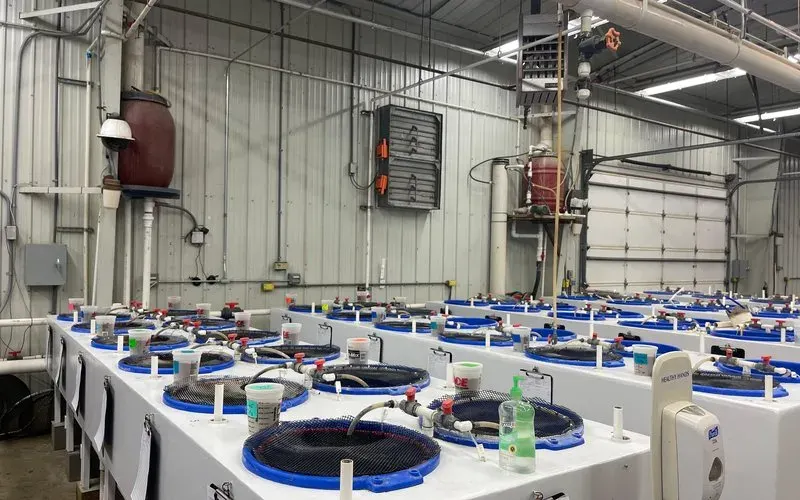
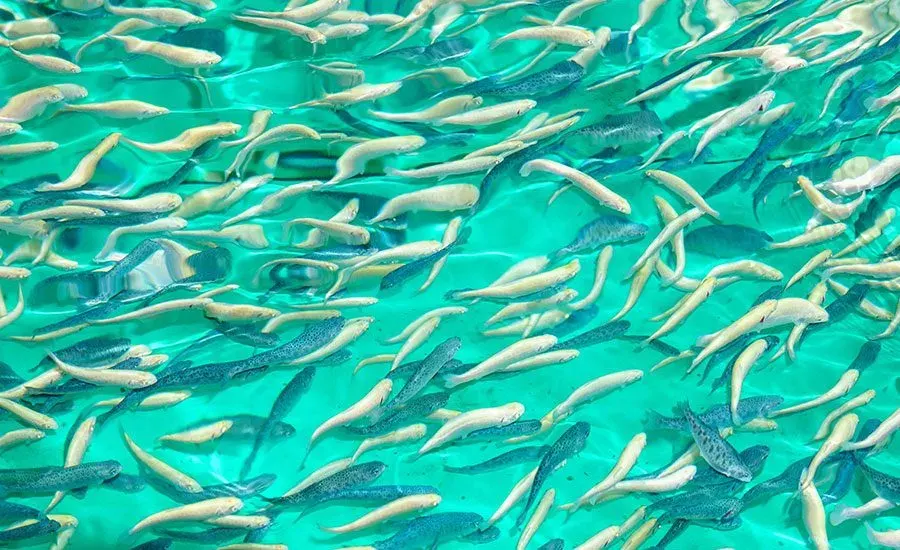
A multi-institution US study published in Aquaculture finds that adding 5% dried fish solubles to high-soybean meal diets significantly improved growth and selected fillet-quality traits in rainbow trout, with the effect driven primarily by increased voluntary feed intake rather than improved feed conversion.
ADM plans to enter the voluntary carbon removal market using credits from its corn processing complex in Columbus, Nebraska, which captures more than 800,000 tonnes of biogenic CO₂ per year. The credits will be certified by Puro.earth and are expected to be among the largest offerings of their kind, with initial issuance targeted by end of 2026.
A European Commission study completed in June 2026 estimates that feed demand for ten key farmed species in the EU grew from under 900,000 tonnes in 2013 to almost 1.1 million tonnes in 2023. The report identifies plant ingredients as now comprising the majority of material demand, while highlighting cost, scalability and regulatory hurdles facing alternative proteins and oils.
EnviroZyme has introduced MultiBio Edge, a multi-strain prebiotic, probiotic, and postbiotic feed additive for shrimp and finfish aquaculture. Company testing indicates the product inhibits Vibrio colonisation on feed surfaces, reduces cytotoxicity caused by Vibrio parahaemolyticus, and alters the shrimp gut microbiome composition.
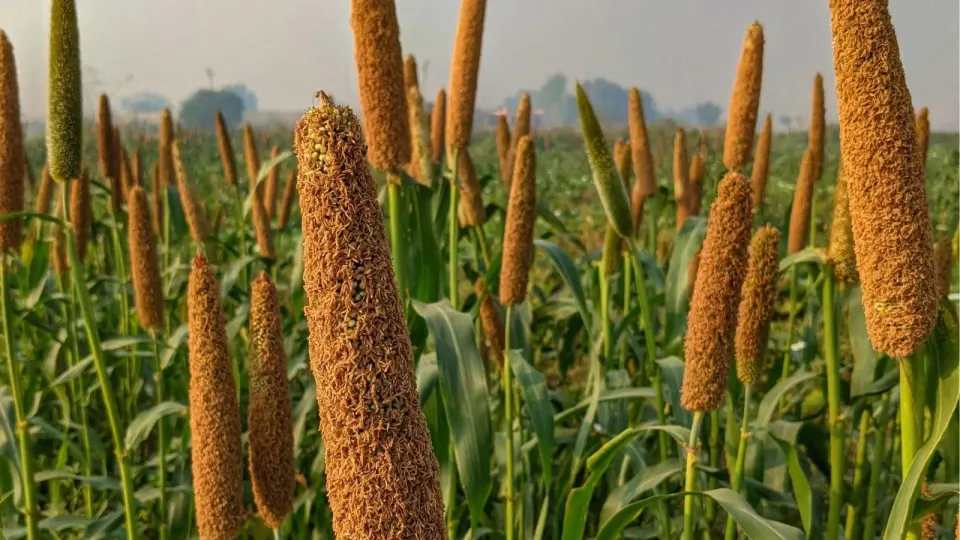
The Philippine Department of Agriculture is assessing millet as an alternative feed ingredient to corn, prompted by El Niño-related drought risks and a drive to lower livestock production costs, following Agriculture Secretary Francisco P. Tiu Laurel Jr.'s visit to India where the crop is widely used.
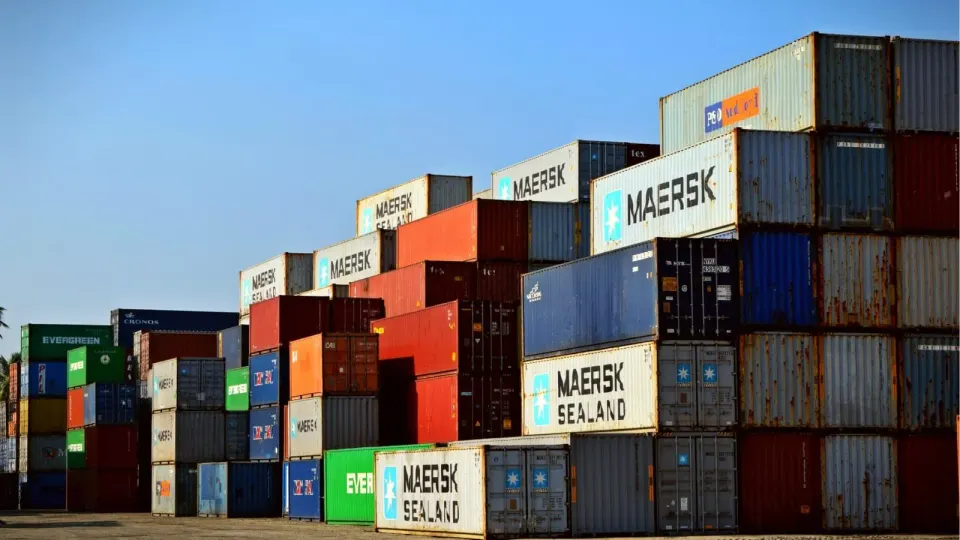
The U.S. International Development Finance Corporation has approved a US$500 million counter-guarantee facility for the IFC's Global Trade Finance Program, which could support up to US$20 billion in U.S. exports to emerging markets and ease African banks' ability to finance purchases of U.S. agricultural commodities, including grains, soybeans and animal feed.
The South American rendering industry convened in Mendoza, Argentina, for the Reunion of the Americas (REAM) on 8–10 September 2026. Discussions centred on tightening fishmeal supply, surging export demand for Brazilian animal protein meals, shifting trade conditions for low-carbon feedstocks, and the growing interconnection of regional rendered-product markets.
A report by the UK-based Changing Markets Foundation, prepared with researchers from the University of British Columbia, warns that up to 46% of the world's wild fish catch could be redirected to aquaculture feed by 2040 if farming of predatory species such as salmon and shrimp continues to expand. The findings were released in Rome ahead of a meeting of the FAO Committee on Fisheries. The FAO has pushed back on some of the study's framing, clarifying its actual 2030 growth targets and questioning whether marine ingredient volumes would necessarily rise.
An unprecedented drought in Austria has sharply reduced 2026 autumn crop yields, with potatoes down 50–70%, soybeans more than 50%, and grain maize nearly 30% versus the five-year average. The shortfalls are tightening feed ingredient and raw material availability for domestic processors and neighbouring EU markets, pushing up procurement costs for livestock producers and feed formulators.
Ukraine's Cabinet of Ministers has approved three new unified import document forms covering live animals, animal products, and non-animal feed, replacing a 2018 regulation and aligning border control procedures with European Union standards under the IMSOC framework.