Kansas State University has officially opened the Western Star Global Grain and Food Center, a US$130 million, 178,000-square-foot facility that consolidates grain, milling, feed, pet food and food science programmes under one roof. The centre, the largest agricultural construction project in K-State's history, opened on 18 September 2026 and forms part of the university's broader US$216 million Agriculture Innovation Initiative.
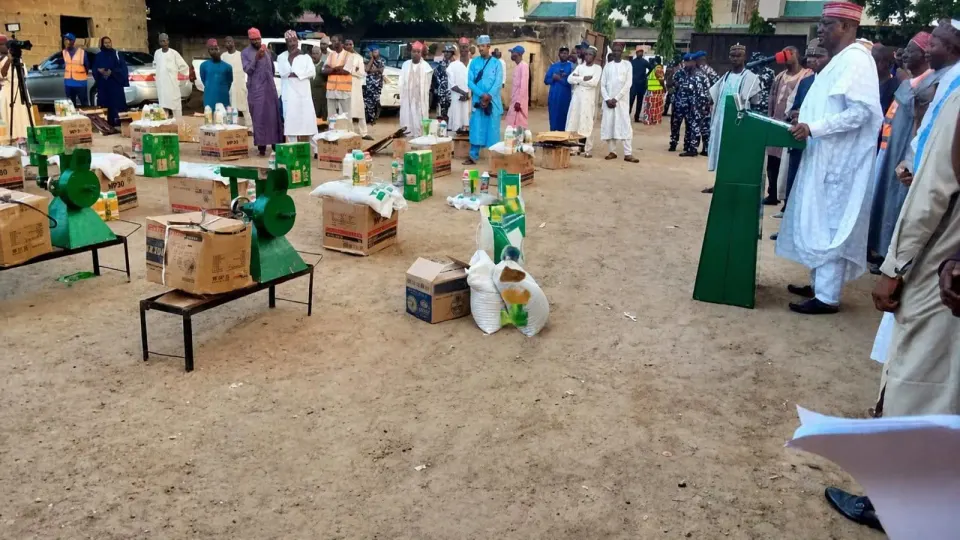
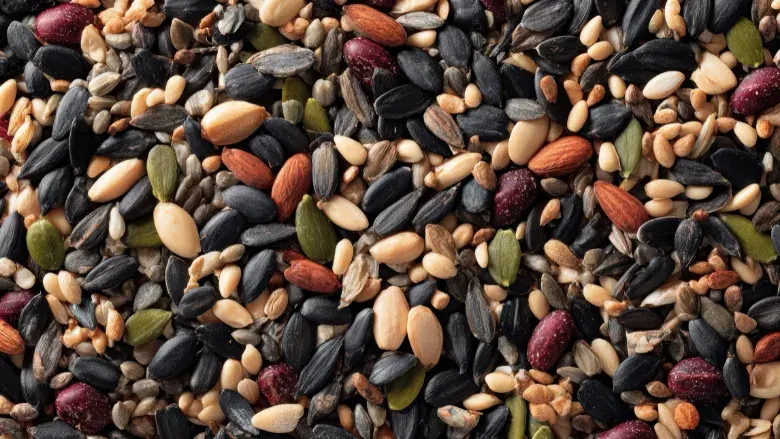
The World Bank-supported Livestock Productivity and Resilience Support Project (L-PRESS) has distributed feed-processing equipment and improved pasture seeds to more than 40 livestock unions and several farmer clusters in Zamfara State, Nigeria, aiming to improve feed access and boost livestock productivity.
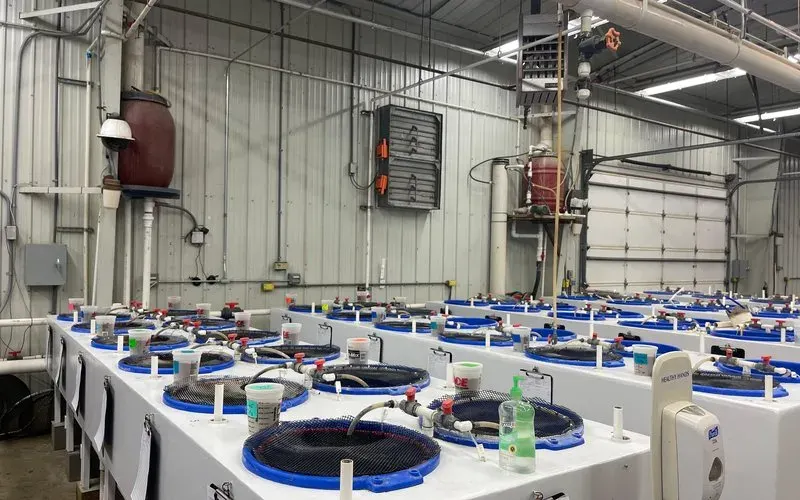
A multi-institution US study published in Aquaculture finds that adding 5% dried fish solubles to high-soybean meal diets significantly improved growth and selected fillet-quality traits in rainbow trout, with the effect driven primarily by increased voluntary feed intake rather than improved feed conversion.
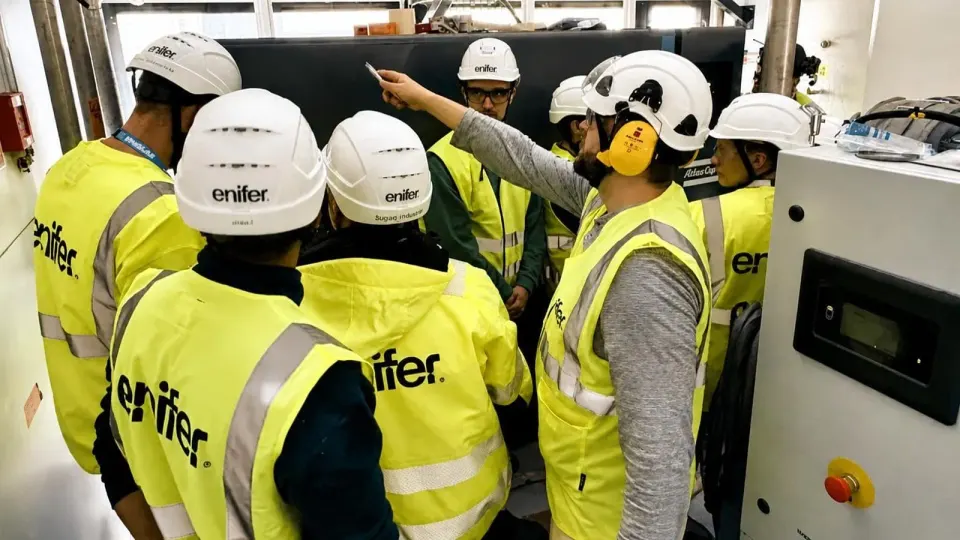
Finnish biotechnology company Enifer has started commissioning its first industrial-scale PEKILO® mycoprotein facility in Kantvik, Finland, with a planned output of 500 kg of dry mycoprotein per hour. The plant, funded partly through the EU's NextGenerationEU programme, aims to strengthen Finland's domestic protein supply for animal feed as the country's self-sufficiency in supplementary plant-based protein stands at only around 15%.
A European Commission study completed in June 2026 estimates that feed demand for ten key farmed species in the EU grew from under 900,000 tonnes in 2013 to almost 1.1 million tonnes in 2023, while identifying plant ingredients, cost, regulation and supply-chain exposure as central challenges for the sector's future.
A report by the UK-based Changing Markets Foundation, prepared with researchers from the University of British Columbia, warns that up to 46% of the world's wild fish catch could be redirected to aquaculture feed by 2040 if farming of predatory species such as salmon and shrimp continues to expand. The findings were released in Rome ahead of a meeting of the FAO Committee on Fisheries. The FAO has pushed back on some of the study's framing, clarifying its actual 2030 growth targets and questioning whether marine ingredient volumes would necessarily rise.
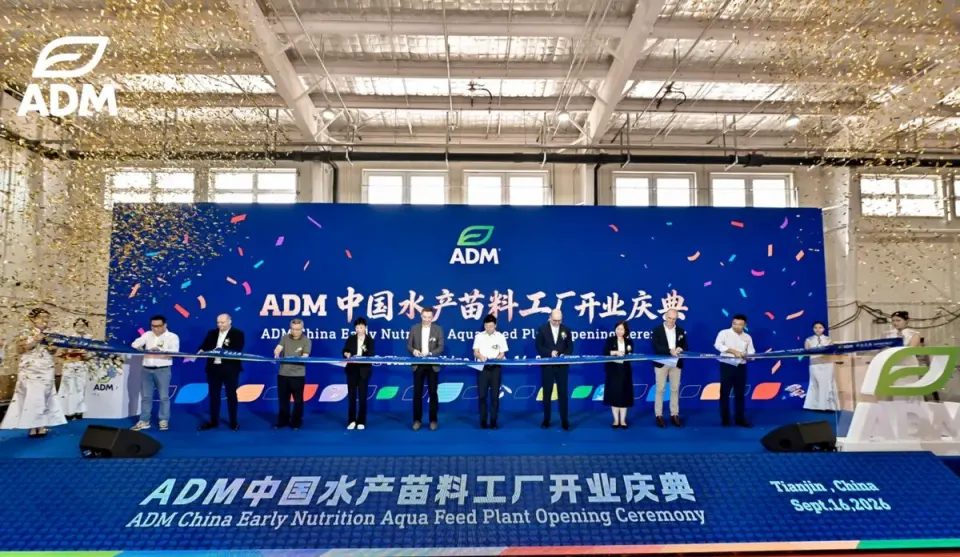
ADM has inaugurated a new early-nutrition aquafeed facility in Tianjin, China — its second globally dedicated to hatchery and nursery feeds after its long-established Belgium plant. With an annual design capacity of approximately 5,000 tons, the site will serve customers in China and across the Asia-Pacific region, targeting fish and shrimp during early growth stages.
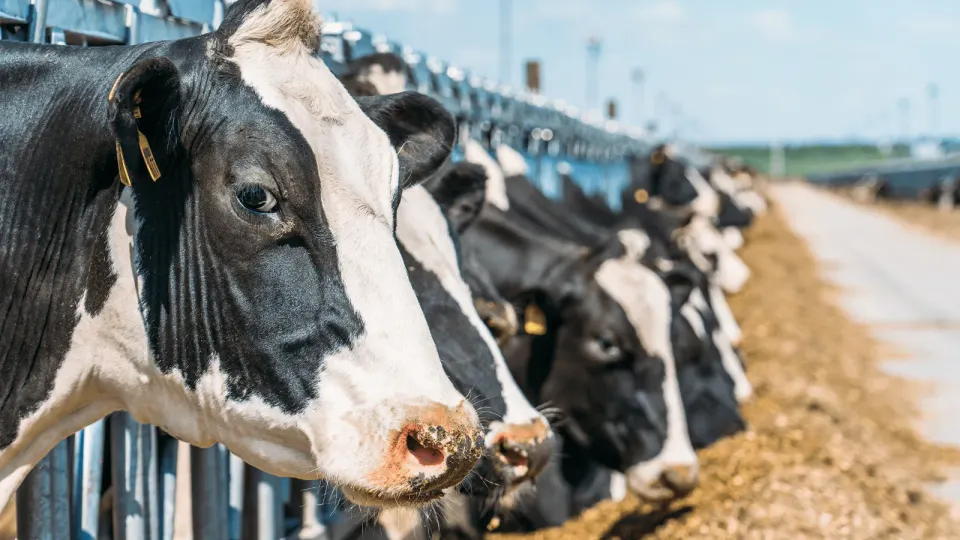
IFF has introduced Omni-Bos™ PHY, a phytase enzyme developed specifically for dairy cattle, with initial commercial launches planned across the Middle East, Africa and Asia-Pacific. The product is designed to remain active in the abomasum and targets the longstanding limitation of conventional phytases in ruminant nutrition.
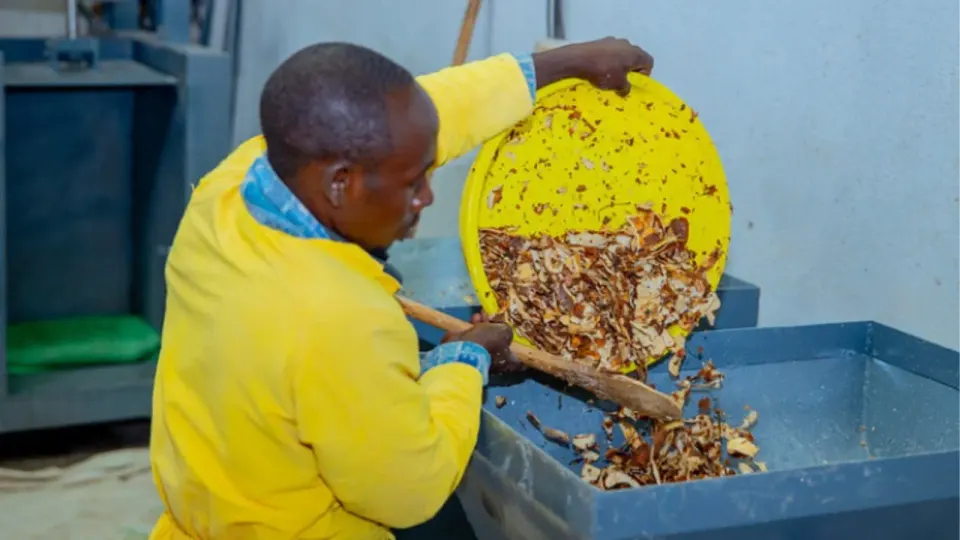
Rwanda-based Kabizu Business Group, with technical support from IITA Rwanda's RUNRES project, has developed a facility to process cassava peels into High-Quality Cassava Peels (HQCP), a locally produced animal feed ingredient aimed at reducing agricultural waste and the cost of conventional feed inputs.
Chinese oilseed processing equipment maker Scikoon has finished fabrication and successfully completed trial-run testing of a 5,000-tonne-per-day Double Deck Cracker and Flaking Mill, declaring the unit ready for delivery to large-scale oil processing projects.
A new analysis of EU RASFF data covering 2020–2024 finds that aflatoxins accounted for 84 percent of mycotoxin-related food and feed notifications, with products originating outside the EU implicated in 90 percent of cases. Researchers from the University of Córdoba and CSIC found no statistically significant long-term upward trend in notifications despite a record 663 in 2024.
A new Portuguese initiative, the Food4Thought project, is working with secondary-school and university students to counter misinformation about farmed fish and insects as food sources, using a three-stage educational approach backed by scientific evidence.