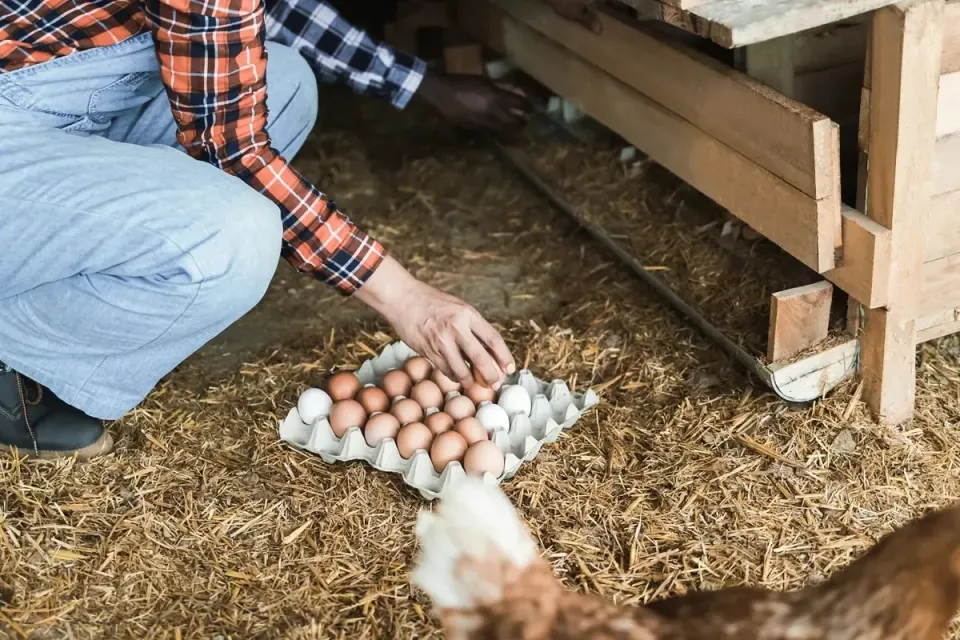
The European Food Safety Authority (EFSA) and the European Commission have renewed their joint #NoBirdFlu campaign ahead of the autumn migration season, urging farm-level biosecurity improvements to reduce avian influenza risks. Nearly 8,000 outbreaks were detected in Europe between October 2025 and June 2026, with supply chain disruption a growing concern for feed and food manufacturers relying on egg-derived ingredients.
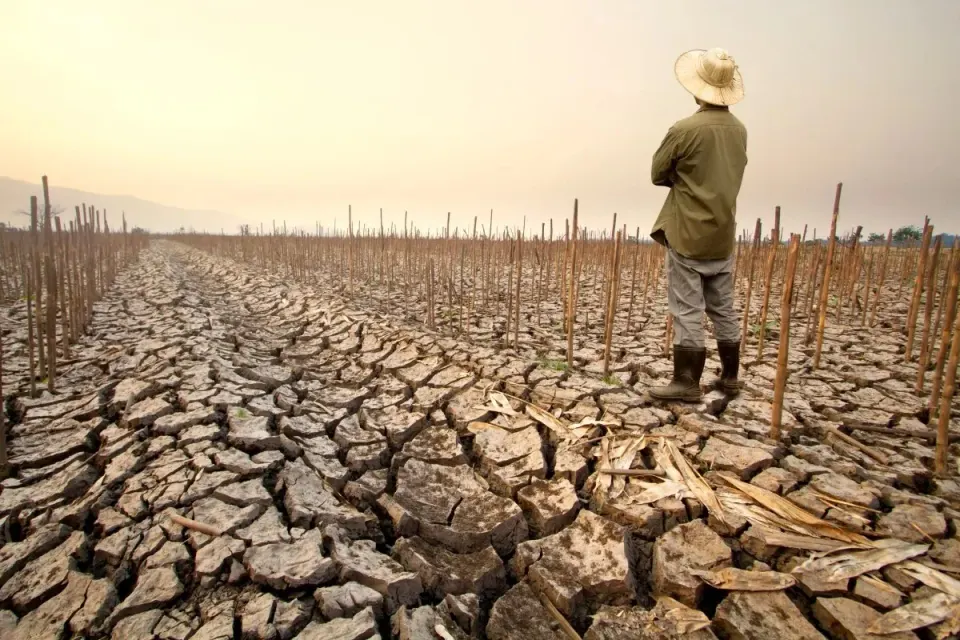
A strengthening El Niño event, combined with fertilizer shortages, geopolitical tensions, and elevated energy costs, could push global food and feed commodity prices up by 14–16%, according to procurement consultancy Beroe. Key feed ingredients including corn, vegetable oils, and sugar face varying levels of supply and price risk, with the full market impact potentially not materialising until 2028.
German animal nutrition company Biochem has completed the acquisition of a 7,000-square-metre property adjacent to its Lohne headquarters, including an existing 1,350-square-metre warehouse, as part of a long-term site development strategy for its feed additives and dietary supplements business.
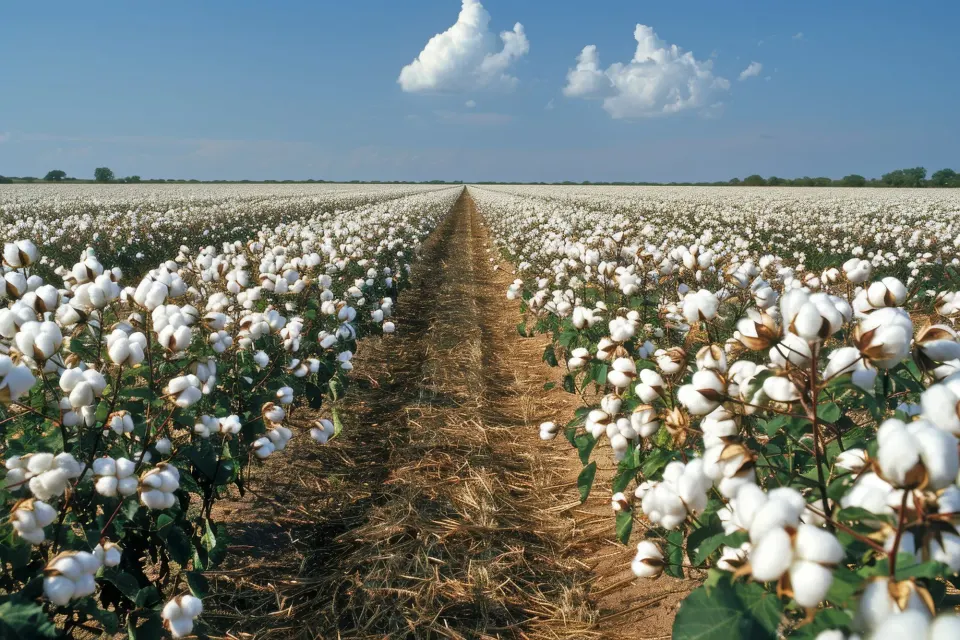
A stronger US dollar, rising exchange stocks, and weather-driven supply concerns across key producing regions pushed soft commodity futures lower on 23 September 2026, according to ADM Investor Services (ADMIS). Cotton, coffee, and cocoa all faced headwinds, while sugar held gains amid broad output concerns linked to El Niño and ethanol demand in Brazil.
A series of typhoons in the Philippines has reduced July–September 2026 corn production by an estimated 14.4%, tightening regional feed grain availability and pushing up input cost risk for Southeast Asian feed manufacturers. CBOT December 2026 corn futures are trading around 529 USc/bu, while buyers consider alternative grains including millet.
Ukraine's Cabinet of Ministers Resolution No. 675 introduces mandatory producer-register verification for rapeseed exporters from 1 July 2026 and soybean exporters from 1 September 2026, replacing chamber-of-commerce certificates as the basis for export-duty exemptions. The change raises working-capital and administrative costs for traders and is already contributing to a modest convergence of Ukrainian rapeseed prices toward EU benchmarks.
Argentina's 2026/27 wheat output is forecast to fall sharply from the previous season's record, while war-related disruptions continue to constrain Black Sea exports. Together, the two developments are tightening global high-quality wheat availability and pushing Chicago futures to a multi-year high, raising import costs for buyers in North Africa, the Middle East and Asia.
Chicago December wheat futures settled lower on September 21, 2026, but a combination of solid US export sales and persistent Black Sea supply disruption risks is preventing a deeper price correction, according to CMB News.
International corn markets are navigating a tug-of-war between a projected record 66 million tonne Argentine maize harvest for 2026/27 and near-term European Union supply tightness driven by Ukrainian logistics bottlenecks. CBOT futures softened on profit-taking ahead of a U.S.–China summit, while Euronext corn held firm on constrained Black Sea inflows and elevated EU import demand.
Ongoing shipping disruptions in the Black Sea and Red Sea are compelling wheat importers across Asia, the Middle East, and North Africa to source from more expensive origins such as the United States, Baltic states, Romania, Argentina, India, and Australia. Higher war-risk insurance premiums and freight costs are keeping physical wheat prices structurally elevated even as futures benchmarks have eased slightly from late-August highs, according to CMB News.
South African SAFEX sunflower seed futures softened in late September 2026 as seasonal harvest pressure weighs on local prices, while Black Sea seed and crude oil values remain underpinned by ongoing Ukrainian port disruptions and a tightening global vegetable oil balance, according to CMB News.
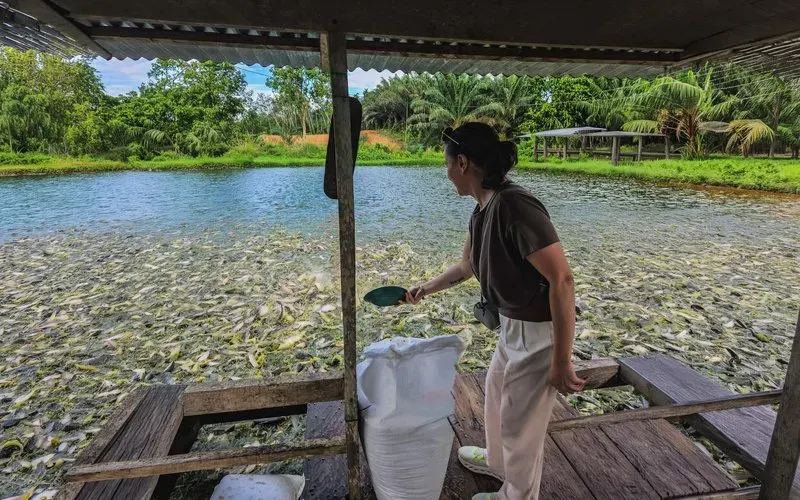
The Philippines is exploring a more diversified aquafeed ingredient base as El Niño, global supply disruptions, and import dependence increase pressure on conventional feed sources, according to Ateneo de Manila University associate professor Janice A. Ragaza.