Loading…
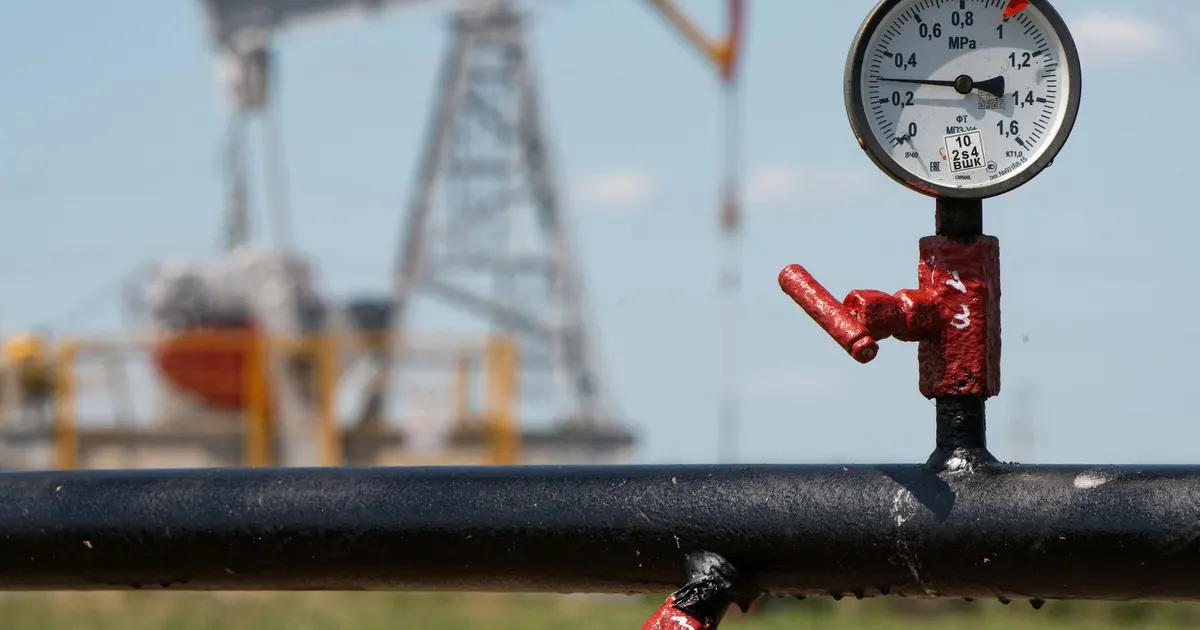
US crude futures jumped about 12% a barrel after the Strait of Hormuz was effectively closed for seven days. Roughly 140 million barrels of oil that normally transit the waterway each day have been disrupted.
Loss of Hormuz flows removes about a fifth of world oil supply, pushing crude and energy-linked input costs sharply higher. Higher diesel and fertilizer costs and freight rates raise the cost of feed production and shift demand toward substitutes.
 reuters.comErwin SebaMar 6, 2026
After 626 past bullish geopolitics events, Crude Oil (WTI) moved a median +2.1% over 5 sessions (62% higher; middle half -2.3% to +8.5%), and +1.6% over 20.
After 656 past bullish geopolitics events, Crude Oil (Brent) moved a median +1.9% over 5 sessions (63% higher; middle half -2.7% to +6.6%), and +0.7% over 20.
After 250 past bullish geopolitics events, ULSD / Diesel moved a median +1.7% over 5 sessions (58% higher; middle half -3.6% to +8.7%), and +0.9% over 20.
After 136 past bullish geopolitics events, Natural Gas moved a median +2.7% over 5 sessions (63% higher; middle half -1.8% to +8.8%), and +4.0% over 20.
Moves of each commodity's benchmark from the last close before the event. Historical reads pool past events of the same kind; they describe what happened, not what will. Not investment advice.
Dated March 6, it reports a roughly 12% jump in US crude futures after Hormuz was effectively closed for seven days, a direct supply shock that Brent shared.
Effective seven-day Hormuz closure disrupting huge oil volumes pushed crude futures sharply higher on March 6.
WTI surged about 12% in a day after Hormuz was effectively closed for a week, disrupting large crude flows.
Effective Hormuz closure for seven days disrupted flows and lifted crude futures sharply.
