Loading…
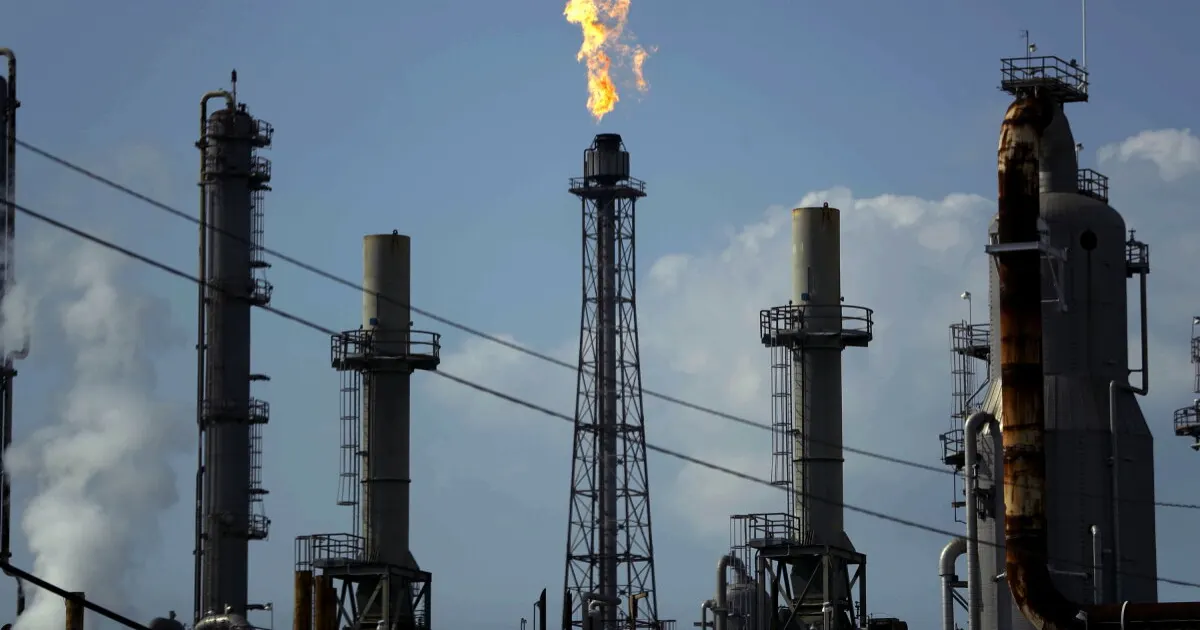
Oil markets melted down as coronavirus outbreaks cut travel and transport, sharply reducing fuel demand; Brent had fallen from $69 at the start of the year to about $50. OPEC and non-member countries then failed to agree on a proposed production cut of 1.5 million barrels a day.
Combined demand destruction and a failed supply cut point to a glut, keeping crude and related energy prices under downward pressure and weighing on biofuel-linked feed inputs.
 apnews.comDAVID McHUGHMar 9, 2020
After 250 past bearish geopolitics events, Crude Oil (Brent) moved a median -3.1% over 5 sessions (36% higher; middle half -7.9% to +1.6%), and -5.5% over 20.
After 255 past bearish geopolitics events, Crude Oil (WTI) moved a median -2.4% over 5 sessions (31% higher; middle half -7.0% to +1.7%), and -5.0% over 20.
After 28 past bearish geopolitics events, Soybean Oil moved a median -2.7% over 5 sessions (21% higher; middle half -8.3% to -0.7%), and -2.1% over 20.
Moves of each commodity's benchmark from the last close before the event. Historical reads pool past events of the same kind; they describe what happened, not what will. Not investment advice.
It explains the two-sided shock: coronavirus travel curbs cut fuel demand while OPEC+ failed to agree on a 1.5 mb/d cut.
Explains the demand-side coronavirus shock and the failed OPEC+ agreement on a 1.5 mb/d cut as the combined backdrop for the meltdown.
