Loading…
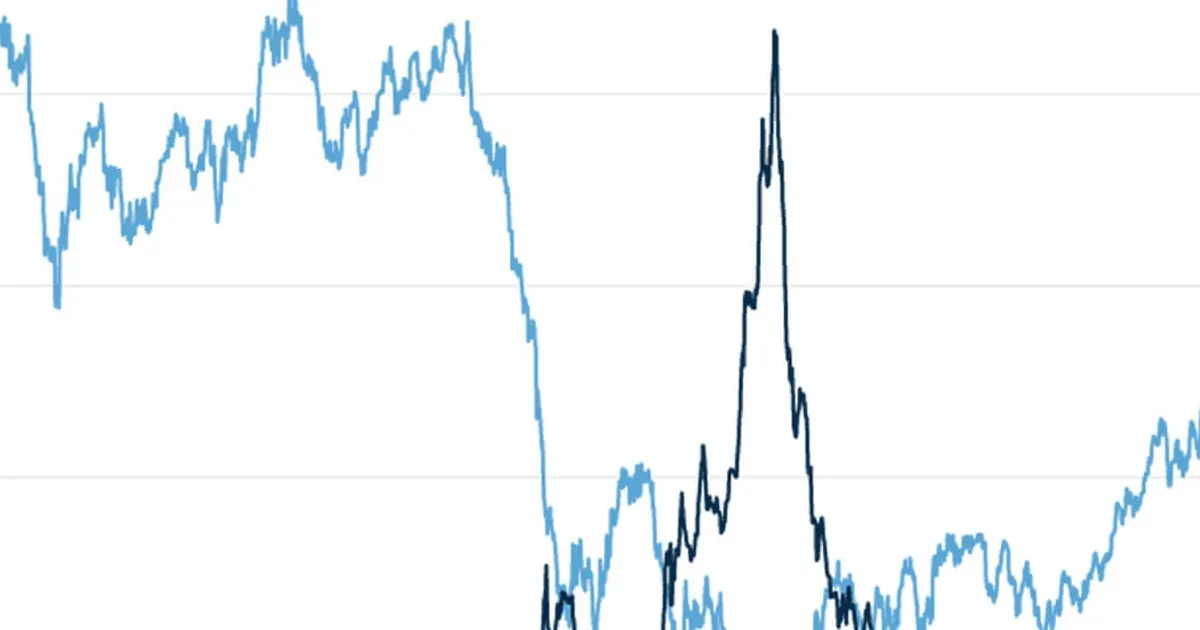
Oil prices fell more than 21% on March 9, 2020, the largest one-day drop since the Gulf War, after Russia refused OPEC supply cuts and Saudi Arabia announced a large output increase. The resulting price war hurt US shale producers, and high-yield credit spreads widened toward 2016 levels.
The price war removes the OPEC floor under crude and threatens US shale output, which lowers energy costs for feed buyers but raises financial stress across energy-linked sectors.
 commonfund.orgAuthor Commonfund PostsMar 16, 2020
After 255 past bearish geopolitics events, Crude Oil (WTI) moved a median -2.4% over 5 sessions (31% higher; middle half -7.0% to +1.7%), and -5.0% over 20.
After 250 past bearish geopolitics events, Crude Oil (Brent) moved a median -3.1% over 5 sessions (36% higher; middle half -7.9% to +1.6%), and -5.5% over 20.
Moves of each commodity's benchmark from the last close before the event. Historical reads pool past events of the same kind; they describe what happened, not what will. Not investment advice.
Describes the March 9 price-war crash that set up the lower starting level for the later slide.
