US soymeal, corn, soybeans and winter wheat all fell during the week ending October 3, 2026, as harvest pressure, larger corn inventories and improved soymeal availability outweighed supply concerns, according to CommodityScope's weekly physical markets report.
Soybean futures edged higher on both the Chicago Board of Trade and China's Dalian Commodity Exchange on 30 September 2026, while physical premiums moved in opposite directions across origins. Ukrainian GMO-free and Chinese yellow soybeans strengthened, whereas U.S. No. 2 and conventional Ukrainian FOB values eased. Weather uncertainty in Brazil and Argentina for early October continues to underpin a mild risk premium in new-crop prices.
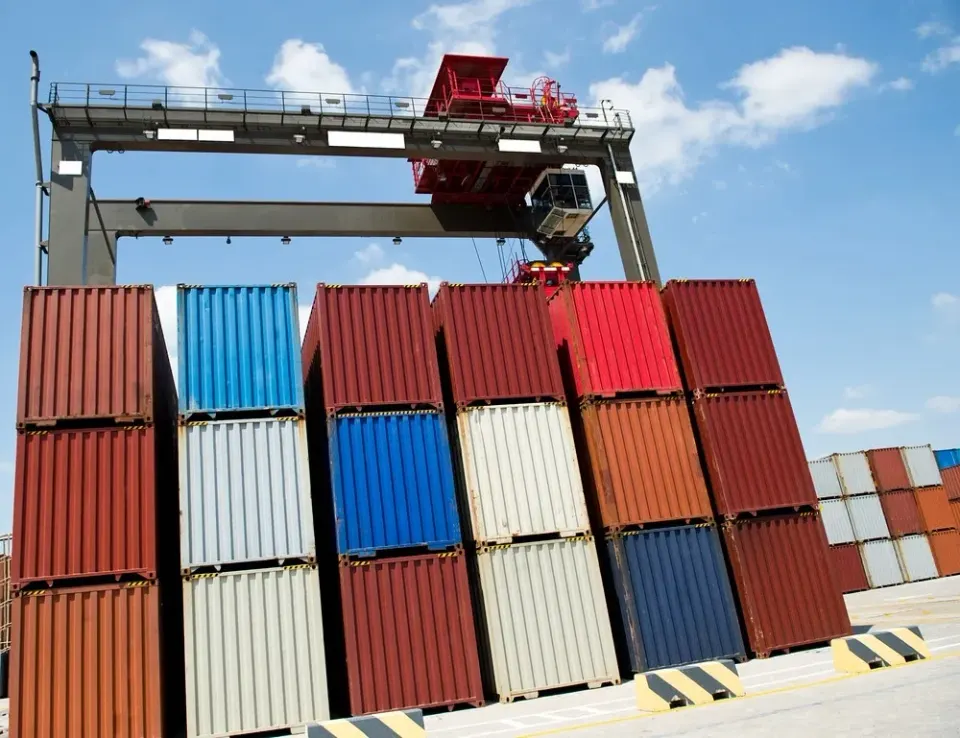
Persistent port congestion, container imbalances and route disruptions are keeping ocean freight costs elevated for agricultural shippers even as some trade lanes through the Red Sea and Suez Canal show signs of partial normalization, according to CMB News.
Soybean futures and products on the Chicago Board of Trade are undergoing modest profit-taking after a strong late-summer rally, with US September 1 inventories running about 3% below last year and Chinese demand continuing to underpin prices across the complex.
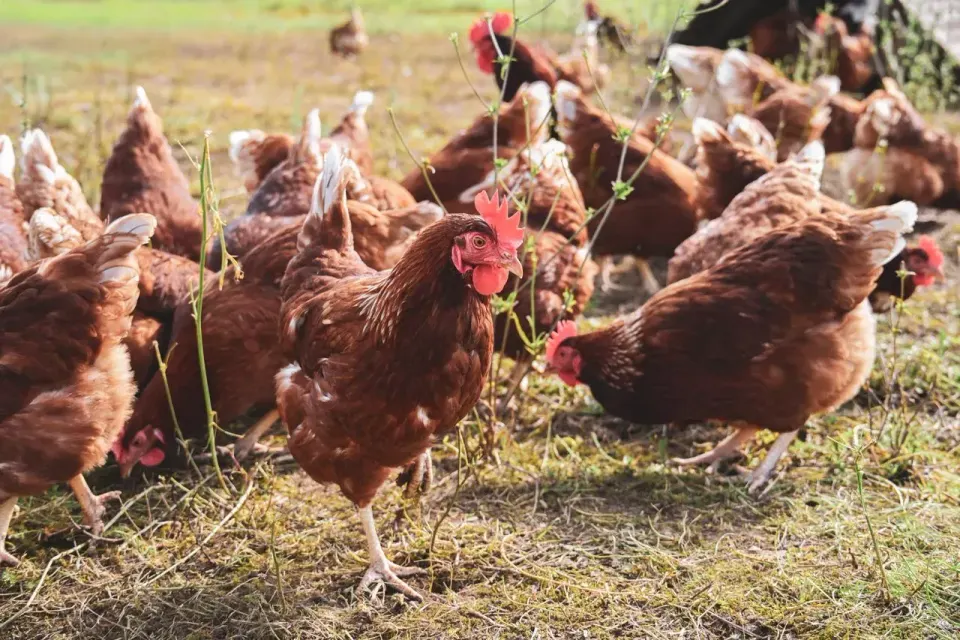
Cargill is investing more than USD 130 million over two years to expand and modernise poultry processing, feed production, grain storage, and farming infrastructure in Thailand and the Philippines, targeting rising global demand for high-quality protein.
The European Commission has told Ukraine there are no plans to renegotiate its agricultural export quotas, rejecting Kyiv's request for expanded bioethanol access even as Russian strikes continue to damage Ukrainian infrastructure and constrain its exports.
Agricultural commodity futures posted sharply divergent results in the week ending 25 September 2026, with November soybeans gaining 15½ cents to $13.19 per bushel and November feeder cattle surging nearly $14, while wheat contracts fell as much as 27¾ cents. China trade developments, harvest-season supply pressure, and commodity-specific fundamentals drove the split outcomes, according to a weekly market analysis published by Ag Bull on 26 September 2026.
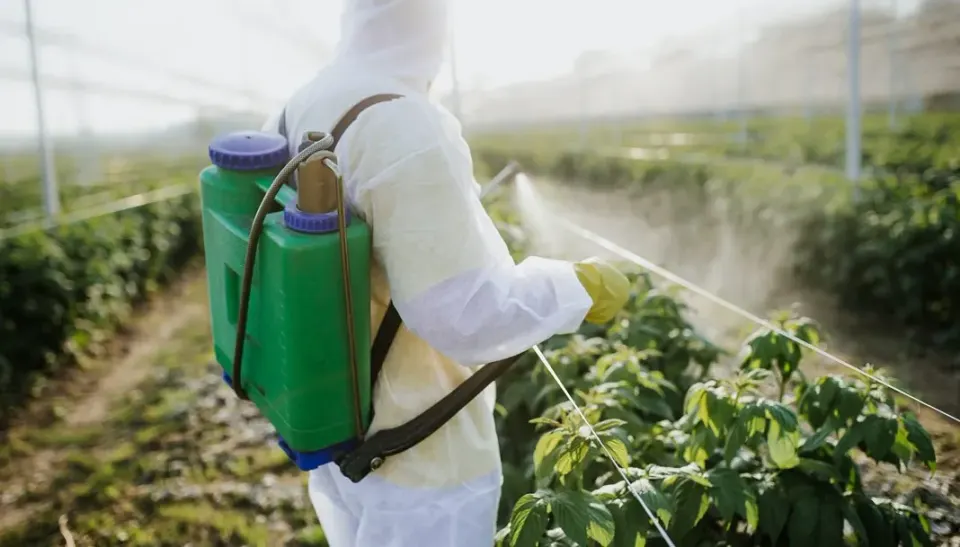
A European Commission proposal to lower maximum residue limits (MRLs) for pesticides not authorised in the EU could restrict market access for African agricultural exporters, including Kenya, South Africa, Egypt, Morocco and Uganda. A Joint Research Centre study published in August examined the potential economic impact across 235 commodities and 86 exporting countries. Kenya has raised the issue at the WTO, warning of shipment rejections and income losses for smallholder farmers. The proposal remains under consideration by the European Parliament and Council.
The second day of the Compound Livestock Feed Manufacturers Association (CLFMA) of India's 67th National Symposium in Mumbai brought together policymakers, industry leaders, scientists and farmers to address feed security, artificial intelligence, veterinary capacity and government-industry collaboration in India's animal-agriculture sector.
China's National Health Commission and the State Administration for Market Regulation jointly released a package of 50 national food safety standards and amendment sheets on 22 September 2026, including new analytical methods for mycotoxins and contaminants relevant to feed and food supply chains. The standards were formally issued on 18 August 2026 with implementation dates running from February to August 2027.
A strengthening El Niño event, combined with fertilizer shortages, geopolitical tensions, and elevated energy costs, could push global food and feed commodity prices up by 14–16%, according to procurement consultancy Beroe. Key feed ingredients including corn, vegetable oils, and sugar face varying levels of supply and price risk, with the full market impact potentially not materialising until 2028.
Corn futures pulled back toward technical support on September 23, 2026, erasing Monday's gains, while a USDA daily export sale to Mexico, a high-stakes Xi-Trump summit in Washington, a proposed U.S. diesel export ban, and a projected 70% surge in global biofuel output by 2030 combined to create a complex backdrop for feed-grain and oilseed markets.