The European Commission's final audit report has found that Brazil's official poultry and honey supply chain controls meet EU standards on antimicrobial use, according to the Brazilian Association of Animal Protein (ABPA). However, the reinstatement of Brazil on the EU's approved suppliers list remains pending further European regulatory steps, including a yet-to-be-scheduled meeting of the Standing Committee on Plants, Animals, Food and Feed.
Uzbekistan's Senate has approved a new Food Safety Law introducing risk-based state control, clearer responsibilities for food businesses, and expanded powers for the Food Safety Committee. The legislation, passed at the Senate's 20th plenary session, is designed to align the country's food safety framework with international practices and WTO requirements.
The USDA's September 30, 2026 quarterly stocks report showed corn inventories well above market expectations, a bearish signal for the feed grain, while wheat stocks came in below forecasts and soybean stocks were slightly supportive, according to an analysis by ADM Investor Services.
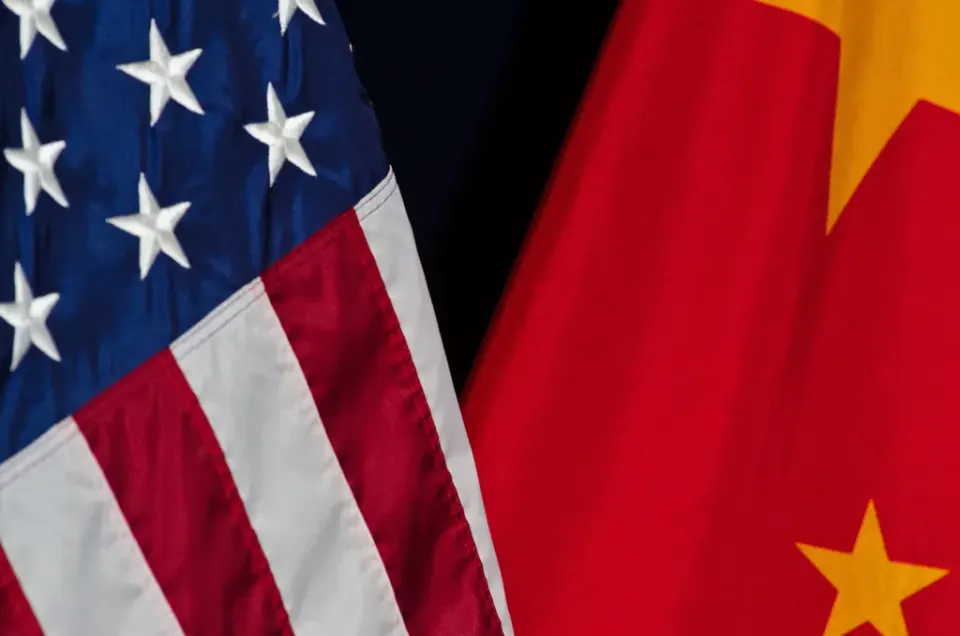
The United States and China have agreed to pursue reciprocal tariff reductions covering $60 billion worth of goods, including US corn, wheat and meat as well as Chinese consumer products, following a presidential summit in Washington. Non-seed soybeans — the largest US agricultural export to China — were excluded from China's list, prompting criticism from the American Soybean Association and a sharp drop in Chicago soybean futures. The two sides also extended their trade truce through to 10 January and agreed on an agriculture working group.
Australia's Department of Agriculture, Forestry and Fisheries has briefed stakeholders on the EU Deforestation Regulation, which is now confirmed to take effect from 31 December 2026 after two consecutive 12-month delays. Australian beef and lamb exporters shipping product from October 2026 onwards must comply with the new rules, with geolocation of supply properties being the primary requirement for Australia's "low-risk" country classification.
China's National Health Commission and State Administration for Market Regulation have jointly issued Announcement No. 6 of 2026, releasing 50 national food-safety standards and amendment sheets that span product specifications, additive purity, production controls and laboratory test methods. Feed and food ingredient businesses exporting to or operating in China must review each standard individually, as no single package-wide compliance deadline applies.
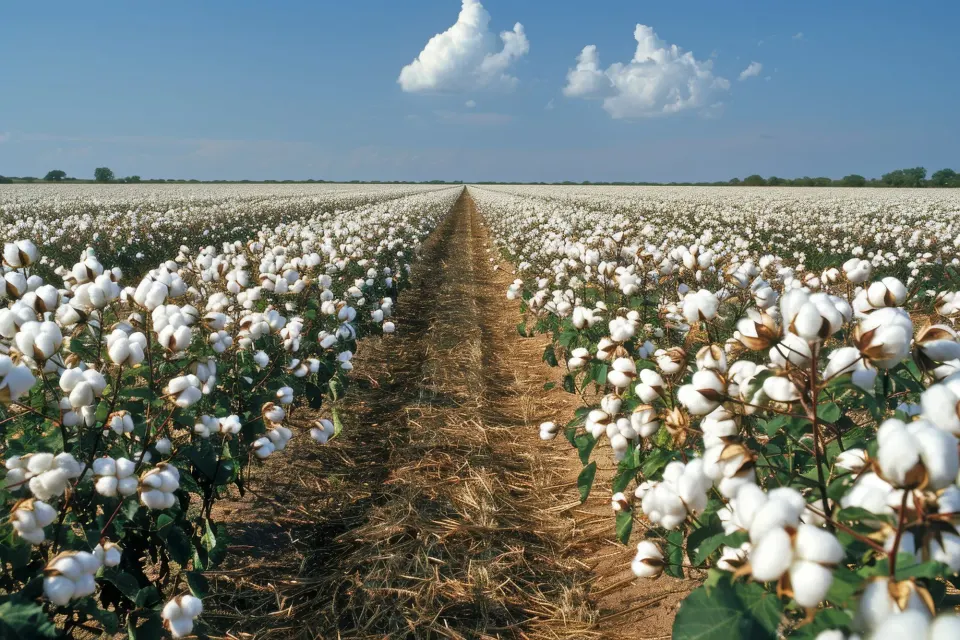
A stronger US dollar, rising exchange stocks, and weather-driven supply concerns across key producing regions pushed soft commodity futures lower on 23 September 2026, according to ADM Investor Services (ADMIS). Cotton, coffee, and cocoa all faced headwinds, while sugar held gains amid broad output concerns linked to El Niño and ethanol demand in Brazil.
Ukraine's Cabinet of Ministers Resolution No. 675 introduces mandatory producer-register verification for rapeseed exporters from 1 July 2026 and soybean exporters from 1 September 2026, replacing chamber-of-commerce certificates as the basis for export-duty exemptions. The change raises working-capital and administrative costs for traders and is already contributing to a modest convergence of Ukrainian rapeseed prices toward EU benchmarks.
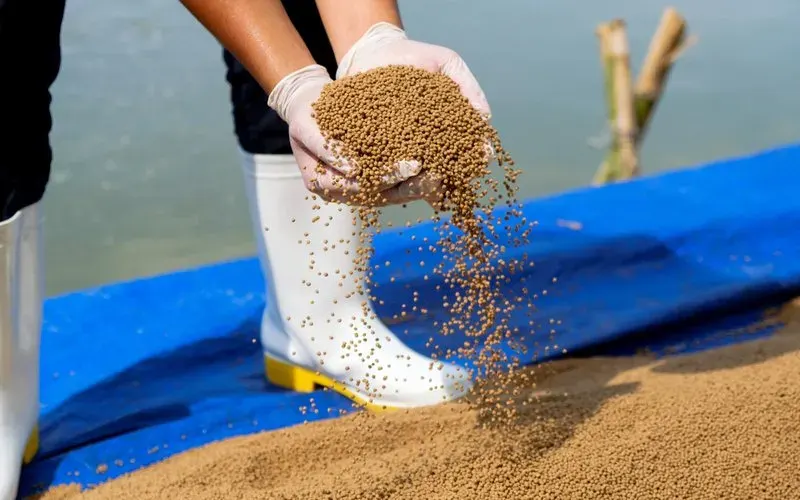
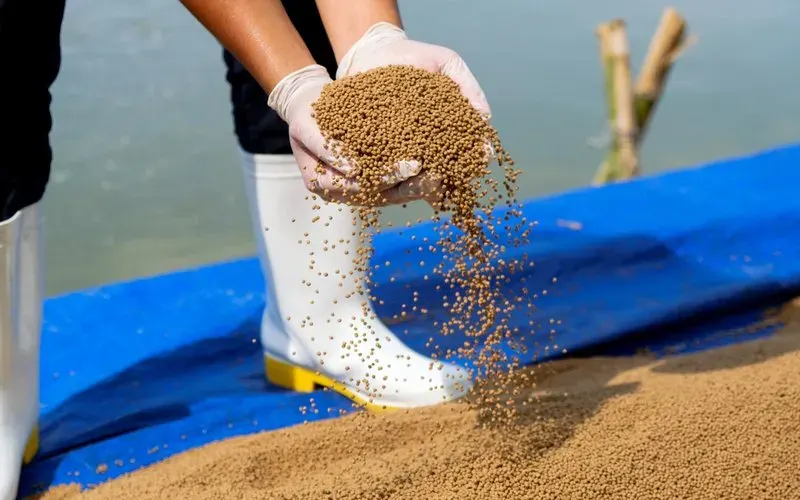
A European Commission study completed in June 2026 estimates that feed demand for ten key farmed species in the EU grew from under 900,000 tonnes in 2013 to almost 1.1 million tonnes in 2023. The report identifies plant ingredients as now comprising the majority of material demand, while highlighting cost, scalability and regulatory hurdles facing alternative proteins and oils.
A European Commission study completed in June 2026 estimates that feed demand for ten key farmed species in the EU grew from under 900,000 tonnes in 2013 to almost 1.1 million tonnes in 2023, while identifying plant ingredients, cost, regulation and supply-chain exposure as central challenges for the sector's future.
Chile's coho salmon sector is on course for a historic production record of 328,000–349,000 tonnes in 2026, driven by larger cage systems, heavier smolts and a near-doubling of active farming sites since 2010, according to data presented at the Pacific Silver 2026 forum in Puerto Varas.
The European Feed Manufacturers' Federation (FEFAC) has published its fourth impact assessment warning that converging pressures from drought, Black Sea trade disruption, and EU Deforestation Regulation (EUDR) sourcing constraints could create a soybean meal supply gap of at least 5 million tonnes in the 2026/2027 marketing year, with total estimated costs to the EU feed and livestock sector reaching around €1.40 billion.