Uzbekistan's Senate has approved a new Food Safety Law introducing risk-based state control, clearer responsibilities for food businesses, and expanded powers for the Food Safety Committee. The legislation, passed at the Senate's 20th plenary session, is designed to align the country's food safety framework with international practices and WTO requirements.
Brazil's annual beef import quota in China was exhausted on September 29, activating an additional 55% surcharge on top of China's standard 12% tariff from October 1, 2026. With EU market access also suspended and U.S. relief limited, Brazilian exporters face mounting pressure to discount or redirect supply.
The United States and China have agreed to pursue reciprocal tariff reductions covering $60 billion worth of goods, including US corn, wheat and meat as well as Chinese consumer products, following a presidential summit in Washington. Non-seed soybeans — the largest US agricultural export to China — were excluded from China's list, prompting criticism from the American Soybean Association and a sharp drop in Chicago soybean futures. The two sides also extended their trade truce through to 10 January and agreed on an agriculture working group.
Nigeria's Ministry of Livestock Development is in discussions with UNIDO on technical cooperation to establish a digital livestock identification and traceability system, with potential applications in animal health monitoring, product certification, export market access and combating livestock theft.
The European Commission has told Ukraine there are no plans to renegotiate its agricultural export quotas, rejecting Kyiv's request for expanded bioethanol access even as Russian strikes continue to damage Ukrainian infrastructure and constrain its exports.
Brazil anticipates being restored to the European Union's approved list of poultry and honey suppliers following a positive assessment, after the country was left off the list when new EU import rules took effect on 3 September 2026.
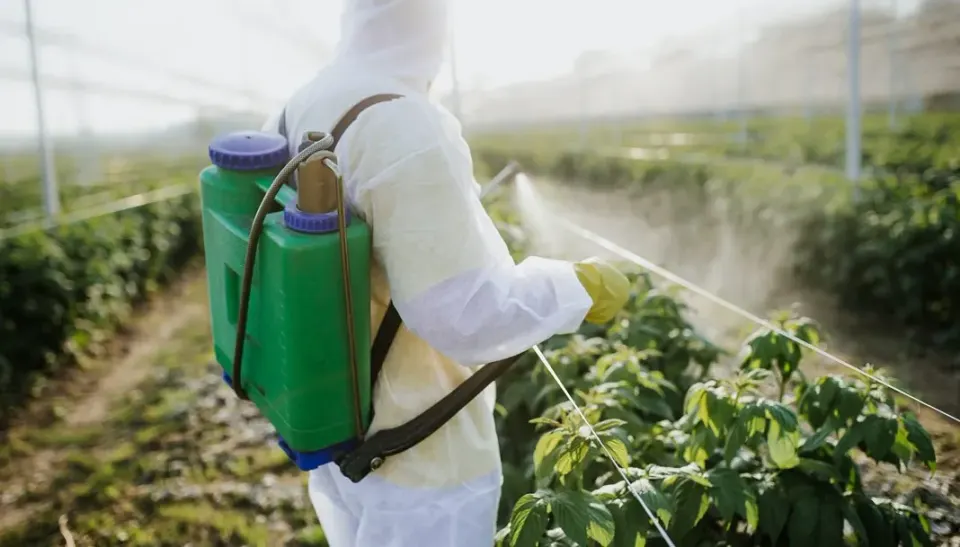
A European Commission proposal to lower maximum residue limits (MRLs) for pesticides not authorised in the EU could restrict market access for African agricultural exporters, including Kenya, South Africa, Egypt, Morocco and Uganda. A Joint Research Centre study published in August examined the potential economic impact across 235 commodities and 86 exporting countries. Kenya has raised the issue at the WTO, warning of shipment rejections and income losses for smallholder farmers. The proposal remains under consideration by the European Parliament and Council.
U.S. Trade Representative Jamieson Greer said on 25 September 2026 that a bilateral Board of Trade agreement with China would protect selected agricultural exports from future tariff retaliation, with full details expected on 28 September. The trade truce has also been extended through January 2027, but an unresolved Section 301 overcapacity investigation could complicate the arrangement.
Ukraine's Cabinet of Ministers Resolution No. 675 introduces mandatory producer-register verification for rapeseed exporters from 1 July 2026 and soybean exporters from 1 September 2026, replacing chamber-of-commerce certificates as the basis for export-duty exemptions. The change raises working-capital and administrative costs for traders and is already contributing to a modest convergence of Ukrainian rapeseed prices toward EU benchmarks.
German feed corn prices remain steady at 0.295 EUR/kg EXW Drentwede amid a drought-reduced domestic harvest, while Ukrainian export corn at Odesa has softened to 0.157–0.159 EUR/kg on CPT and FOB terms, widening the spread between the two origins and keeping EU feed buyers well supplied from Black Sea sources despite ongoing logistics risks.
The U.S. International Development Finance Corporation has approved a US$500 million counter-guarantee facility for the IFC's Global Trade Finance Program, which could support up to US$20 billion in U.S. exports to emerging markets and ease African banks' ability to finance purchases of U.S. agricultural commodities, including grains, soybeans and animal feed.
The South American rendering industry convened in Mendoza, Argentina, for the Reunion of the Americas (REAM) on 8–10 September 2026. Discussions centred on tightening fishmeal supply, surging export demand for Brazilian animal protein meals, shifting trade conditions for low-carbon feedstocks, and the growing interconnection of regional rendered-product markets.