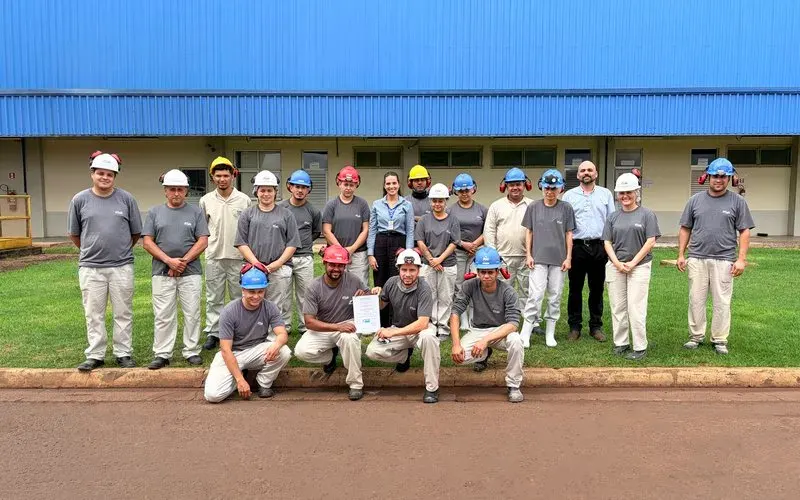
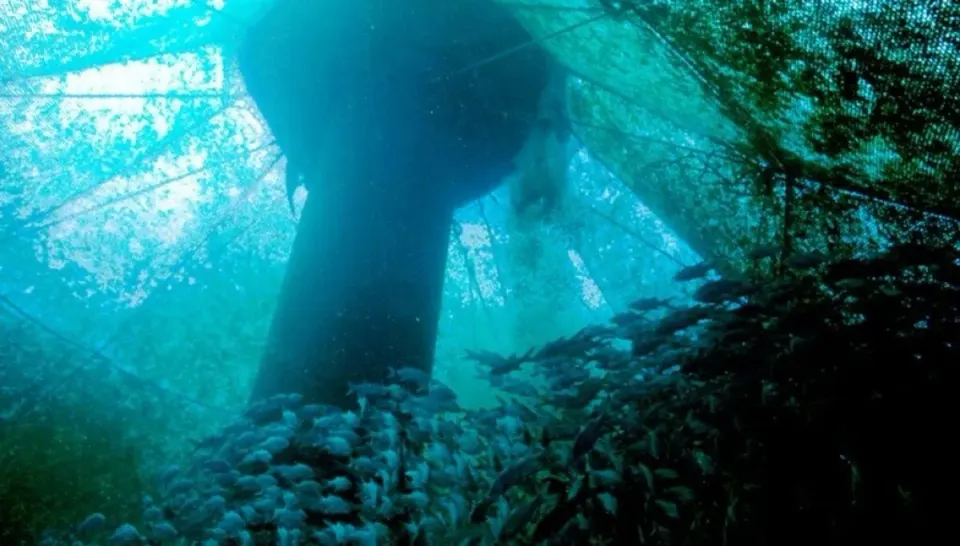
Brazilian cooperative C.Vale has become the first company in Brazil to receive Aquaculture Stewardship Council (ASC) Feed Standard certification for its tilapia feed plant, completing ASC coverage across all three stages of the tilapia production chain: feed manufacturing, fish farming, and industrial processing.
Pro-aquaculture lobby group Stronger America Through Seafood (SATS) has launched an October campaign urging Congress to pass the bipartisan Marine Aquaculture Research for America (MARA) Act before the current congressional term expires in January 2027, warning that the US is missing out on the benefits of open ocean aquaculture due to a complex federal permitting process that took eight years to approve a single demonstration project this year.
The Canadian Aquaculture Industry Alliance (CAIA) has unanimously voted to rename itself Canadian Seafood Farmers / Producteurs Aquacoles Canadiens, reflecting the sector's identity as a food-producing farming industry. The change was approved at the association's Annual General Meeting on 29 September 2026.
ACTIPRO, the animal nutrition brand of VEOS Group, and European feed manufacturer VERONESI have announced a strategic partnership to integrate upcycled egg powder into aquaculture feed formulations. The collaboration, unveiled at the Aquaculture Europe 2026 conference in Ljubljana, Slovenia, creates a closed-loop supply chain in which egg by-products from the Veronesi Group are processed by ACTIPRO into a functional egg powder and returned to VERONESI for inclusion in its aqua feed lines.
The UN Food and Agriculture Organization's SOFIA 2026 report, launched at the 11th Our Ocean Conference in Mombasa, Kenya, reveals that global aquaculture aquatic animal production reached 103 million tonnes in 2024, surpassing the 100 million tonne threshold for the first time. Asia accounts for around 89% of farmed output, and aquaculture now supplies 53% of total aquatic animal production. FAO projects production could reach 214 million tonnes by 2034, though climate change and sustainability pressures pose risks.
France-based Innovafeed and Dutch company Protix have jointly published a white paper arguing that current life cycle assessments of insect-derived feed ingredients rely on outdated pilot-scale data and fail to capture real-world sustainability gains already achieved at industrial scale, including a reduction in Innovafeed's carbon intensity by a factor of five since 2022.
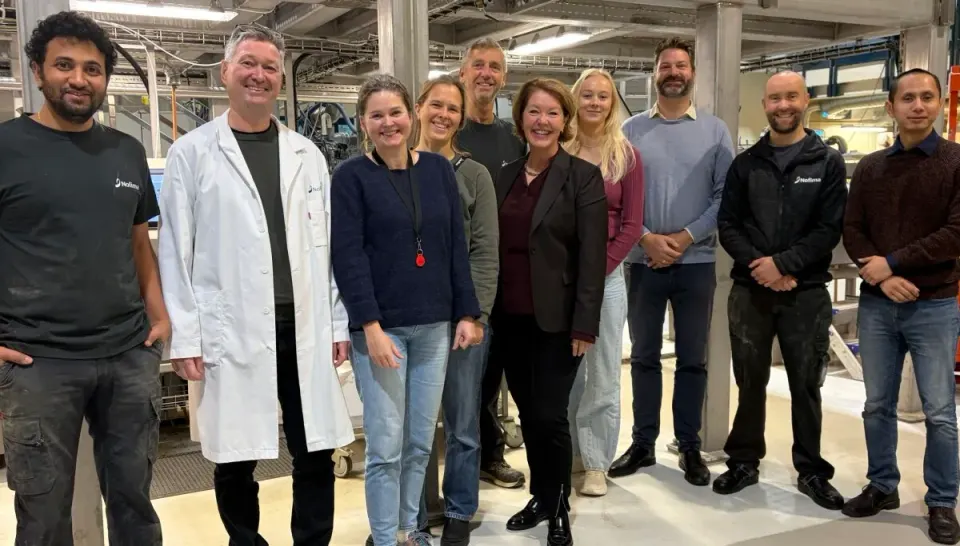
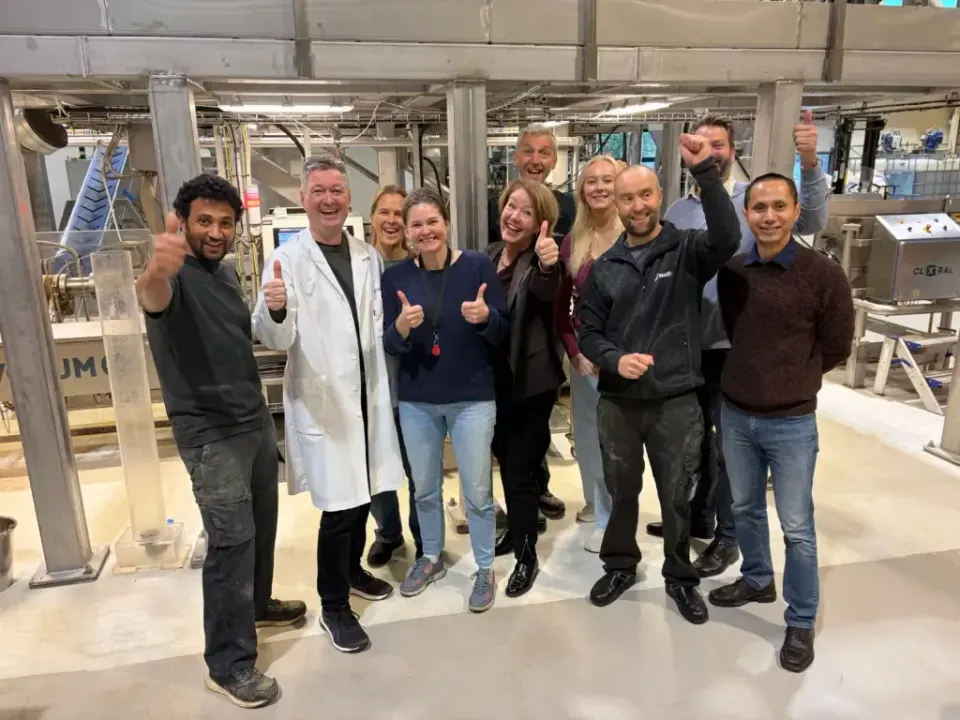
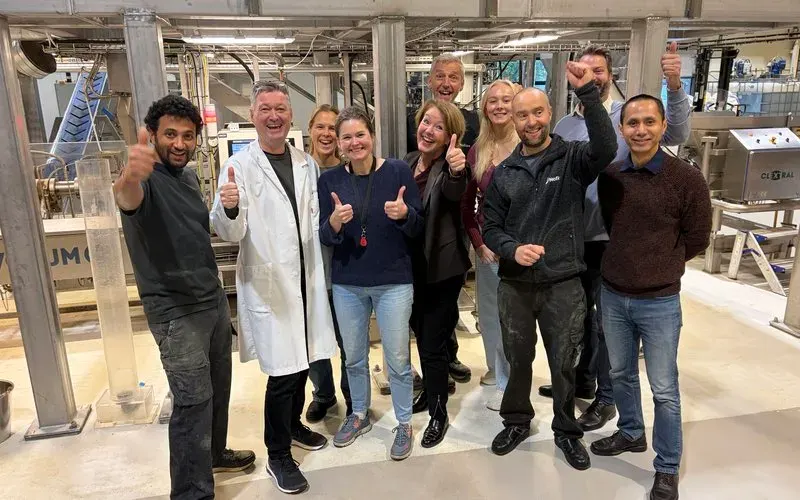
The Research Council of Norway has awarded NOK 58.851m (£4.62m) to a consortium led by Nofima, NORCE, and the University of Bergen to develop a second phase of the Aquafeed Technology Centre, strengthening Norway's national research infrastructure for sustainable aquafeed ingredient development and testing.
The second day of the Compound Livestock Feed Manufacturers Association (CLFMA) of India's 67th National Symposium in Mumbai brought together policymakers, industry leaders, scientists and farmers to address feed security, artificial intelligence, veterinary capacity and government-industry collaboration in India's animal-agriculture sector.
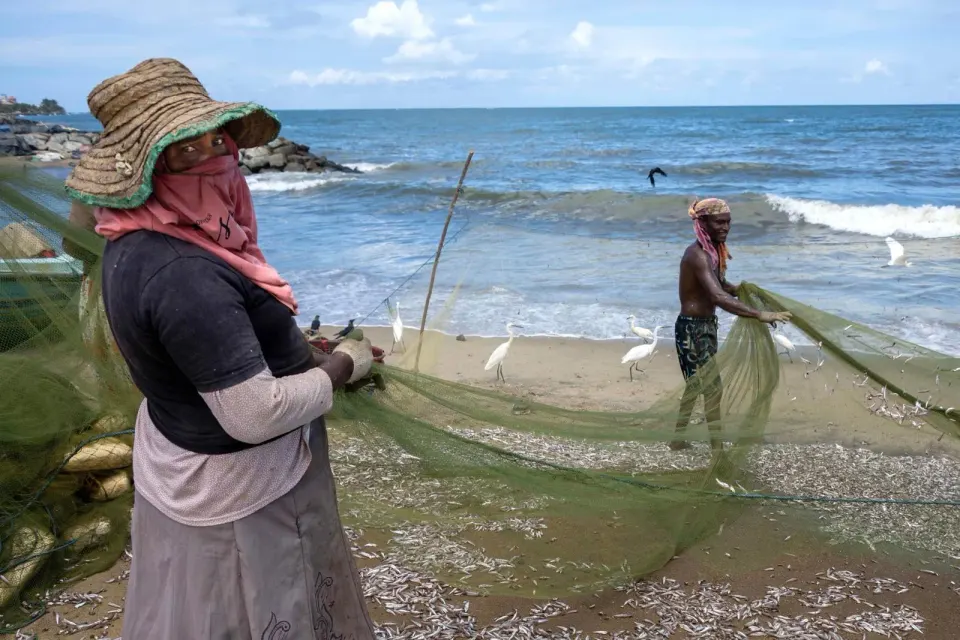
A report by the Changing Markets Foundation, produced with University of British Columbia researchers, warns that wild-caught fish used for aquaculture feed could rise sharply by 2040 if growth concentrates in carnivorous species such as salmon, shrimp, sea bream and sea bass. The FAO has disputed the interpretation of a 75% growth figure cited in the report, and the findings have sharpened debate over species choice, feed composition, and the impact on small-scale fishing communities.
The Research Council of Norway has awarded NOK 1.24 billion (€110 million) across 18 projects to strengthen national research infrastructure, with Nofima's Aquafeed Technology Centre among the recipients. The funding will support Phase II of the centre, expanding Norway's capacity to develop and test aquafeed raw materials and ingredients.
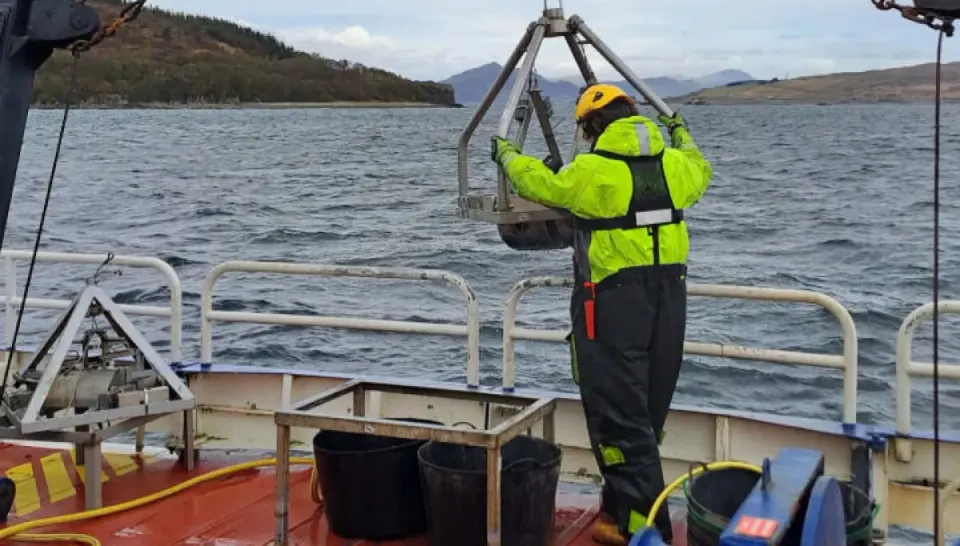
Scotland's environmental regulator SEPA has formally incorporated environmental DNA (eDNA) analysis into its regulatory process for monitoring seabed condition around salmon farms, cutting assessment time from around 16 weeks to around six weeks and allowing operators to use eDNA results as evidence of compliance.
The Research Council of Norway has selected the Aquafeed Technology Centre Phase II for funding as part of a NOK 1.24 billion (USD 130 million) investment in 18 national research infrastructure projects. Led by Nofima in collaboration with the University of Bergen and NORCE, the expanded centre will develop capacity to process, formulate and evaluate new feed raw materials and ingredients for aquaculture and other bio-based industries.