Soybean futures and products on the Chicago Board of Trade are undergoing modest profit-taking after a strong late-summer rally, with US September 1 inventories running about 3% below last year and Chinese demand continuing to underpin prices across the complex.
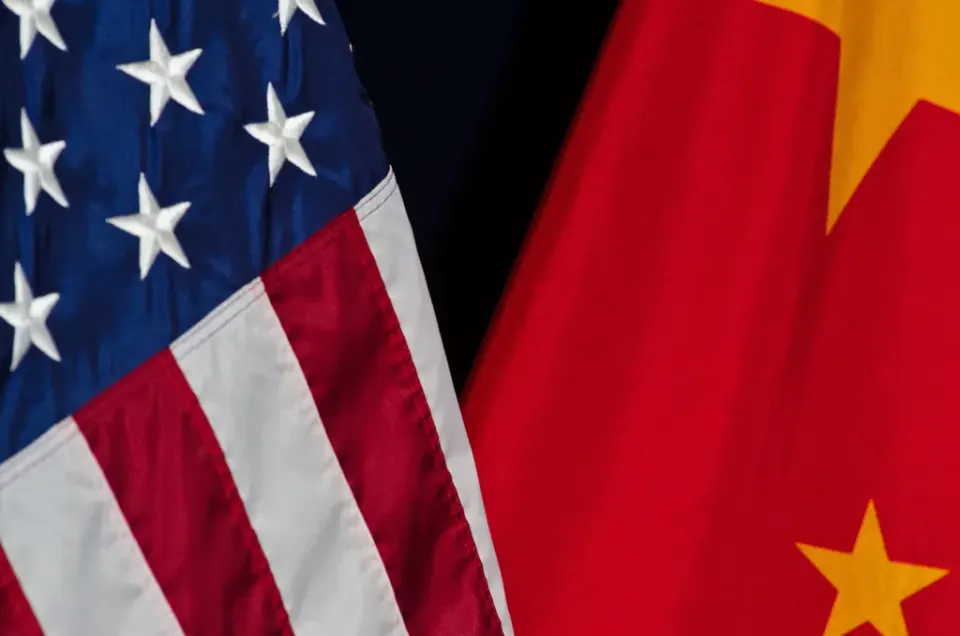
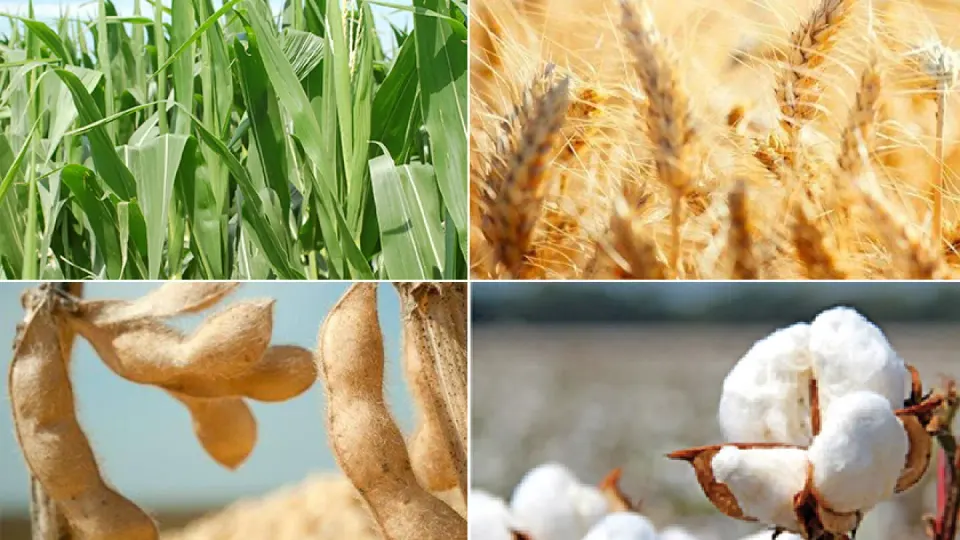
The United States and China have agreed to pursue reciprocal tariff reductions covering $60 billion worth of goods, including US corn, wheat and meat as well as Chinese consumer products, following a presidential summit in Washington. Non-seed soybeans — the largest US agricultural export to China — were excluded from China's list, prompting criticism from the American Soybean Association and a sharp drop in Chicago soybean futures. The two sides also extended their trade truce through to 10 January and agreed on an agriculture working group.
The Canadian Aquaculture Industry Alliance (CAIA) has unanimously voted to rename itself Canadian Seafood Farmers / Producteurs Aquacoles Canadiens, reflecting the sector's identity as a food-producing farming industry. The change was approved at the association's Annual General Meeting on 29 September 2026.
Ukraine's Cabinet of Ministers has approved updated Common Health Entry Document forms for importing live animals, food products, and food and feed of non-animal origin, bringing the country's border control documentation into closer alignment with European Union requirements under Regulation (EU) 2017/625 and the IMSOC framework.
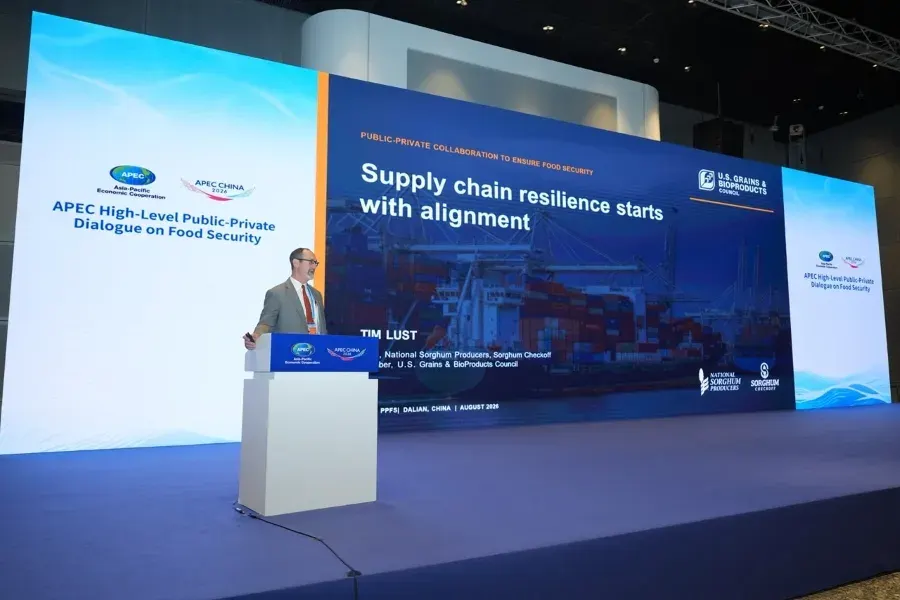
The U.S. Grains & BioProducts Council participated in the APEC High-Level Public-Private Dialogue on Food Security in Dalian, China, alongside nearly 150 representatives from across the Asia-Pacific region, with a focus on U.S. sorghum trade, bilateral agricultural relations, and regional supply chain resilience.
The second day of the Compound Livestock Feed Manufacturers Association (CLFMA) of India's 67th National Symposium in Mumbai brought together policymakers, industry leaders, scientists and farmers to address feed security, artificial intelligence, veterinary capacity and government-industry collaboration in India's animal-agriculture sector.
U.S. grain futures on September 25, 2026 finished near session highs after early selling pressure gave way to a recovery driven by a weaker dollar and trade-deal optimism. December corn edged up fractionally, November soybeans posted weekly gains on news of a U.S.-China trade subset agreement, while wheat futures ended the week lower amid a sustained price downtrend. Persistent Midwest rains are delaying harvest and tightening soybean supplies at processors.
A strengthening El Niño event, combined with fertilizer shortages, geopolitical tensions, and elevated energy costs, could push global food and feed commodity prices up by 14–16%, according to procurement consultancy Beroe. Key feed ingredients including corn, vegetable oils, and sugar face varying levels of supply and price risk, with the full market impact potentially not materialising until 2028.
CBOT soybean futures eased modestly on 23 September 2026, with soybean oil leading declines and meal outperforming, as traders consolidated recent gains ahead of a key U.S.–China diplomatic summit. Ukrainian FOB prices slipped while basis held firm on below-average yields and Black Sea risk. China's August soybean imports remained historically large but showed a 12% year-on-year drop from the U.S., highlighting continued origin diversification. Early South American planting began under a wetter pattern, introducing mild bearish signals for new-crop supply.
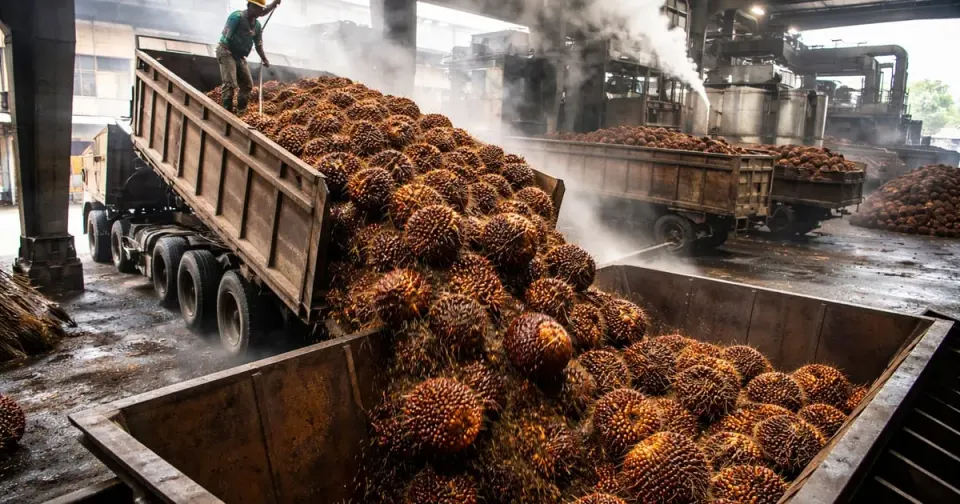
Malaysian palm oil futures fell for a fourth consecutive session on 23 September 2026, with the December Bursa Malaysia contract dropping to MYR 4,768/tonne, as rising inventories, sluggish exports and soft rival markets reinforced a bearish near-term outlook.
MDEX palm oil futures posted modest gains on 23 September 2026, with the nearby October 2026 contract settling at MYR 4,640 per tonne. A gently upward-sloping forward curve reflects competing pressures: elevated Malaysian inventories and soft exports on the bearish side, against Indonesia's imminent B50 biodiesel mandate and drier-than-normal regional weather on the supportive side.
Palm oil prices face near-term downward pressure after Malaysia reported higher August inventories and weaker exports, while speculation mounts that India could reduce import duties on edible oils, adding further headwinds to global palm prices.