The USDA's September 30, 2026 quarterly stocks report showed corn inventories well above market expectations, a bearish signal for the feed grain, while wheat stocks came in below forecasts and soybean stocks were slightly supportive, according to an analysis by ADM Investor Services.
U.S. Trade Representative Jamieson Greer said on October 1, 2026, that there is no set timetable for implementing proposed tariff reductions covering roughly $60 billion in U.S.-China trade, citing required legal and public comment processes. The announcement tempers expectations raised by a September 27 agreement, and leaves key agricultural commodities — including non-seed soybeans — facing continued uncertainty.
Argentina's agro-industrial exports to the European Union increased 21% in value during the first four months the Mercosur-EU trade agreement was in provisional force, with tariff-reduced products posting an even steeper 44% gain, according to Argentina's Secretariat of Agriculture, Livestock and Fisheries.
Sunflower oil prices fell for a third consecutive month in September 2026, according to FAO data, as ample Black Sea supply weighs on the market. However, damaged Ukrainian port infrastructure, elevated maritime risk premia, and constrained Russian export routes are cushioning the downturn and keeping volatility high.
The United States and China have agreed to pursue reciprocal tariff reductions covering $60 billion worth of goods, including US corn, wheat and meat as well as Chinese consumer products, following a presidential summit in Washington. Non-seed soybeans — the largest US agricultural export to China — were excluded from China's list, prompting criticism from the American Soybean Association and a sharp drop in Chicago soybean futures. The two sides also extended their trade truce through to 10 January and agreed on an agriculture working group.
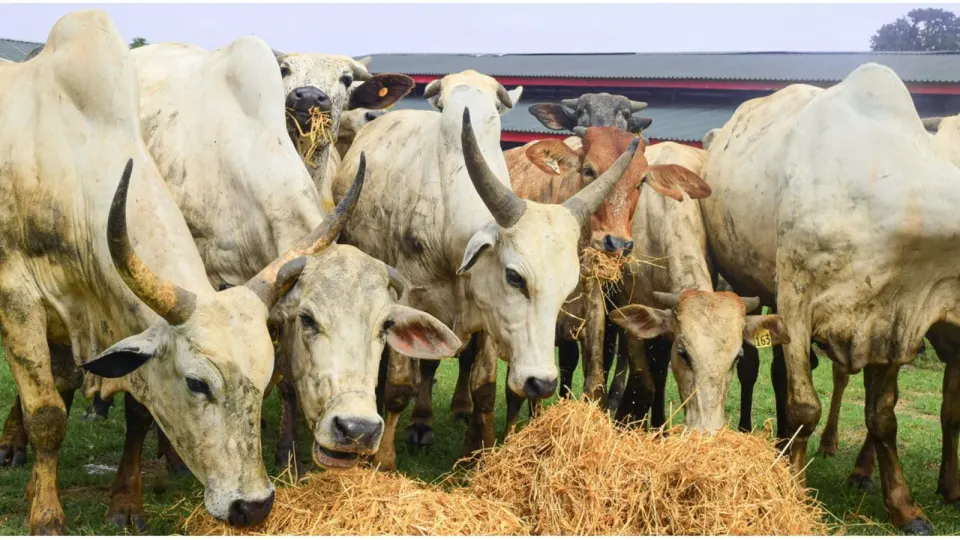
Nigeria's Ministry of Livestock Development is in discussions with UNIDO on technical cooperation to establish a digital livestock identification and traceability system, with potential applications in animal health monitoring, product certification, export market access and combating livestock theft.
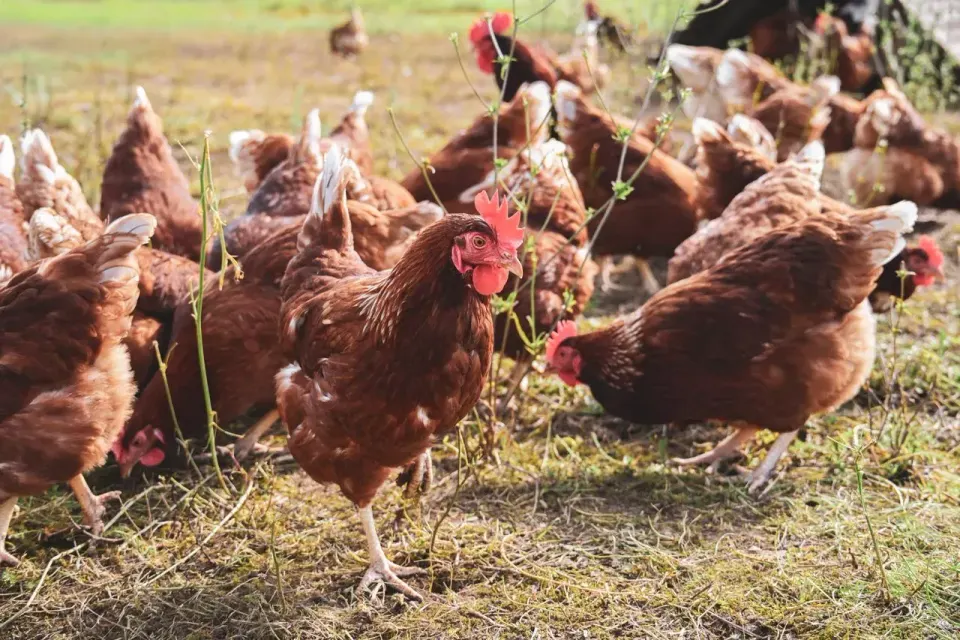
Cargill is investing more than USD 130 million over two years to expand and modernise poultry processing, feed production, grain storage, and farming infrastructure in Thailand and the Philippines, targeting rising global demand for high-quality protein.
The European Commission has told Ukraine there are no plans to renegotiate its agricultural export quotas, rejecting Kyiv's request for expanded bioethanol access even as Russian strikes continue to damage Ukrainian infrastructure and constrain its exports.
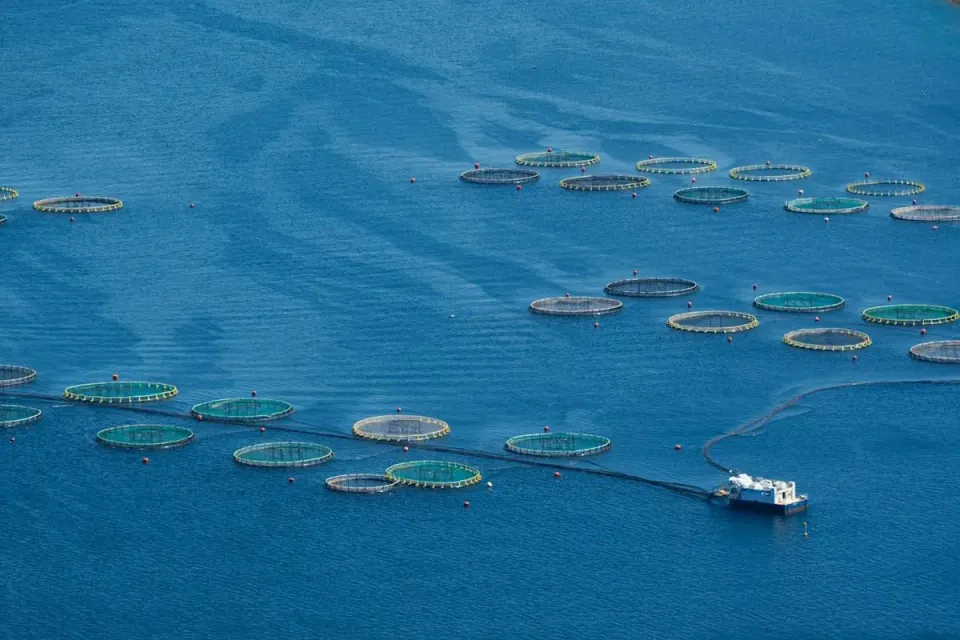
The UN Food and Agriculture Organization's SOFIA 2026 report, launched at the 11th Our Ocean Conference in Mombasa, Kenya, reveals that global aquaculture aquatic animal production reached 103 million tonnes in 2024, surpassing the 100 million tonne threshold for the first time. Asia accounts for around 89% of farmed output, and aquaculture now supplies 53% of total aquatic animal production. FAO projects production could reach 214 million tonnes by 2034, though climate change and sustainability pressures pose risks.
China has published a 1,619-tariff-line list of U.S. products eligible for consideration for lower tariffs, covering corn, wheat, cotton, beef, pork, dairy and ethanol, but notably omitting commercial (non-seed) soybeans and distillers dried grains with solubles (DDGS). Actual tariff reductions remain pending domestic legal processes in each country, and the widely cited "30-for-30" figures represent a 2024 trade valuation benchmark rather than a purchasing or savings commitment.
Australia's Department of Agriculture, Forestry and Fisheries has briefed stakeholders on the EU Deforestation Regulation, which is now confirmed to take effect from 31 December 2026 after two consecutive 12-month delays. Australian beef and lamb exporters shipping product from October 2026 onwards must comply with the new rules, with geolocation of supply properties being the primary requirement for Australia's "low-risk" country classification.
Agricultural commodity futures posted sharply divergent results in the week ending 25 September 2026, with November soybeans gaining 15½ cents to $13.19 per bushel and November feeder cattle surging nearly $14, while wheat contracts fell as much as 27¾ cents. China trade developments, harvest-season supply pressure, and commodity-specific fundamentals drove the split outcomes, according to a weekly market analysis published by Ag Bull on 26 September 2026.