Chicago corn futures rose on 21 September 2026, driven by trader positioning ahead of US–China talks that could unlock new Chinese grain purchases and by persistent Black Sea supply uncertainties. Gains were broad-based but moderate, with the market still awaiting concrete outcomes from the summit.
Combined soybean meal exports from Argentina, Brazil and the United States reached a record 73 million tonnes in 2025/26, reinforcing ample feed-ingredient availability and limiting price rallies across the soybean complex, according to CMB News.
Argentina's 2026/27 wheat output is forecast to fall sharply from the previous season's record, while war-related disruptions continue to constrain Black Sea exports. Together, the two developments are tightening global high-quality wheat availability and pushing Chicago futures to a multi-year high, raising import costs for buyers in North Africa, the Middle East and Asia.
Chicago December wheat futures settled lower on September 21, 2026, but a combination of solid US export sales and persistent Black Sea supply disruption risks is preventing a deeper price correction, according to CMB News.
Forecast rainfall across the central and southern Plains is expected to improve seedbed conditions for 2027 hard red winter wheat planting, while the Corn Belt faces a divided harvest picture: drier conditions offer eastern growers a harvest window, but renewed moisture across Nebraska, Iowa and Minnesota threatens further delays in the west.
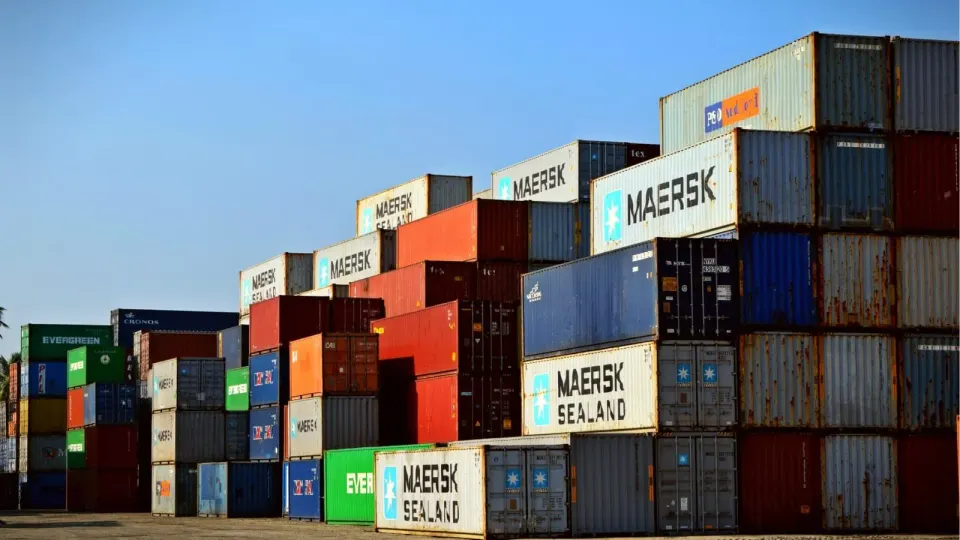
Ongoing shipping disruptions in the Black Sea and Red Sea are compelling wheat importers across Asia, the Middle East, and North Africa to source from more expensive origins such as the United States, Baltic states, Romania, Argentina, India, and Australia. Higher war-risk insurance premiums and freight costs are keeping physical wheat prices structurally elevated even as futures benchmarks have eased slightly from late-August highs, according to CMB News.
MDEX palm oil futures posted modest gains on 23 September 2026, with the nearby October 2026 contract settling at MYR 4,640 per tonne. A gently upward-sloping forward curve reflects competing pressures: elevated Malaysian inventories and soft exports on the bearish side, against Indonesia's imminent B50 biodiesel mandate and drier-than-normal regional weather on the supportive side.
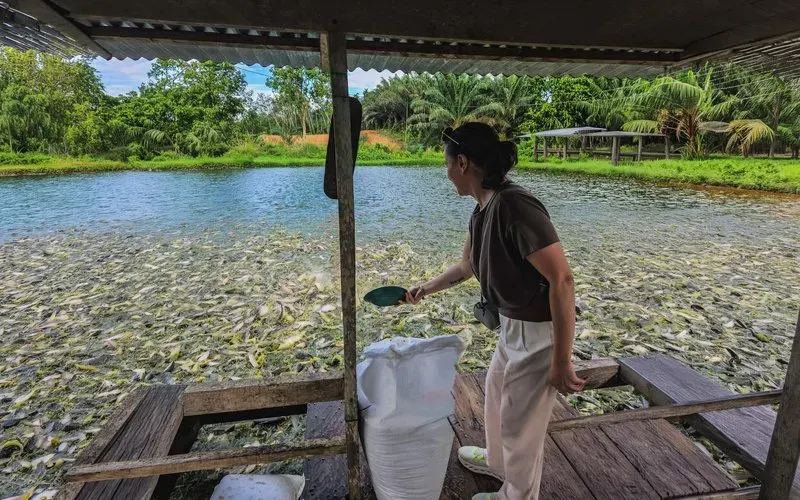
The Philippines is exploring a more diversified aquafeed ingredient base as El Niño, global supply disruptions, and import dependence increase pressure on conventional feed sources, according to Ateneo de Manila University associate professor Janice A. Ragaza.
The U.S. International Development Finance Corporation has approved a US$500 million counter-guarantee facility for the IFC's Global Trade Finance Program, which could support up to US$20 billion in U.S. exports to emerging markets and ease African banks' ability to finance purchases of U.S. agricultural commodities, including grains, soybeans and animal feed.
The U.S. Soybean Export Council convened two aquaculture feed formulation workshops in Bali in August 2026, bringing together commercial formulators and nutritionists from Bangladesh and eight Southeast Asian markets to build practical feed design skills around reliable ingredients including U.S. soy.
CBOT soybean futures held firm on 21 September 2026, with the November 2026 contract trading around 1,310 US-cent/bu, supported by record-pace U.S. export sales and continued Chinese buying, even as managed-money funds began reducing historically elevated net long positions and crude oil weakness capped gains in soybean oil.
Grain futures rose overnight on 21 September 2026 as China's state-owned firms purchased at least 260,000 tonnes of U.S. soybeans days before a presidential summit in Washington, while U.S. and Chinese officials began preparatory trade talks in New York. Soybean meal, corn and wheat futures all gained, though progress on China's broader $17 billion annual farm-goods commitment remains limited.