Pakistan's Trading Corporation of Pakistan (TCP) has tendered for 750,000 tonnes of 2026-crop milling wheat on CFR Karachi/Gwadar terms at around USD 320–325 per tonne, but the high landed cost of imports — compounded by freight, port charges, and currency weakness — is expected to support rather than ease domestic wheat prices. Global benchmark prices from Ukraine, the EU, and the US have softened modestly in September, but analysts note Pakistan's firmness is driven by internal cost and currency dynamics rather than global supply tightness.
Chicago December wheat futures settled lower on September 21, 2026, but a combination of solid US export sales and persistent Black Sea supply disruption risks is preventing a deeper price correction, according to CMB News.
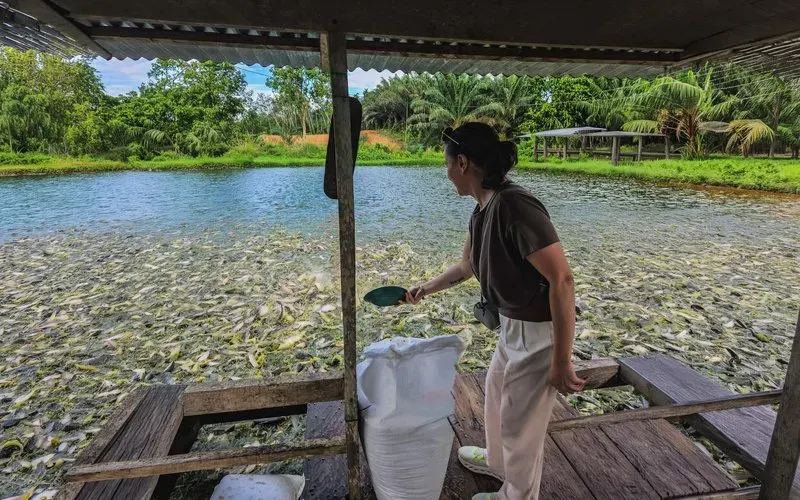
The Philippines is exploring a more diversified aquafeed ingredient base as El Niño, global supply disruptions, and import dependence increase pressure on conventional feed sources, according to Ateneo de Manila University associate professor Janice A. Ragaza.
The U.S. International Development Finance Corporation has approved a US$500 million counter-guarantee facility for the IFC's Global Trade Finance Program, which could support up to US$20 billion in U.S. exports to emerging markets and ease African banks' ability to finance purchases of U.S. agricultural commodities, including grains, soybeans and animal feed.
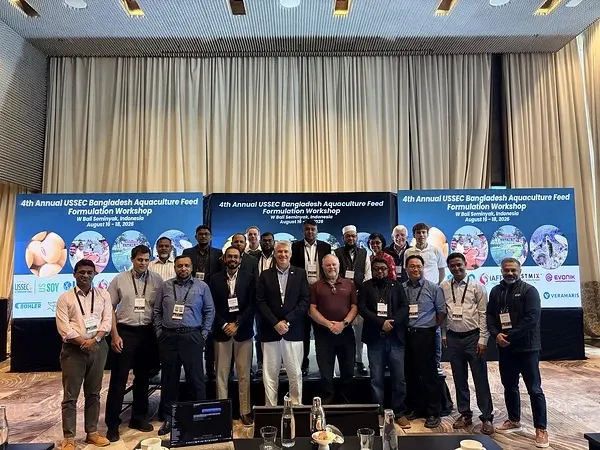
The U.S. Soybean Export Council convened two aquaculture feed formulation workshops in Bali in August 2026, bringing together commercial formulators and nutritionists from Bangladesh and eight Southeast Asian markets to build practical feed design skills around reliable ingredients including U.S. soy.
Palm oil prices face near-term downward pressure after Malaysia reported higher August inventories and weaker exports, while speculation mounts that India could reduce import duties on edible oils, adding further headwinds to global palm prices.
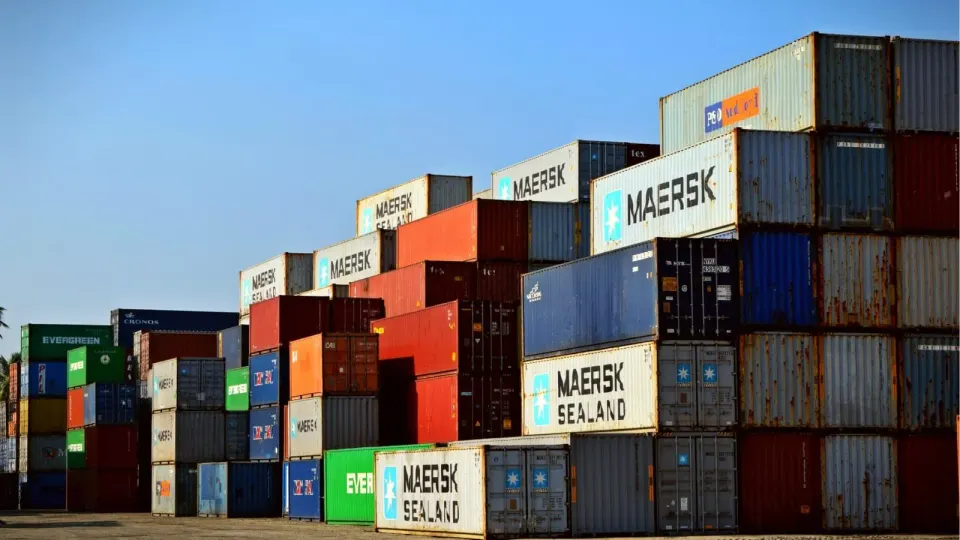
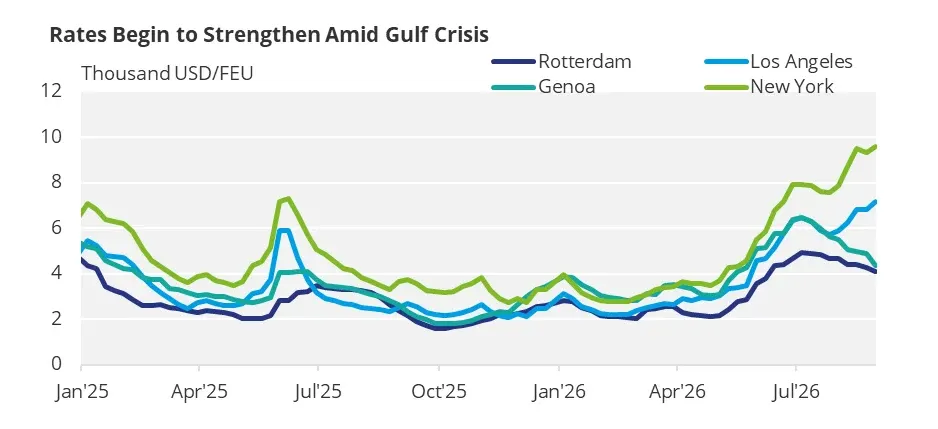
A rapidly intensifying El Niño is tightening water levels at the Panama Canal and prompting precautionary draft restrictions, according to an analysis by agribusiness consultant Alê Delara published by CZ App on 17 September 2026. The weather event could raise US Gulf-to-Asia shipping costs, eroding US soybean and corn competitiveness and redirecting Asian demand toward Brazil — but the same climate risks that could lift Brazilian export premiums also threaten its domestic harvest and push up farm input costs.