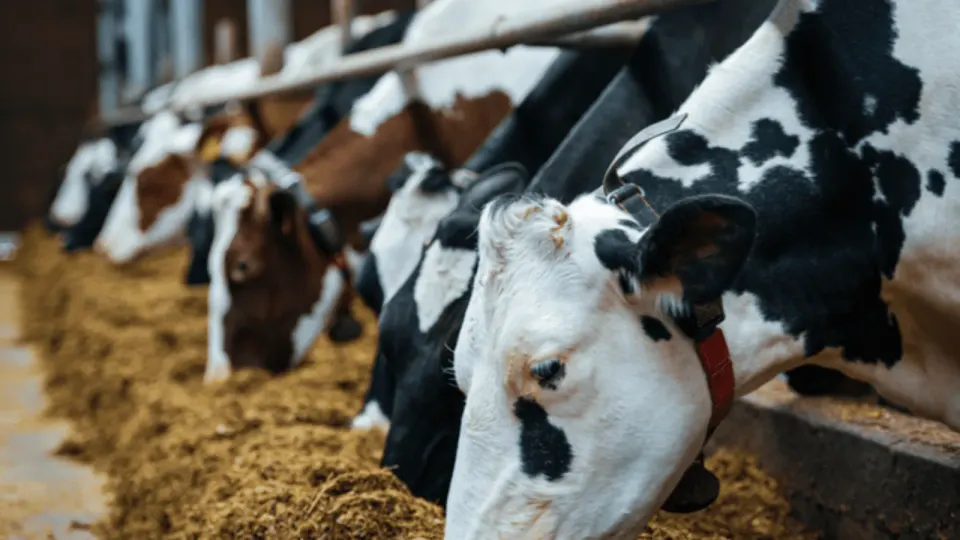
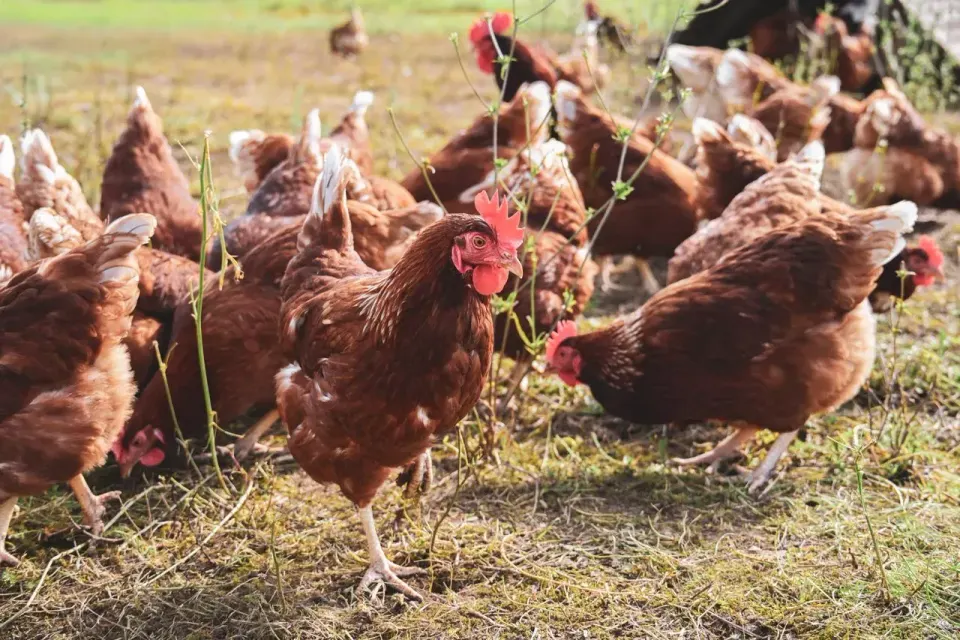
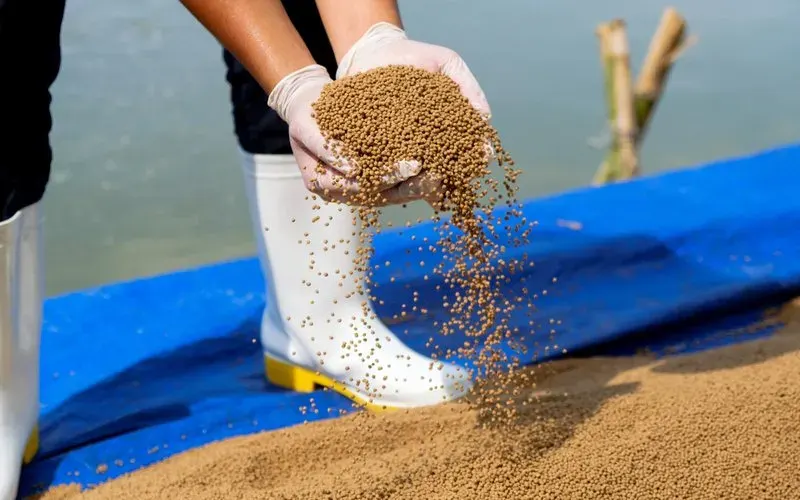
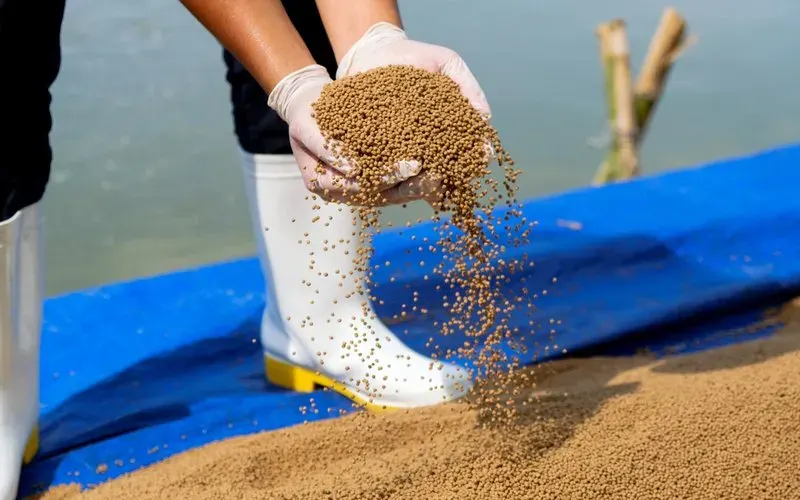
Animal feed prices in Bangladesh have climbed nearly 7% since early August 2026, driven by sharp rises in corn, soybean meal and rice bran costs. Feed mills say they are still absorbing losses despite two price increases, while poultry farmers are cutting production and protests have erupted in several districts.
Cargill is investing more than USD 130 million over two years to expand and modernise poultry processing, feed production, grain storage, and farming infrastructure in Thailand and the Philippines, targeting rising global demand for high-quality protein.
France-based Innovafeed and Dutch company Protix have jointly published a white paper arguing that current life cycle assessments of insect-derived feed ingredients rely on outdated pilot-scale data and fail to capture real-world sustainability gains already achieved at industrial scale, including a reduction in Innovafeed's carbon intensity by a factor of five since 2022.
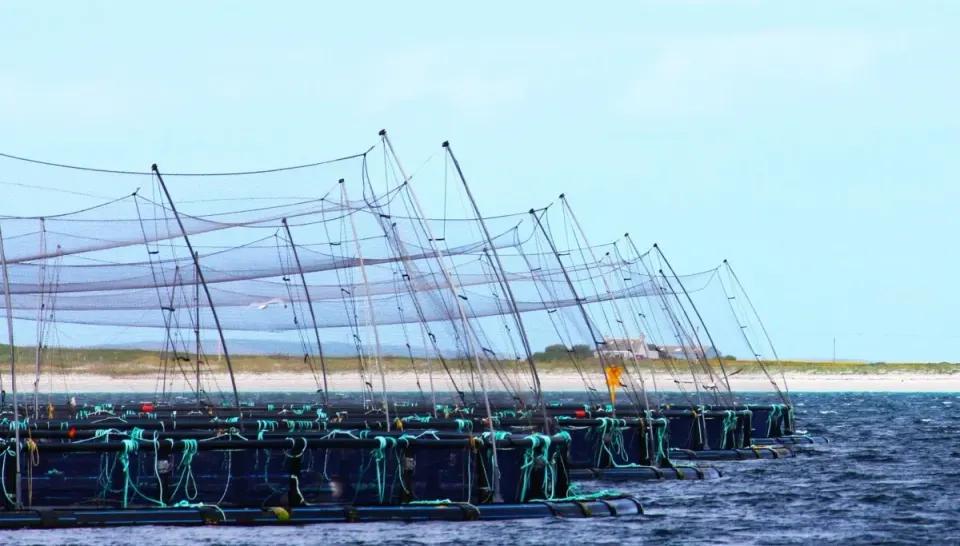
Scottish salmon farmer Cooke Scotland reported a 49% fall in net profit to £6.1 million in 2025, down from £12 million in 2024, as a decline in salmon prices more than offset higher sales volumes. Its parent, Cooke Aquaculture UK Holdings, saw an even steeper 60% profit decline. Feed costs and fuel remain key risk factors cited by directors in the annual report.
A series of typhoons in the Philippines has reduced July–September 2026 corn production by an estimated 14.4%, tightening regional feed grain availability and pushing up input cost risk for Southeast Asian feed manufacturers. CBOT December 2026 corn futures are trading around 529 USc/bu, while buyers consider alternative grains including millet.
A European Commission study completed in June 2026 estimates that feed demand for ten key farmed species in the EU grew from under 900,000 tonnes in 2013 to almost 1.1 million tonnes in 2023. The report identifies plant ingredients as now comprising the majority of material demand, while highlighting cost, scalability and regulatory hurdles facing alternative proteins and oils.
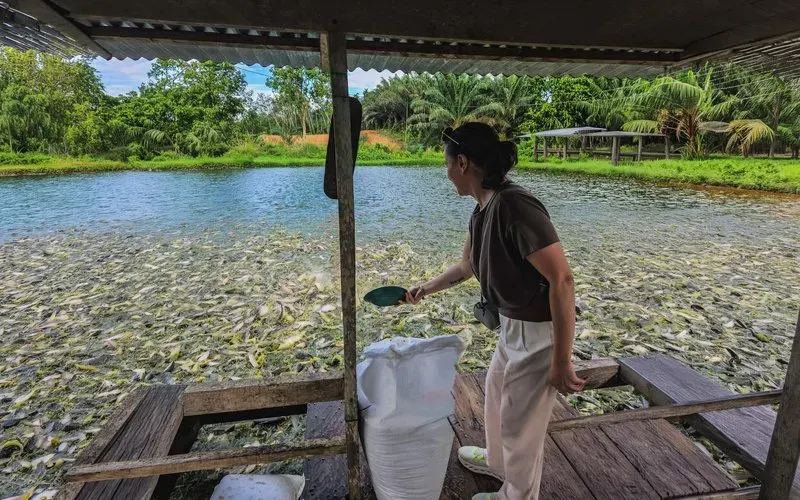
The Philippines is exploring a more diversified aquafeed ingredient base as El Niño, global supply disruptions, and import dependence increase pressure on conventional feed sources, according to Ateneo de Manila University associate professor Janice A. Ragaza.
A European Commission study completed in June 2026 estimates that feed demand for ten key farmed species in the EU grew from under 900,000 tonnes in 2013 to almost 1.1 million tonnes in 2023, while identifying plant ingredients, cost, regulation and supply-chain exposure as central challenges for the sector's future.
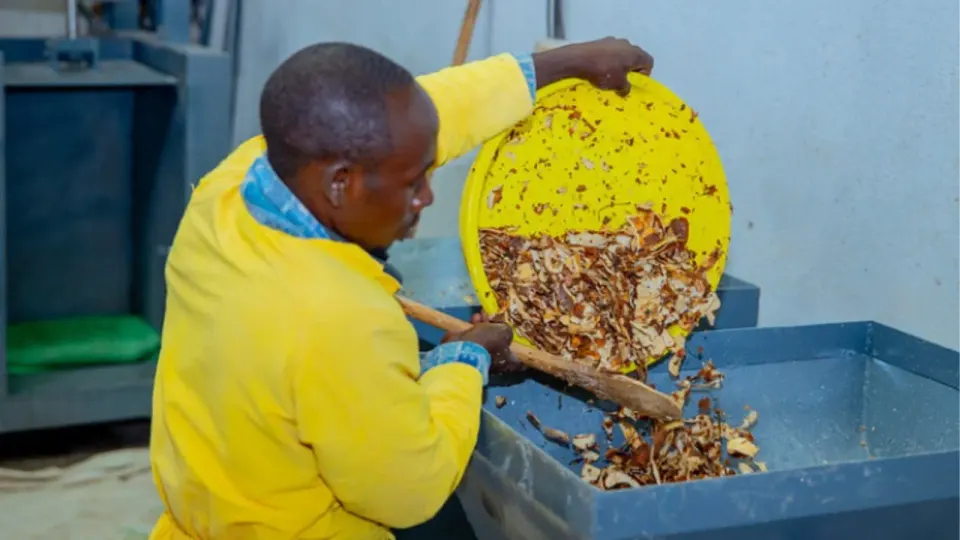
Rwanda-based Kabizu Business Group, with technical support from IITA Rwanda's RUNRES project, has developed a facility to process cassava peels into High-Quality Cassava Peels (HQCP), a locally produced animal feed ingredient aimed at reducing agricultural waste and the cost of conventional feed inputs.
An unprecedented drought in Austria has sharply reduced 2026 autumn crop yields, with potatoes down 50–70%, soybeans more than 50%, and grain maize nearly 30% versus the five-year average. The shortfalls are tightening feed ingredient and raw material availability for domestic processors and neighbouring EU markets, pushing up procurement costs for livestock producers and feed formulators.
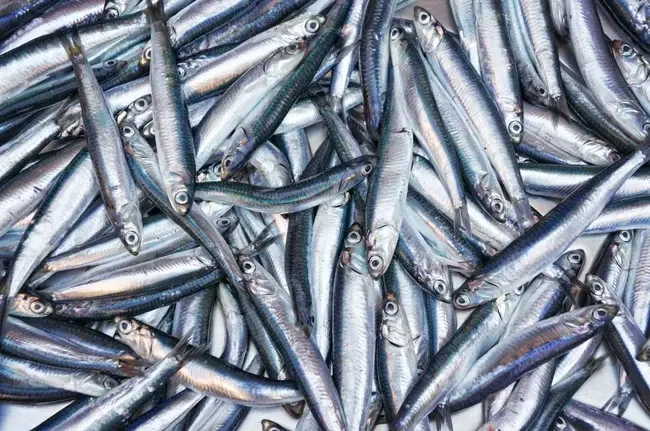
Cumulative global fishmeal production fell 49% year-on-year in the first seven months of 2026, with fish oil output down 30%, driven by shortfalls in South America and weaker catches in Africa and Northern Europe. IFFO says Asian producers may partially offset the decline in Q4, but demand headwinds in China's aquaculture and pig sectors are weighing on recovery prospects.
Global fishmeal production dropped 49% year on year in the first seven months of 2026 as El Niño-linked warm waters and juvenile fish disrupted Peru's anchoveta season, with fish oil output also falling 30%. IFFO says Asian fishing activity in Q4 may partially offset the South American shortfall.