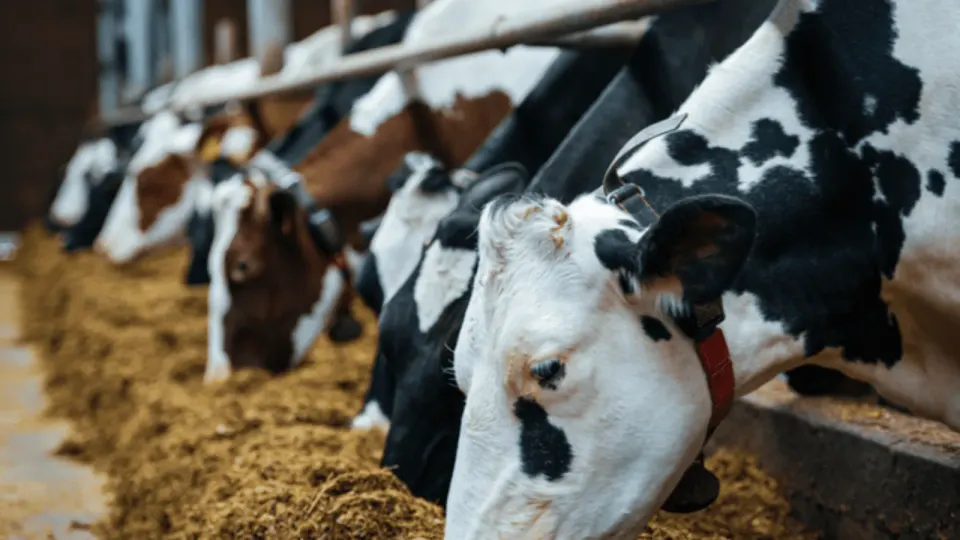
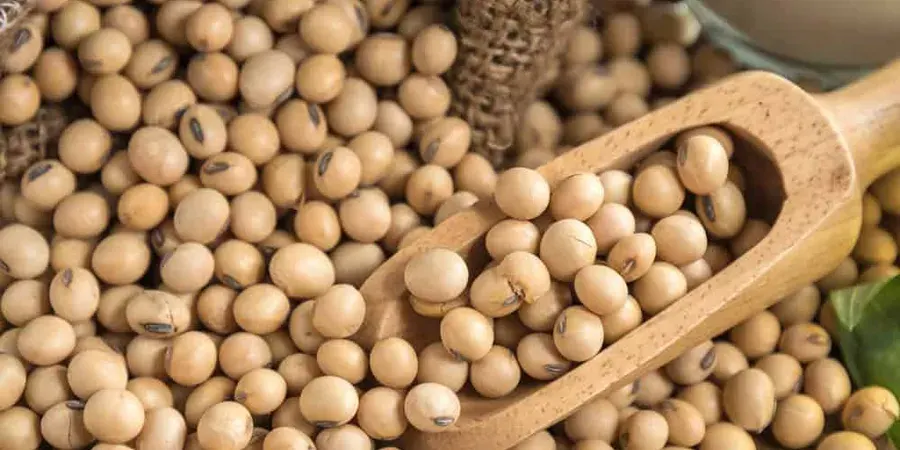
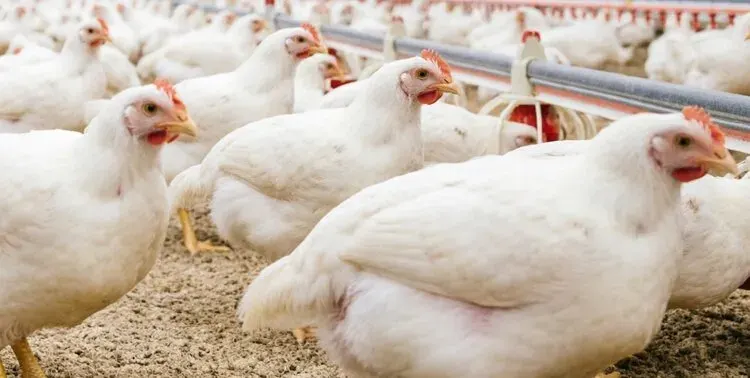
Animal feed prices in Bangladesh have climbed nearly 7% since early August 2026, driven by sharp rises in corn, soybean meal and rice bran costs. Feed mills say they are still absorbing losses despite two price increases, while poultry farmers are cutting production and protests have erupted in several districts.
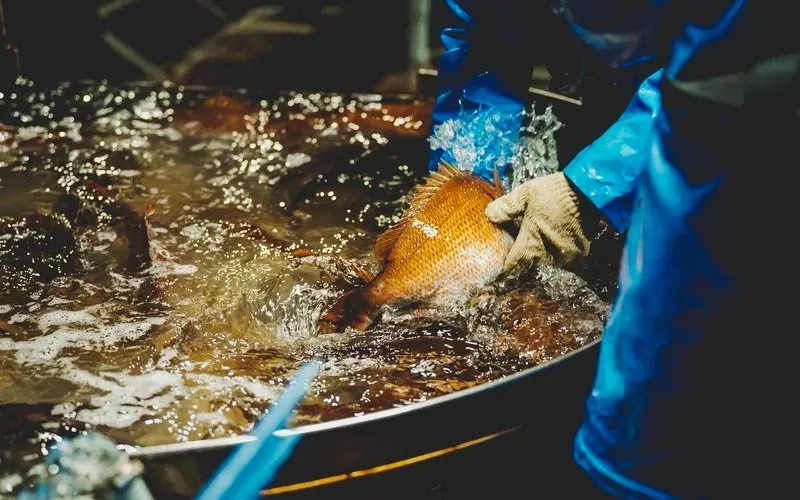
Japan's Dainichi Corporation is competing in the F3 Fish Farm Challenge 2025–2027, raising red seabream from juvenile stage to harvest on a diet free of marine-animal ingredients. The company is using soy protein concentrate and black soldier fly meal as principal alternatives, has invested in ingredient supplier Protenga, and is trialling AI-assisted feeding alongside hand feeding to optimise performance.
Malaysian palm oil futures fell around 2% on 25 September 2026, hitting their lowest levels since early August, as expectations of rising stocks above 3.1 million tonnes and weak Indian import demand weighed on prices. Analysts warn that El Niño-related yield losses could tighten the global balance in 2027, capping longer-term downside.
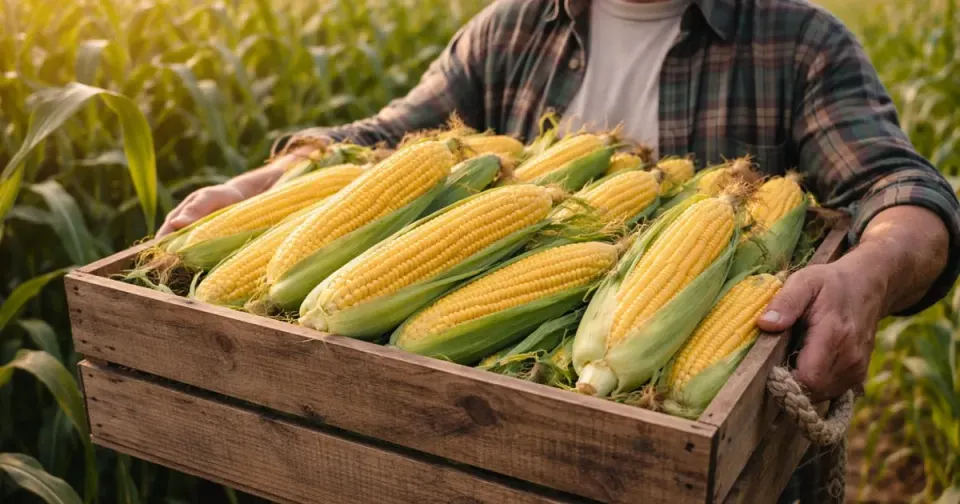
Indian organic starch corn FOB New Delhi has edged up to EUR 1.32/kg as a lagging kharif maize acreage, a weak monsoon backdrop and firm global corn sentiment keep sellers in a strong position. Black Sea and EU supply remain competitive but cannot fully offset the structural risk premium supporting Indian export-grade corn.
China has published a 1,619-tariff-line list of U.S. products eligible for consideration for lower tariffs, covering corn, wheat, cotton, beef, pork, dairy and ethanol, but notably omitting commercial (non-seed) soybeans and distillers dried grains with solubles (DDGS). Actual tariff reductions remain pending domestic legal processes in each country, and the widely cited "30-for-30" figures represent a 2024 trade valuation benchmark rather than a purchasing or savings commitment.
BASF has confirmed it is holding exploratory discussions with Evonik Industries AG and major Evonik shareholder RAG-Stiftung regarding a potential takeover of Evonik. The announcement, made on 25 September 2026, marks an early-stage development with no financial terms disclosed and the outcome described as open. The possible combination is relevant to the animal nutrition and feed ingredient sectors given Evonik's significant role in specialty amino acid production.
Ukrainian wheat prices remain depressed but stable as Black Sea export logistics keep volumes well below capacity, while German feed wheat trades sideways at elevated levels. The discount of Ukrainian origins to Western European benchmarks is expected to persist into early October 2026.
Agricultural commodity futures posted sharply divergent results in the week ending 25 September 2026, with November soybeans gaining 15½ cents to $13.19 per bushel and November feeder cattle surging nearly $14, while wheat contracts fell as much as 27¾ cents. China trade developments, harvest-season supply pressure, and commodity-specific fundamentals drove the split outcomes, according to a weekly market analysis published by Ag Bull on 26 September 2026.
Ukrainian corn FOB and FCA prices at Odesa edged lower on 24 September 2026 as active Black Sea export flows kept seller competition intense, while French FOB corn firmed and German EXW values held broadly steady. CMB News expects mostly stable to mildly softer indications across Brazil, Germany and Ukraine over the next three days.
Vietnam has emerged as the top destination for Argentine soybean meal exports, overtaking Malaysia and Indonesia, while Argentina's soybean value chain generated US$21.44 billion in export revenue in 2025, with Vietnam ranking third overall among Argentina's soybean markets behind China and India.
The Philippine Department of Agriculture is reviewing broader use of millet in animal feed rations to reduce the country's dependence on corn as a very strong El Niño, projected to persist into the first half of 2027, raises the risk of drought-related supply shocks. While corn remains the dominant feed grain, any large-scale millet adoption could gradually temper growth in Philippine corn import demand, a development international exporters are beginning to monitor.
A Chinese study published in September 2026 reports that single-cell protein derived from the bacterium Ralstonia eutropha H16 can substitute soybean meal in broiler chicken diets at inclusion levels up to 8%, maintaining growth performance while improving antioxidant capacity, immune status, and gut health.