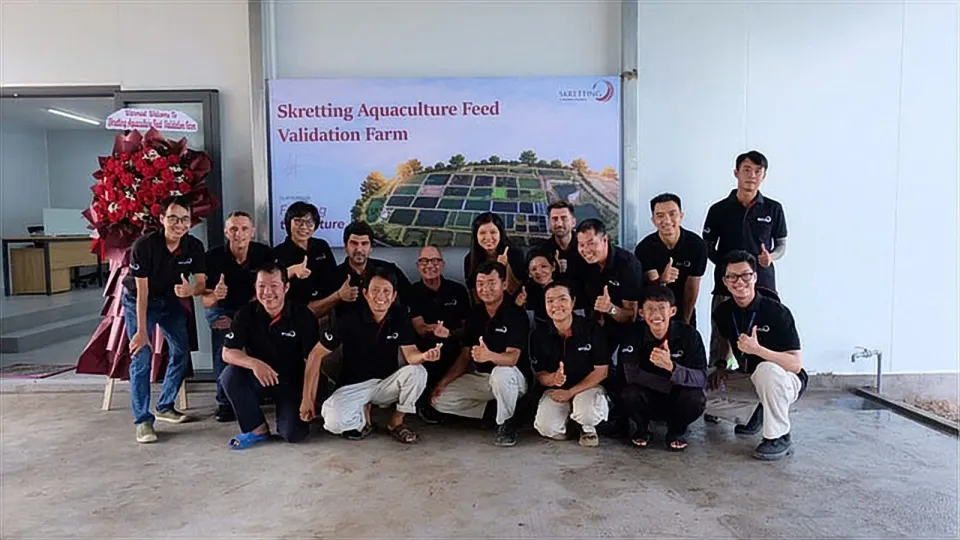
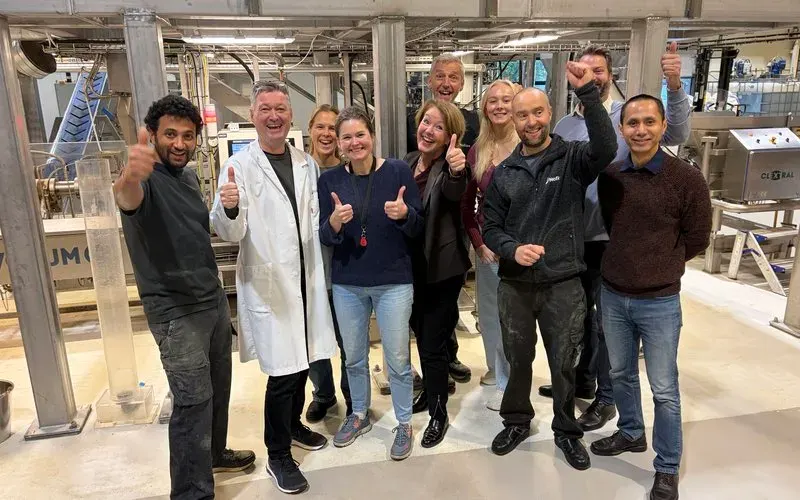
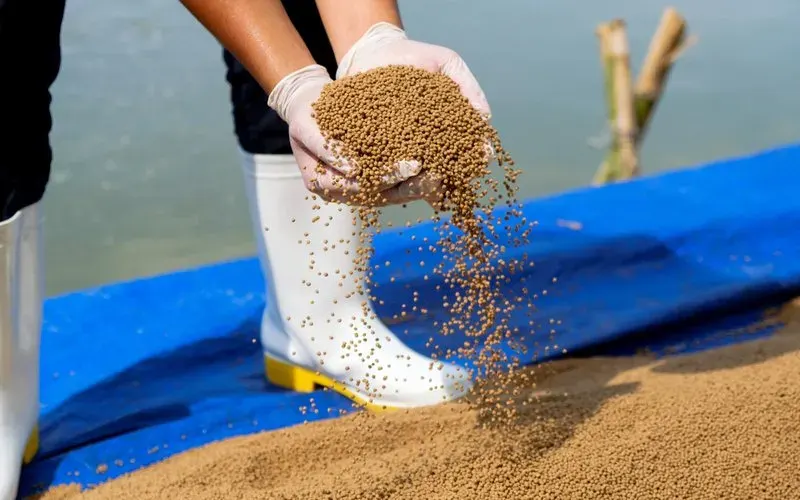
Skretting Vietnam has soft-launched a dedicated Aquaculture Feed Validation Farm designed to support structured feed research and product validation across fish and shrimp species, with potential reach across Southeast Asia and the company's global innovation network.
ACTIPRO, the animal nutrition brand of VEOS Group, and European feed manufacturer VERONESI have announced a strategic partnership to integrate upcycled egg powder into aquaculture feed formulations. The collaboration, unveiled at the Aquaculture Europe 2026 conference in Ljubljana, Slovenia, creates a closed-loop supply chain in which egg by-products from the Veronesi Group are processed by ACTIPRO into a functional egg powder and returned to VERONESI for inclusion in its aqua feed lines.
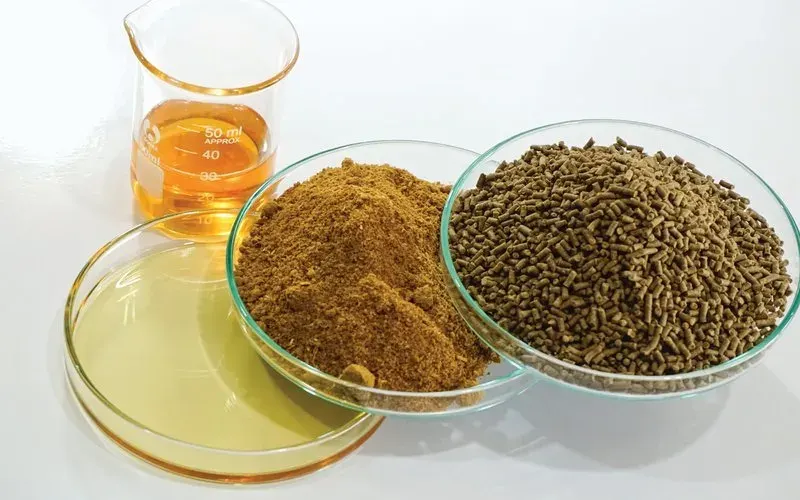
A peer-reviewed study by researchers from the University of Porto, CIIMAR, and the University of Florence, in collaboration with EPAX®, found that fatty acid ethyl ester (FAEE) oil — a byproduct of omega-3 supplement production — can completely replace fish oil in juvenile European seabass diets without impairing growth, feed utilization, or nutrient digestibility. However, the substitution significantly reduced muscle DHA levels, pointing to a potential nutritional quality trade-off that may require mitigation.
France-based Innovafeed and Dutch company Protix have jointly published a white paper arguing that current life cycle assessments of insect-derived feed ingredients rely on outdated pilot-scale data and fail to capture real-world sustainability gains already achieved at industrial scale, including a reduction in Innovafeed's carbon intensity by a factor of five since 2022.
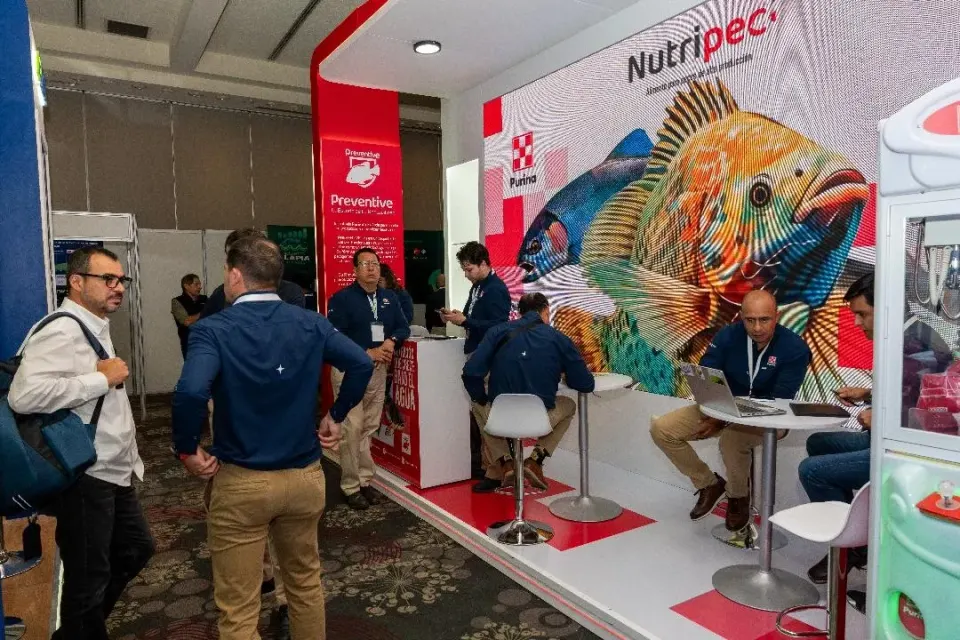
Cargill Animal Nutrition & Health presented an updated Nutripec™ portfolio of 13 aquafeed products for tilapia, catfish, and trout at Expo Tilapia México 2026, also introducing redesigned packaging aimed at better preserving nutrients during storage and transport.
Norwegian technology company Goodtech has been awarded a contract valued at NOK 20–30 million (USD 2.1–3.2 million) to upgrade digital control and automation systems at an aquafeed production facility in Norway. Work begins in September 2026 and is expected to finish by April 2027.
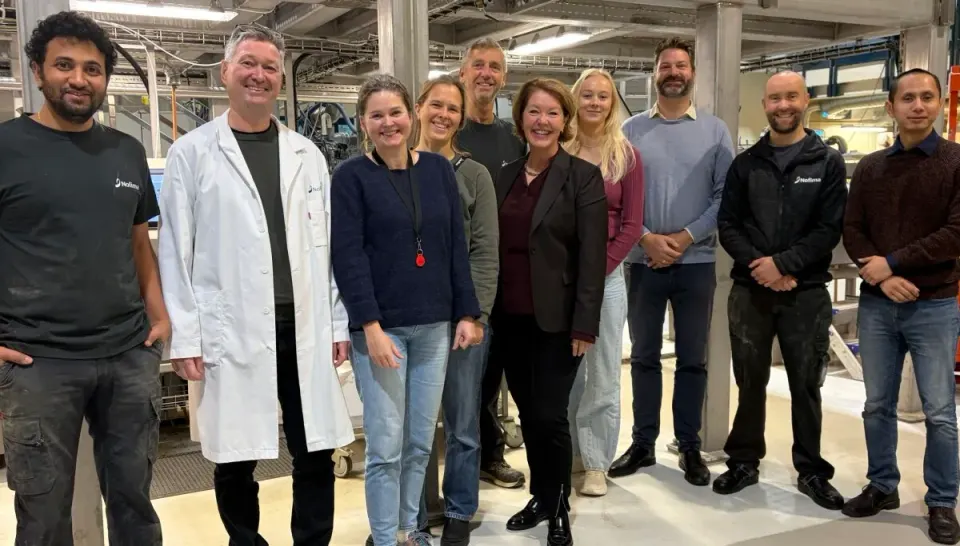
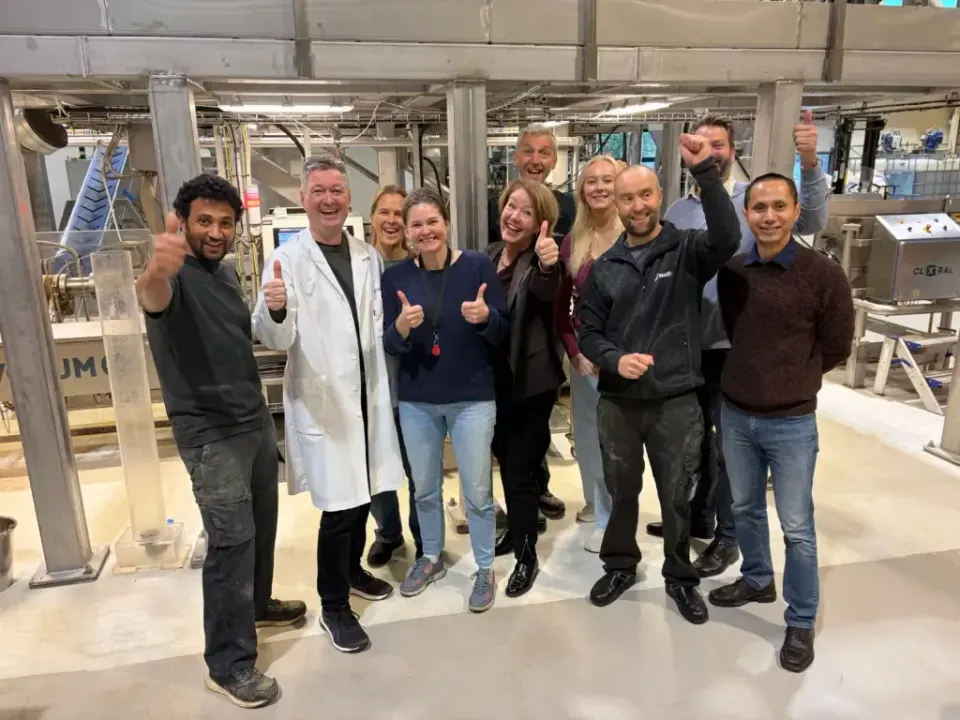
The Research Council of Norway has awarded NOK 58.851m (£4.62m) to a consortium led by Nofima, NORCE, and the University of Bergen to develop a second phase of the Aquafeed Technology Centre, strengthening Norway's national research infrastructure for sustainable aquafeed ingredient development and testing.
China's National Health Commission and the State Administration for Market Regulation jointly released a package of 50 national food safety standards and amendment sheets on 22 September 2026, including new analytical methods for mycotoxins and contaminants relevant to feed and food supply chains. The standards were formally issued on 18 August 2026 with implementation dates running from February to August 2027.
The Research Council of Norway has awarded NOK 1.24 billion (€110 million) across 18 projects to strengthen national research infrastructure, with Nofima's Aquafeed Technology Centre among the recipients. The funding will support Phase II of the centre, expanding Norway's capacity to develop and test aquafeed raw materials and ingredients.
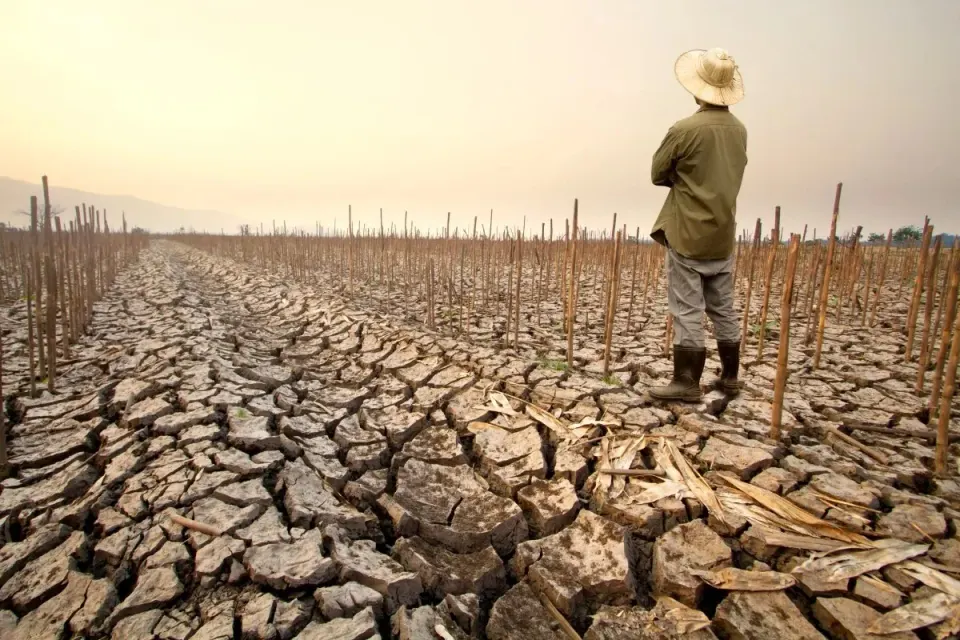
A strengthening El Niño event, combined with fertilizer shortages, geopolitical tensions, and elevated energy costs, could push global food and feed commodity prices up by 14–16%, according to procurement consultancy Beroe. Key feed ingredients including corn, vegetable oils, and sugar face varying levels of supply and price risk, with the full market impact potentially not materialising until 2028.
The Research Council of Norway has selected the Aquafeed Technology Centre Phase II for funding as part of a NOK 1.24 billion (USD 130 million) investment in 18 national research infrastructure projects. Led by Nofima in collaboration with the University of Bergen and NORCE, the expanded centre will develop capacity to process, formulate and evaluate new feed raw materials and ingredients for aquaculture and other bio-based industries.
A European Commission study completed in June 2026 estimates that feed demand for ten key farmed species in the EU grew from under 900,000 tonnes in 2013 to almost 1.1 million tonnes in 2023. The report identifies plant ingredients as now comprising the majority of material demand, while highlighting cost, scalability and regulatory hurdles facing alternative proteins and oils.