Loading…
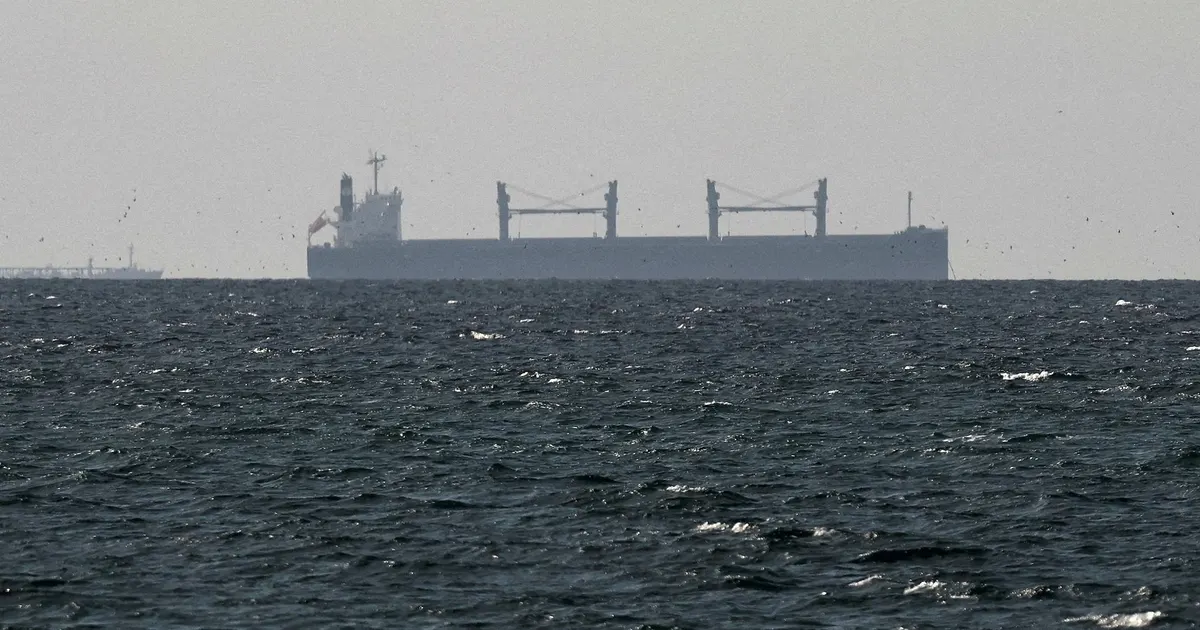
Oil fell about 9% on Friday after Iran declared the Strait of Hormuz open, easing supply fears. Trump said the US would recover enriched uranium at a leisurely pace while talks on a memorandum to end the war continued.
A US military blockade of Iran remains in effect.
Reopening Hormuz eases the geopolitical risk premium and tightens-to-loosens physical crude flows, pushing energy prices lower. Lower diesel and crude costs also ease feed transport and fertilizer input pressures, while the blockade keeps the reversal risk alive.
 reuters.comGeorgina MccartneyApr 17, 2026
After 255 past bearish geopolitics events, Crude Oil (WTI) moved a median -2.4% over 5 sessions (31% higher; middle half -7.0% to +1.7%), and -5.0% over 20.
After 250 past bearish geopolitics events, Crude Oil (Brent) moved a median -3.1% over 5 sessions (36% higher; middle half -7.9% to +1.6%), and -5.5% over 20.
After 51 past bearish geopolitics events, ULSD / Diesel moved a median -2.4% over 5 sessions (37% higher; middle half -8.2% to +3.9%), and -2.3% over 20.
After 15 past bearish geopolitics events, Natural Gas moved a median -1.1% over 5 sessions (40% higher; middle half -9.2% to +2.4%), and +4.7% over 20.
Moves of each commodity's benchmark from the last close before the event. Historical reads pool past events of the same kind; they describe what happened, not what will. Not investment advice.
Iran declaring the Strait of Hormuz open on Apr 17 eased supply-disruption fears and drove the ~9% one-day Brent drop directly.
Oil settled down about 9% on Friday as Hormuz reopening eased supply fears, directly within the 5-day window.
