Loading…
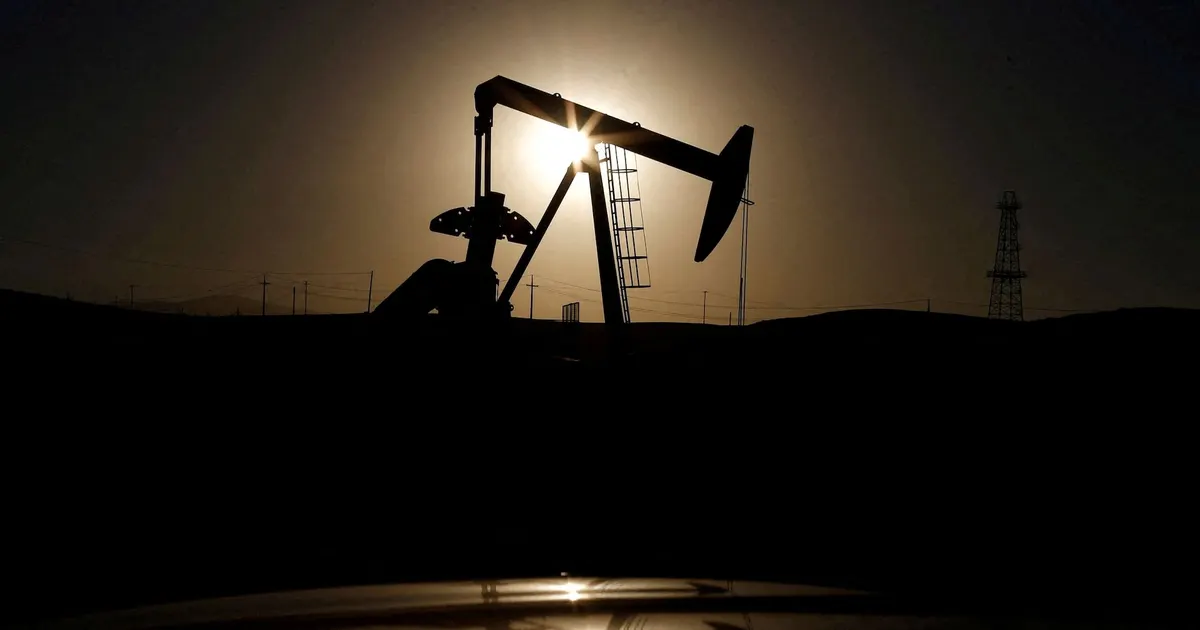
Oil prices spiked and then crashed in March 2022, driven by medium-term fundamentals, strain from disruption to Russian oil exports, and thin market liquidity. The short-term trigger for the sell-off was improved prospects for a truce between Russia and Ukraine.
Extreme crude volatility transmits directly into diesel and energy costs for feed mills and farms, and a Russia-Ukraine truce would ease supply fears that had supported grain and oilseed prices.
 reuters.comJohn KempMar 17, 2022
After 255 past bearish geopolitics events, Crude Oil (WTI) moved a median -2.4% over 5 sessions (31% higher; middle half -7.0% to +1.7%), and -5.0% over 20.
After 250 past bearish geopolitics events, Crude Oil (Brent) moved a median -3.1% over 5 sessions (36% higher; middle half -7.9% to +1.6%), and -5.5% over 20.
After 51 past bearish geopolitics events, ULSD / Diesel moved a median -2.4% over 5 sessions (37% higher; middle half -8.2% to +3.9%), and -2.3% over 20.
Moves of each commodity's benchmark from the last close before the event. Historical reads pool past events of the same kind; they describe what happened, not what will. Not investment advice.
The sell-off was triggered by improved truce prospects and aggravated by thin liquidity, explaining the sharp collapse.
Explains the crash as unwinding of a spike on thin liquidity, with improved truce prospects as the trigger.
The sell-off was attributed to improved truce prospects and thin liquidity, which amplified the downward move.
The mid-March sell-off on truce hopes created the depressed starting level, so the following rebound was large in percentage terms.
