Loading…
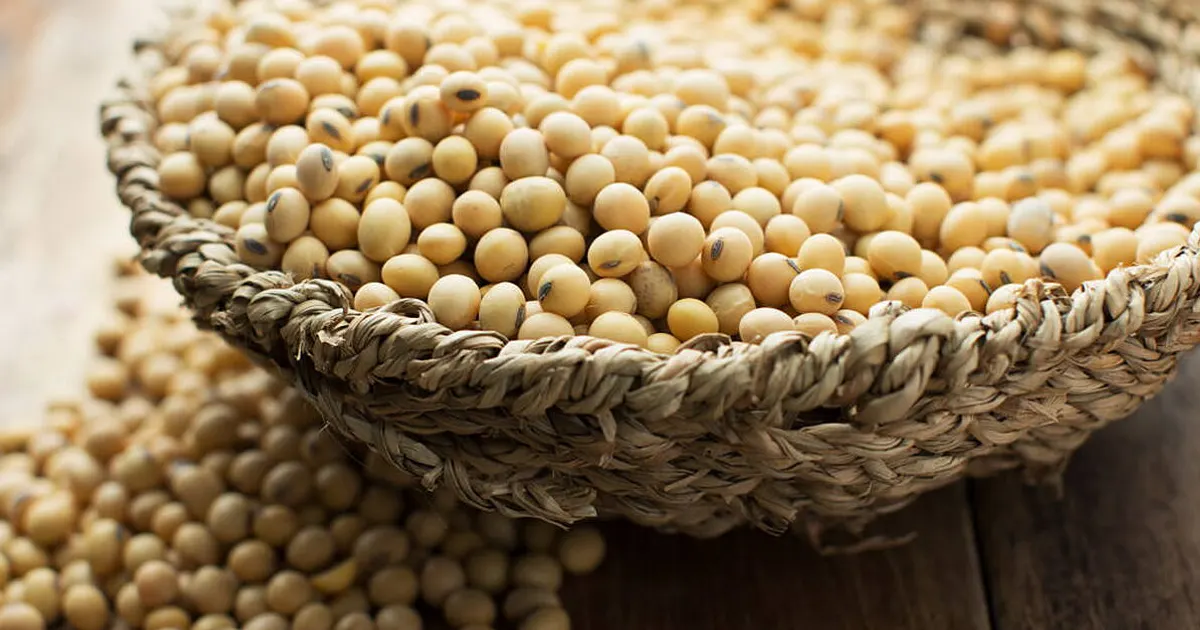
China's soyoil prices rallied to their highest in more than two years in early November as consumers shifted to vegetable oils amid a national pork shortage from African swine fever. Tianjin soybean oil reached 6,500 yuan per tonne on November 4, its highest since March 2017.
Low soybean inventories, slowed imports amid US tariffs, also supported prices.
Pork shortages are boosting demand for vegetable oils and substitute proteins while tight soyoil stocks limit supply, supporting soyoil and palm oil prices and adding to feed-protein demand uncertainty.
 esmmagazine.comDayeeta DasNov 5, 2019
After 13 past disease events, Soybean Oil moved a median -0.3% over 5 sessions (38% higher; middle half -2.3% to +1.2%), and -4.6% over 20.
After 16 past disease events, Palm Oil moved a median +0.3% over 5 sessions (56% higher; middle half -3.2% to +1.5%), and -7.7% over 20.
After 12 past bullish disease events, Soybeans moved a median -0.5% over 5 sessions (42% higher; middle half -1.6% to +0.1%), and +0.5% over 20.
After 69 past neutral disease events, Live Cattle moved a median -0.1% over 5 sessions (42% higher; middle half -0.8% to +0.6%), and +0.9% over 20.
Moves of each commodity's benchmark from the last close before the event. Historical reads pool past events of the same kind; they describe what happened, not what will. Not investment advice.
Chinese soyoil at two-year highs on pork shortage and low soy stocks lifts the vegetable oil complex and palm demand.
