U.S. Trade Representative Jamieson Greer said on October 1, 2026, that there is no set timetable for implementing proposed tariff reductions covering roughly $60 billion in U.S.-China trade, citing required legal and public comment processes. The announcement tempers expectations raised by a September 27 agreement, and leaves key agricultural commodities — including non-seed soybeans — facing continued uncertainty.
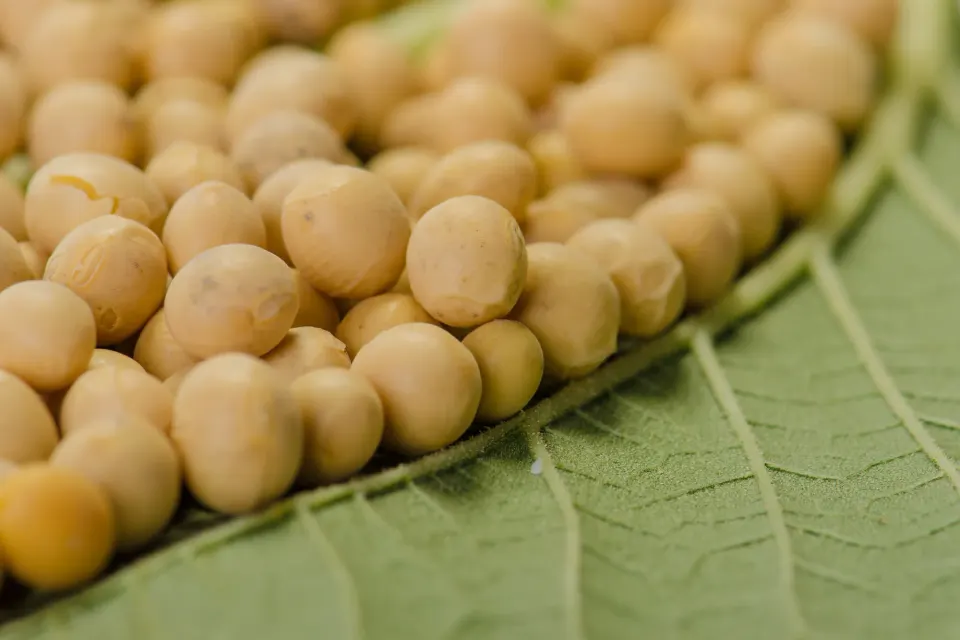
The United States and China have agreed to pursue reciprocal tariff reductions covering $60 billion worth of goods, including US corn, wheat and meat as well as Chinese consumer products, following a presidential summit in Washington. Non-seed soybeans — the largest US agricultural export to China — were excluded from China's list, prompting criticism from the American Soybean Association and a sharp drop in Chicago soybean futures. The two sides also extended their trade truce through to 10 January and agreed on an agriculture working group.
China's soybean import demand is expected to ease in the coming months as private crushers face negative crush margins and weak feed demand linked to shrinking hog herds. Soybeans were excluded from tariff relief announced after the Xi-Trump summit, keeping US cargoes uncompetitive with South American supplies. Domestic inventories at Chinese crushing plants have reached a 15-year high.
Malaysian palm oil futures fell around 2% on 25 September 2026, hitting their lowest levels since early August, as expectations of rising stocks above 3.1 million tonnes and weak Indian import demand weighed on prices. Analysts warn that El Niño-related yield losses could tighten the global balance in 2027, capping longer-term downside.
China has published a 1,619-tariff-line list of U.S. products eligible for consideration for lower tariffs, covering corn, wheat, cotton, beef, pork, dairy and ethanol, but notably omitting commercial (non-seed) soybeans and distillers dried grains with solubles (DDGS). Actual tariff reductions remain pending domestic legal processes in each country, and the widely cited "30-for-30" figures represent a 2024 trade valuation benchmark rather than a purchasing or savings commitment.
U.S. Trade Representative Jamieson Greer said on 25 September 2026 that a bilateral Board of Trade agreement with China would protect selected agricultural exports from future tariff retaliation, with full details expected on 28 September. The trade truce has also been extended through January 2027, but an unresolved Section 301 overcapacity investigation could complicate the arrangement.
China's state grain reserve operator Sinograin has resumed large-scale soybean auctions, including a tranche of around 543,000 tonnes of 2023–2025 crop beans, in a move analysts say is designed to rotate aging stocks and free silo capacity ahead of potential fresh US arrivals. With China estimated to be roughly halfway toward a 25 MMT US soybean purchase commitment, market participants are closely watching upcoming high-level US–China talks for any signal on tariff relief, which could quickly accelerate buying and tighten US export capacity.