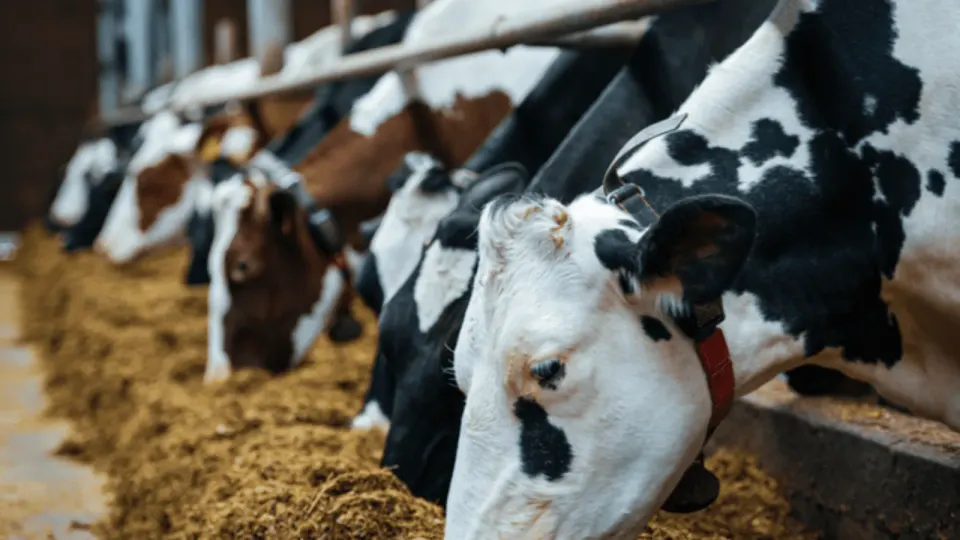
A peer-reviewed study in the journal Animals finds that soybean variety, growing location, crop year, and relative maturity can materially shift crude protein and amino acid profiles in southern Illinois soybeans, altering modeled soybean meal quality and livestock diet formulation outcomes for both ruminants and non-ruminants.
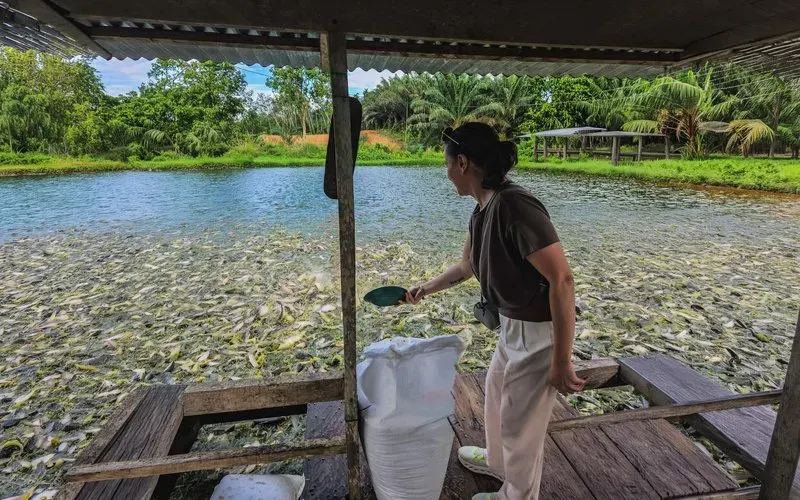
A 60-day feeding trial published in Veterinary Sciences found that replacing fishmeal in red tilapia diets with a blend of Azolla microphylla meal and soybean meal progressively reduced growth performance and worsened feed conversion as replacement rose from 25% to 75%, while fillet essential amino acid content held up through moderate levels but fell significantly at the highest inclusion rate.
Animal feed prices in Bangladesh have climbed nearly 7% since early August 2026, driven by sharp rises in corn, soybean meal and rice bran costs. Feed mills say they are still absorbing losses despite two price increases, while poultry farmers are cutting production and protests have erupted in several districts.
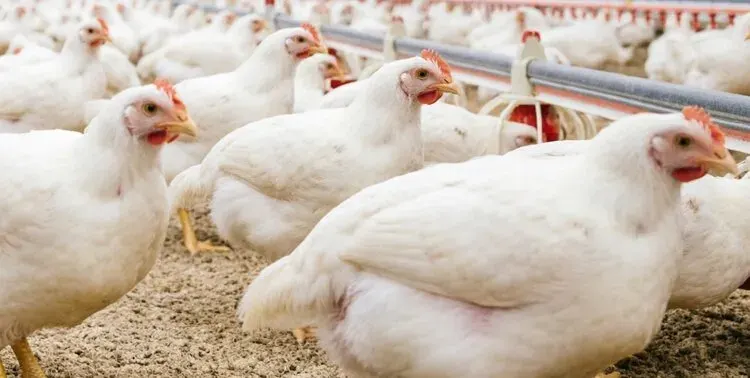
A Chinese study published in September 2026 reports that single-cell protein derived from the bacterium Ralstonia eutropha H16 can substitute soybean meal in broiler chicken diets at inclusion levels up to 8%, maintaining growth performance while improving antioxidant capacity, immune status, and gut health.
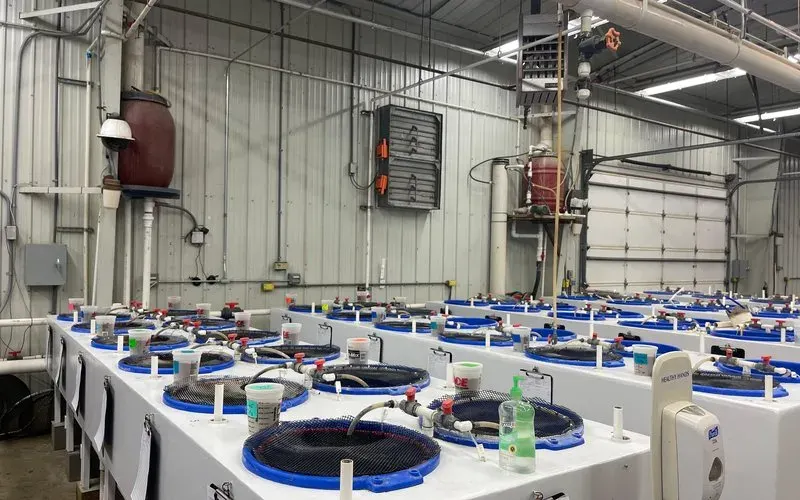
A multi-institution US study published in Aquaculture finds that adding 5% dried fish solubles to high-soybean meal diets significantly improved growth and selected fillet-quality traits in rainbow trout, with the effect driven primarily by increased voluntary feed intake rather than improved feed conversion.
The Philippines is exploring a more diversified aquafeed ingredient base as El Niño, global supply disruptions, and import dependence increase pressure on conventional feed sources, according to Ateneo de Manila University associate professor Janice A. Ragaza.
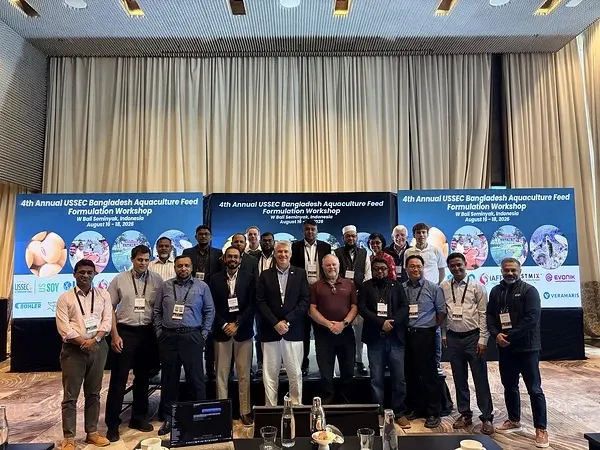
The U.S. Soybean Export Council convened two aquaculture feed formulation workshops in Bali in August 2026, bringing together commercial formulators and nutritionists from Bangladesh and eight Southeast Asian markets to build practical feed design skills around reliable ingredients including U.S. soy.