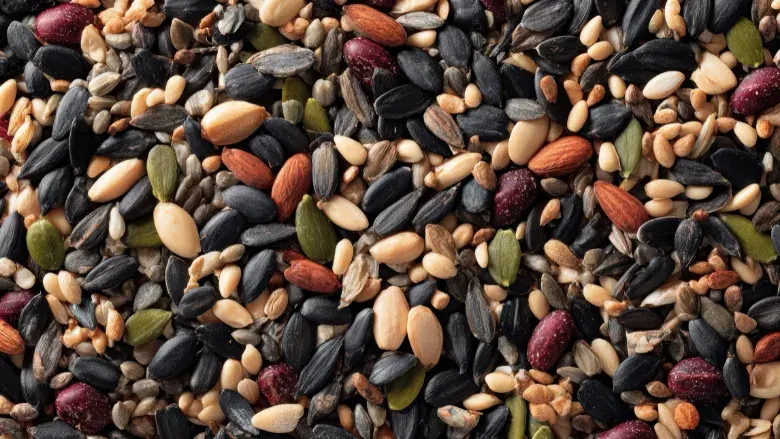
A peer-reviewed study in the journal Animals finds that soybean variety, growing location, crop year, and relative maturity can materially shift crude protein and amino acid profiles in southern Illinois soybeans, altering modeled soybean meal quality and livestock diet formulation outcomes for both ruminants and non-ruminants.
A 60-day feeding trial published in Veterinary Sciences found that replacing fishmeal in red tilapia diets with a blend of Azolla microphylla meal and soybean meal progressively reduced growth performance and worsened feed conversion as replacement rose from 25% to 75%, while fillet essential amino acid content held up through moderate levels but fell significantly at the highest inclusion rate.
A project led by the University of the Philippines Visayas and funded by DOST-PCAARRD has found that lemongrass and citronella essential oils show promise as natural, antibiotic-free feed additives for saline-tolerant tilapia, though researchers say further validation is needed before commercial application.
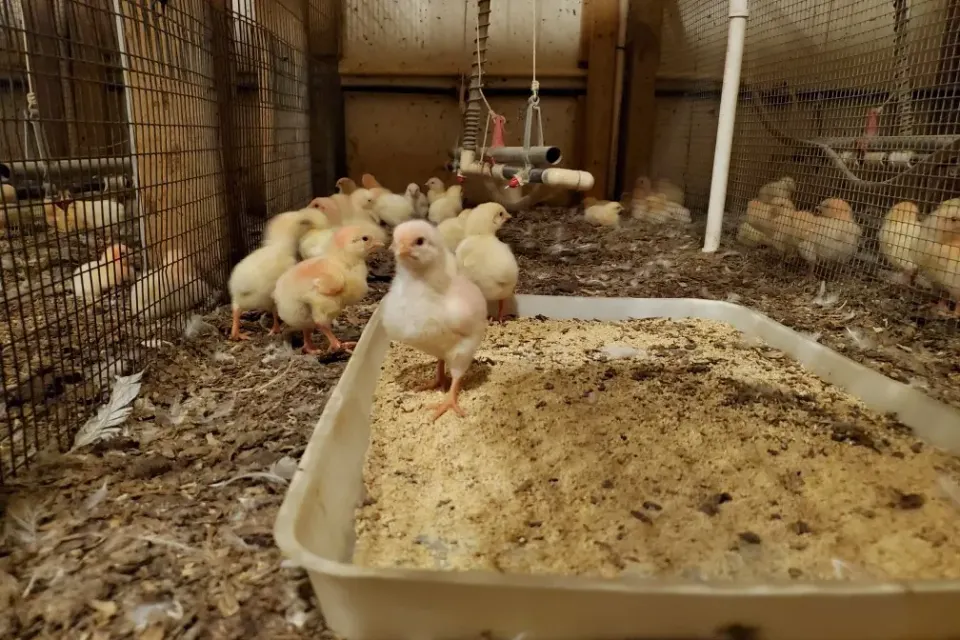
A Penn State University study published in Poultry Science found that a broiler chicken's age has a far stronger influence on its resistome than dietary additives such as antibiotics, probiotics, or essential oils, lending support to further investigation of antibiotic alternatives in poultry production.
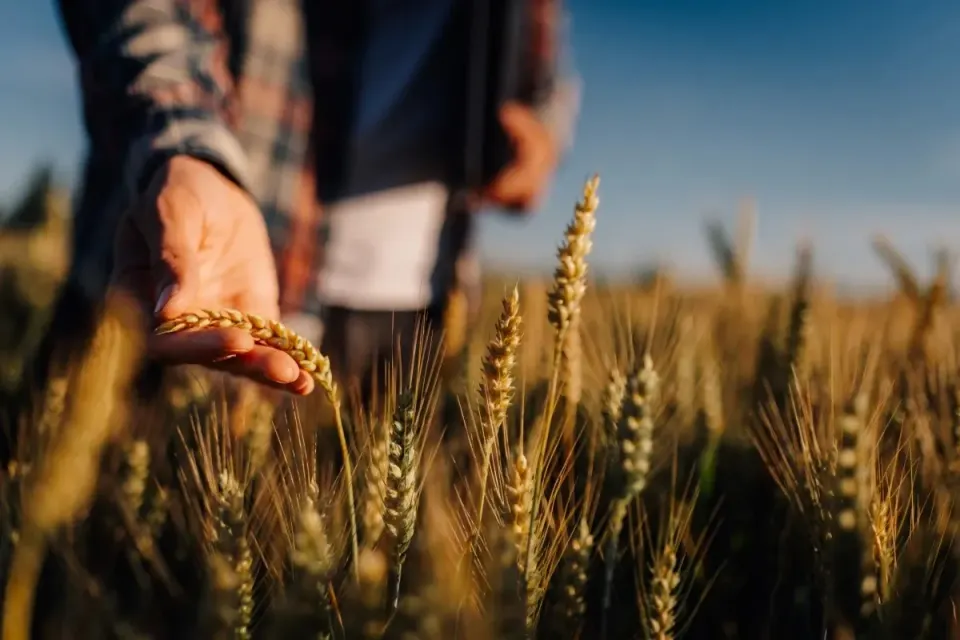
The Agriculture and Horticulture Development Board's final assessment of the UK's 2026 cereal harvest shows winter wheat averaging 6.9 t/ha — about 11% below the five-year average — while spring barley and oats also fell well short of benchmarks. Oilseed rape was the sole standout crop, yielding roughly 19% above its five-year average. AHDB warns that some arable farmers are now facing a second or third successive difficult harvest.
More than 622 people have fallen ill and two have died across three Salmonella Enteritidis outbreak clusters in the United Kingdom, with investigations pointing to imported eggs consumed at small food service establishments. European health authorities are also monitoring related cases across multiple countries.
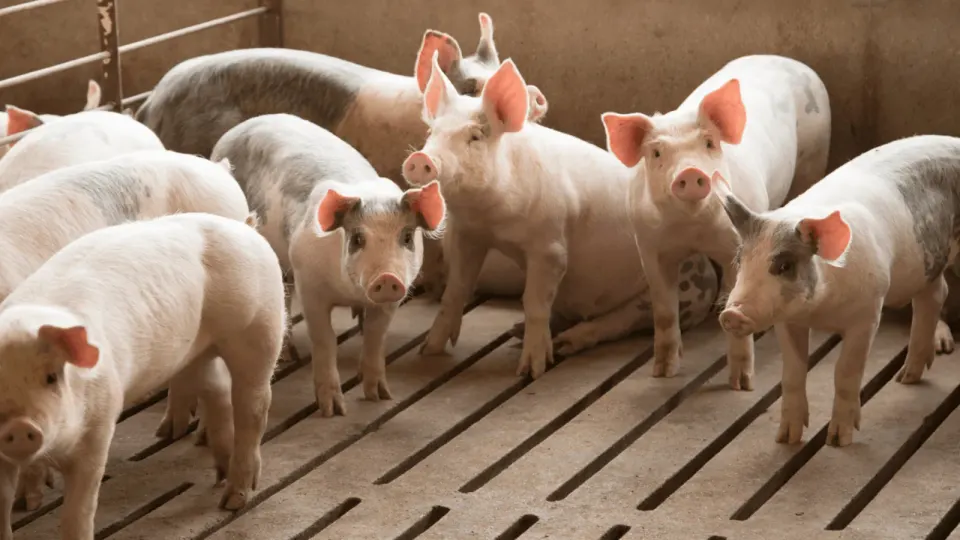
Nigerian authorities have called for an emergency response to an African swine fever outbreak in Ogun State, with a senior official urging coordinated action across veterinary bodies, state and federal government, including surveillance, movement controls, biosecurity and farmer compensation measures.
Scotland's environmental regulator SEPA has formally incorporated environmental DNA (eDNA) analysis into its regulatory process for monitoring seabed condition around salmon farms, cutting assessment time from around 16 weeks to around six weeks and allowing operators to use eDNA results as evidence of compliance.
A peer-reviewed analysis of 2,479 RASFF mycotoxin notifications from 2020 to 2024 by University of Córdoba researchers finds that aflatoxins drove 84% of recorded cases, with nuts, seeds, and products of non-EU origin accounting for the largest shares. The study cautions against reading notification counts as direct measures of contamination prevalence, but highlights persistent risk in a narrow set of commodity groups relevant to feed and food ingredient buyers.
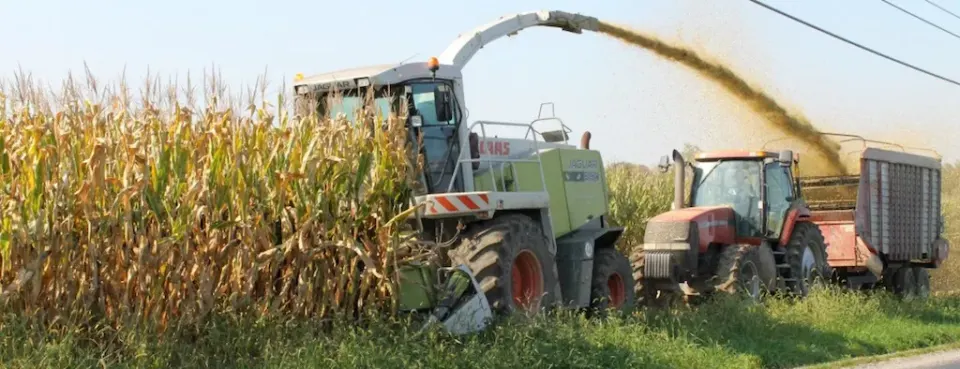
An Ohio State University Extension specialist says reports of Gibberella ear rot during the 2026 corn silage harvest indicate likely Deoxynivalenol (DON) and Zearalenone (ZEA) contamination, and urges dairy producers to sample feed now and again at feed-out, while reviewing storage and nutritional management practices to limit herd impacts.
A new analysis of EU RASFF data covering 2020–2024 finds that aflatoxins accounted for 84 percent of mycotoxin-related food and feed notifications, with products originating outside the EU implicated in 90 percent of cases. Researchers from the University of Córdoba and CSIC found no statistically significant long-term upward trend in notifications despite a record 663 in 2024.
India's food safety regulator FSSAI has notified the Food Safety and Standards (Laboratory and Sample Analysis) Amendment Regulations, 2026, introducing binding deadlines for laboratory analysis and formalising approved analytical methods. The rules take effect on 1 April 2027 and are relevant to imported food and feed products entering India.