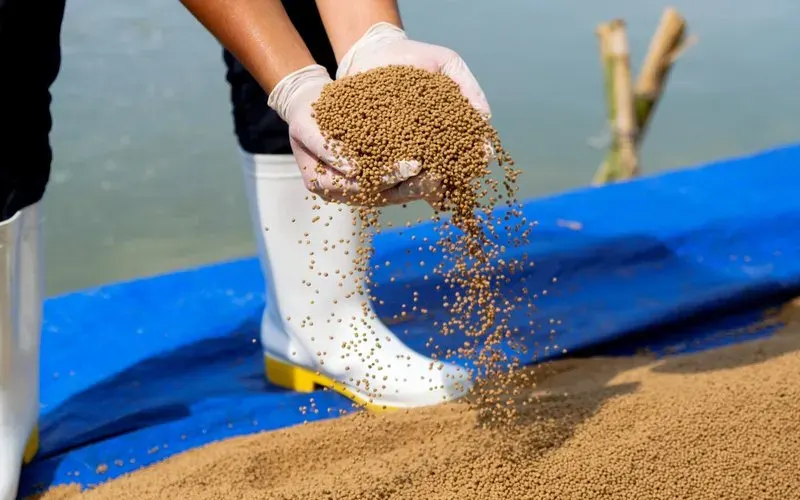
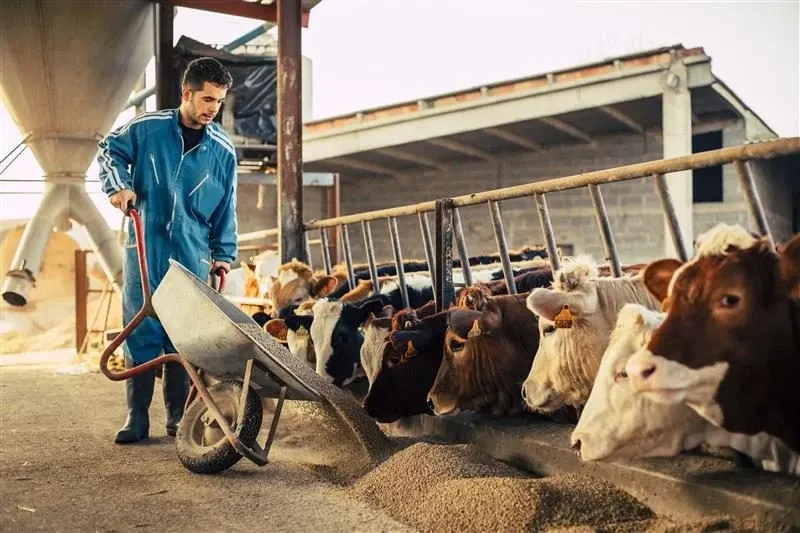
A market research report from Future Market Insights projects the global aquafeed market will grow from USD 66.7 billion in 2026 to USD 123.6 billion by 2036 at a 6.4% CAGR, driven by recurring commercial aquaculture demand. Conventional aquafeed is estimated to hold a 90% share of the nature category in 2026, while fish accounts for 36% of species-category demand.
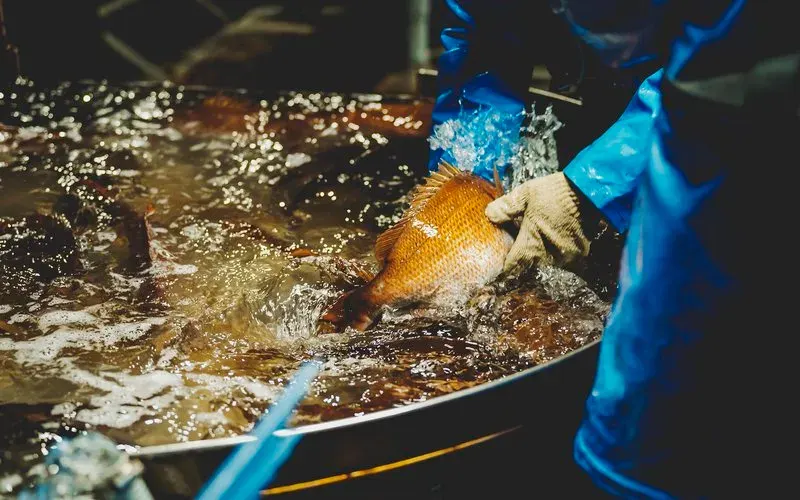
Japan's Dainichi Corporation is competing in the F3 Fish Farm Challenge 2025–2027, raising red seabream from juvenile stage to harvest on a diet free of marine-animal ingredients. The company is using soy protein concentrate and black soldier fly meal as principal alternatives, has invested in ingredient supplier Protenga, and is trialling AI-assisted feeding alongside hand feeding to optimise performance.
A European Commission study completed in June 2026 estimates that feed demand for ten key farmed species in the EU grew from under 900,000 tonnes in 2013 to almost 1.1 million tonnes in 2023. The report identifies plant ingredients as now comprising the majority of material demand, while highlighting cost, scalability and regulatory hurdles facing alternative proteins and oils.
A European Commission study completed in June 2026 estimates that feed demand for ten key farmed species in the EU grew from under 900,000 tonnes in 2013 to almost 1.1 million tonnes in 2023, while identifying plant ingredients, cost, regulation and supply-chain exposure as central challenges for the sector's future.
The South American rendering industry convened in Mendoza, Argentina, for the Reunion of the Americas (REAM) on 8–10 September 2026. Discussions centred on tightening fishmeal supply, surging export demand for Brazilian animal protein meals, shifting trade conditions for low-carbon feedstocks, and the growing interconnection of regional rendered-product markets.
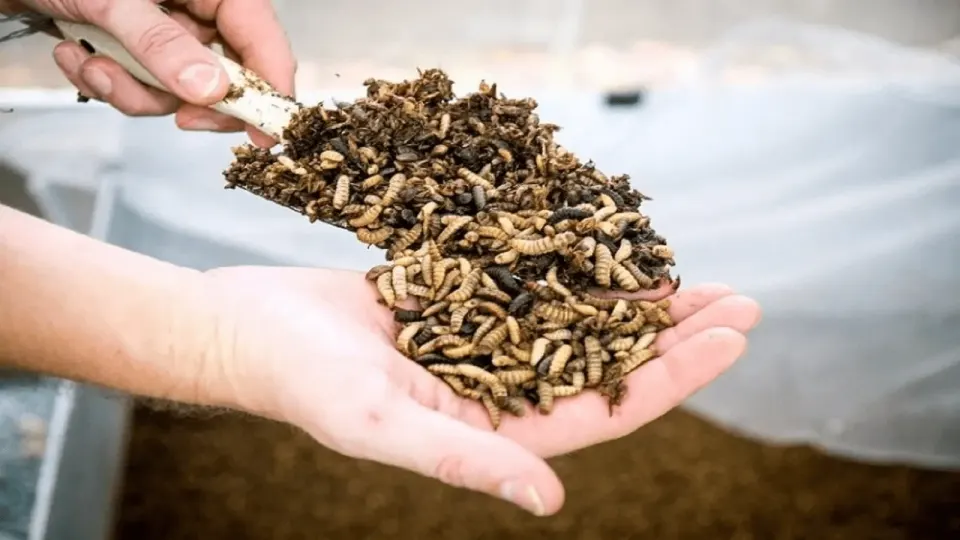
NRGene Canada has successfully reared black soldier fly larvae containing marine omega-3 fatty acids EPA and DHA by feeding the insects on fish-processing by-products from Ile-a-la-Crosse Fish Company, with the trial validated at semi-industrial scale in Saskatoon. The partners are now planning an on-site rearing facility in Saskatchewan.