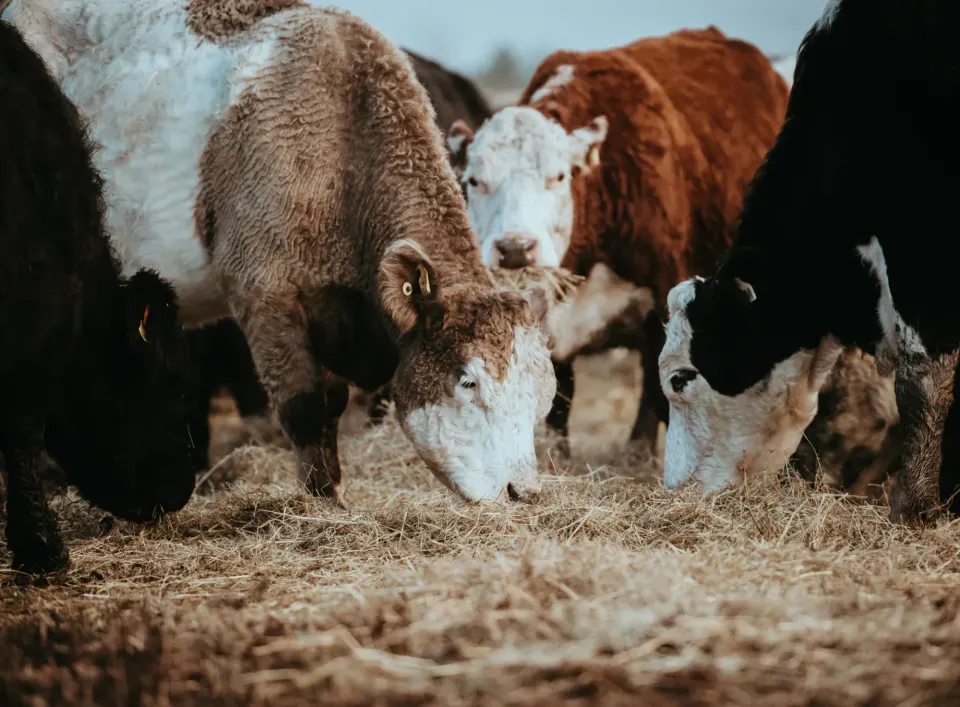
The U.S. hemp industry is looking to animal feed as a potential outlet for surplus biomass and processing byproducts, with research showing nutritional promise but cannabinoid residue concerns and fragmented regulation continuing to limit commercial uptake.
A peer-reviewed study in the journal Animals finds that soybean variety, growing location, crop year, and relative maturity can materially shift crude protein and amino acid profiles in southern Illinois soybeans, altering modeled soybean meal quality and livestock diet formulation outcomes for both ruminants and non-ruminants.
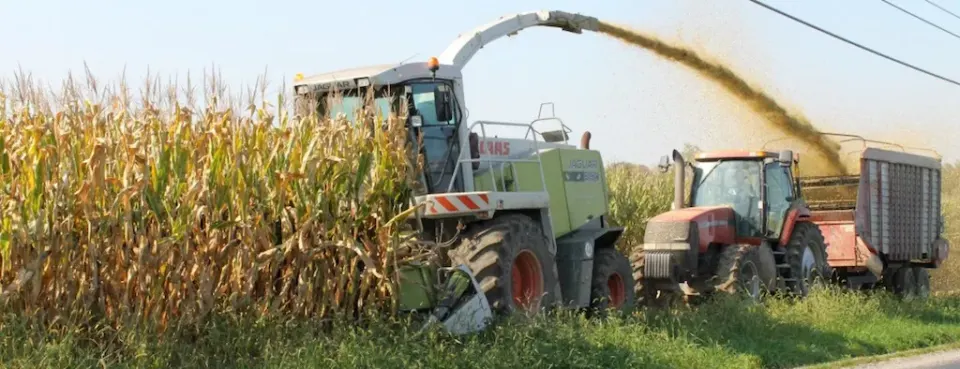
An Ohio State University Extension specialist says reports of Gibberella ear rot during the 2026 corn silage harvest indicate likely Deoxynivalenol (DON) and Zearalenone (ZEA) contamination, and urges dairy producers to sample feed now and again at feed-out, while reviewing storage and nutritional management practices to limit herd impacts.
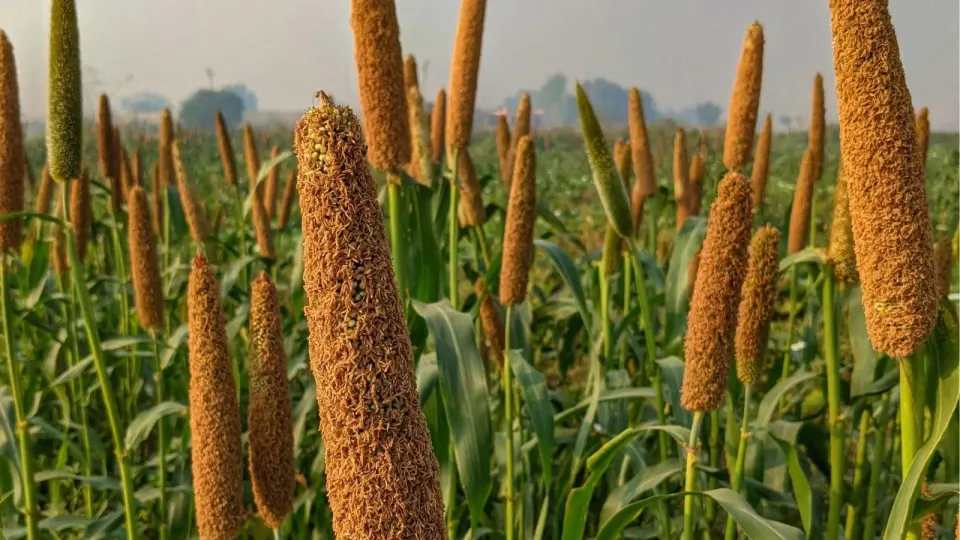
The Philippine Department of Agriculture is assessing millet as an alternative feed ingredient to corn, prompted by El Niño-related drought risks and a drive to lower livestock production costs, following Agriculture Secretary Francisco P. Tiu Laurel Jr.'s visit to India where the crop is widely used.
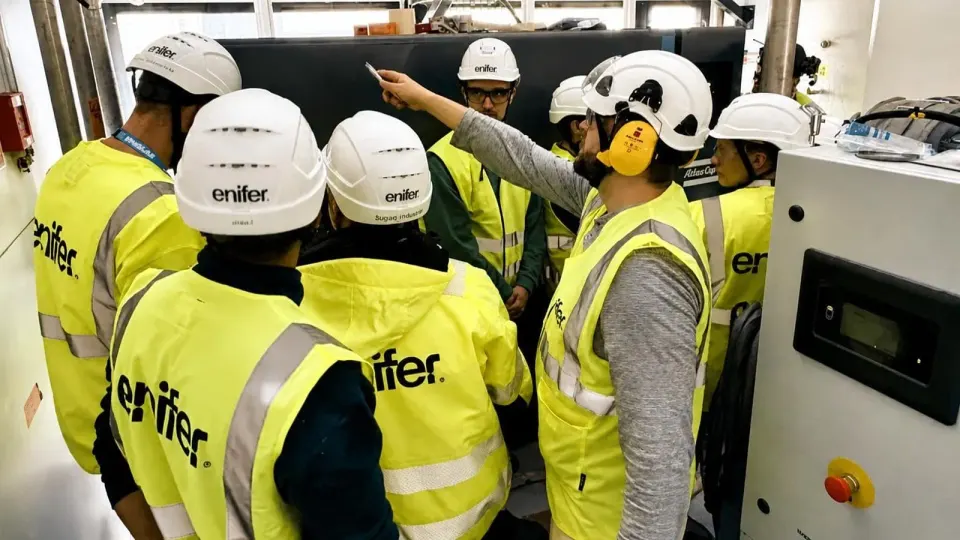
Finnish biotechnology company Enifer has started commissioning its first industrial-scale PEKILO® mycoprotein facility in Kantvik, Finland, with a planned output of 500 kg of dry mycoprotein per hour. The plant, funded partly through the EU's NextGenerationEU programme, aims to strengthen Finland's domestic protein supply for animal feed as the country's self-sufficiency in supplementary plant-based protein stands at only around 15%.
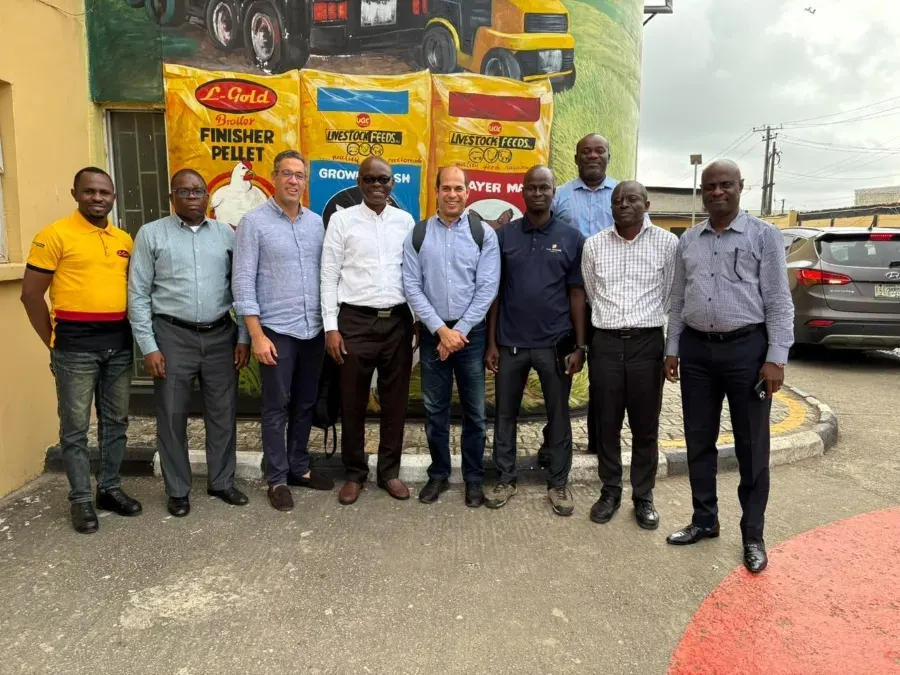
The U.S. Grains & BioProducts Council visited Nigerian feed industry stakeholders in September 2026 to promote least-cost formulation using U.S. corn, sorghum and co-products, including DDGS and corn gluten meal, ahead of an anticipated medium-term capacity increase of up to 1.5 million metric tons.