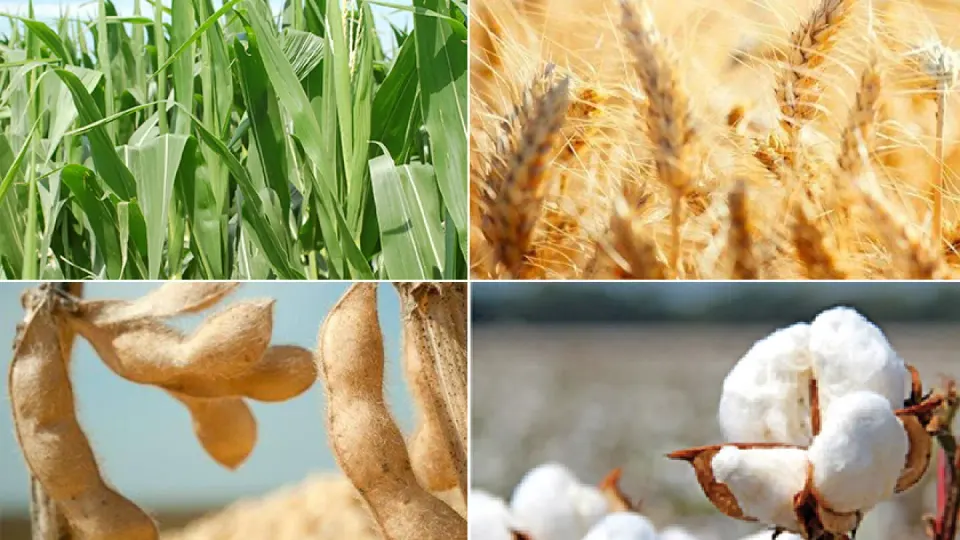
Heavy rainfall across the U.S. central and southern Plains is stalling winter wheat planting and interrupting corn and soybean harvest, while in Brazil, above-normal heat in key northern growing states is threatening early soybean planting. China's decision to cut tariffs on several U.S. agricultural commodities but leave soybeans under an additional 10% duty drove sharp losses in soybean futures on Monday.
U.S. grain futures rose in overnight trade on 30 September 2026 as markets positioned ahead of USDA's quarterly Grain Stocks report, a daily soybean export sale of 105,000 MT was reported, and the U.S. dollar index weakened. Analysts expect corn stocks to come in modestly below USDA's September WASDE figure, with attention focused on the Feed & Residual category.
Vylor, set to become independent from Corteva on 1 October 2026, and Belgian agricultural biotech startup Rainbow Crops have entered a collaboration to develop gene-edited corn traits using AI, multiplex genome editing, precision breeding, and automated phenotyping, targeting improved resilience to heat, drought, and flooding.
U.S. grain futures on September 25, 2026 finished near session highs after early selling pressure gave way to a recovery driven by a weaker dollar and trade-deal optimism. December corn edged up fractionally, November soybeans posted weekly gains on news of a U.S.-China trade subset agreement, while wheat futures ended the week lower amid a sustained price downtrend. Persistent Midwest rains are delaying harvest and tightening soybean supplies at processors.
Grain futures moved higher overnight on September 16, 2026, led by a surging soybean meal market that reached a 2.5-year high. Corn, soybeans, and wheat also posted gains, while market participants awaited the Federal Reserve's anticipated interest rate decision. Ongoing heavy rainfall in the Corn Belt, elevated crude oil prices tied to Middle East supply disruptions, and developing U.S.-China trade talks added further context to commodity market moves.