The U.S. hemp industry is looking to animal feed as a potential outlet for surplus biomass and processing byproducts, with research showing nutritional promise but cannabinoid residue concerns and fragmented regulation continuing to limit commercial uptake.
The Council of the European Union has adopted its negotiating position calling for maximum residue levels of certain hazardous pesticides in imported food and feed to be lowered to the limit of quantification — known as technical zero — pending an impact assessment. The mandate, part of the Omnibus X food and feed safety package, expands coverage to substances posing risks to honeybees or groundwater, but the rules are not yet in force and require the European Parliament to adopt its own position before negotiations can begin.
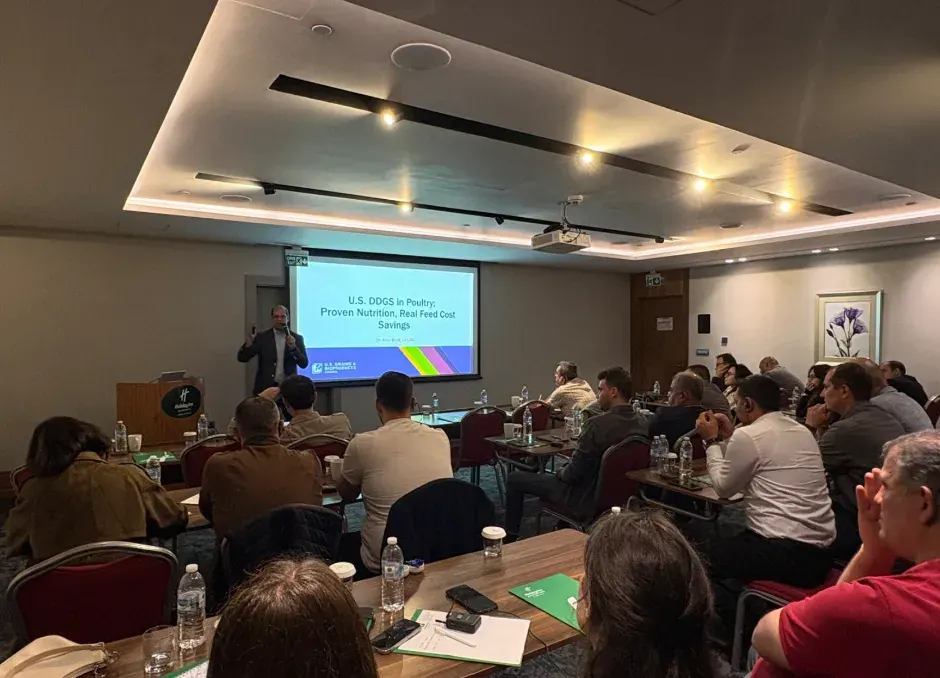
The U.S. Grains & BioProducts Council hosted three half-day seminars across Türkiye to address poultry and ruminant feed producer concerns over mycotoxins, antibiotic residues, and DDGS handling and storage, drawing 55 participants from 26 companies.
U.S. grain futures rose in overnight trade on 30 September 2026 as markets positioned ahead of USDA's quarterly Grain Stocks report, a daily soybean export sale of 105,000 MT was reported, and the U.S. dollar index weakened. Analysts expect corn stocks to come in modestly below USDA's September WASDE figure, with attention focused on the Feed & Residual category.
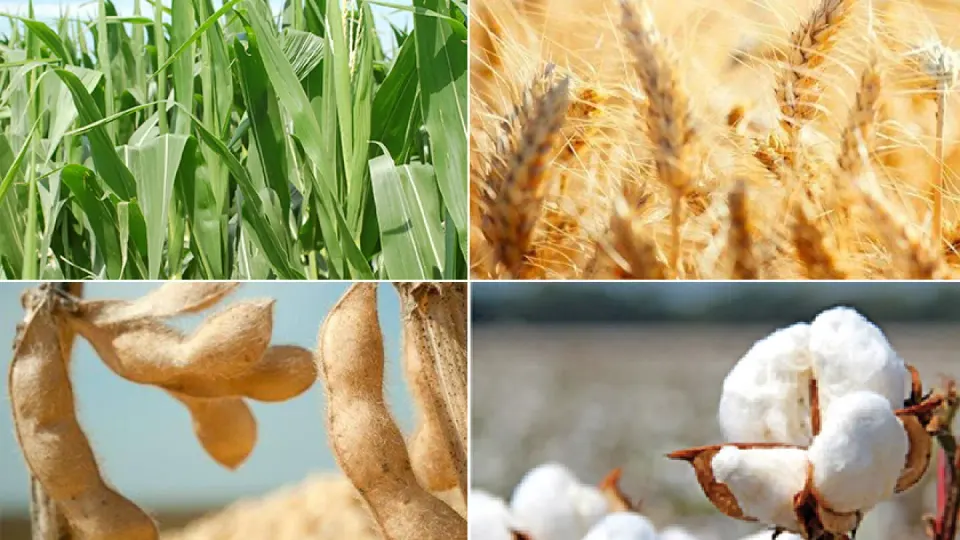
The USDA's September 30, 2026 quarterly stocks report showed corn inventories well above market expectations, a bearish signal for the feed grain, while wheat stocks came in below forecasts and soybean stocks were slightly supportive, according to an analysis by ADM Investor Services.
Nigeria's Ministry of Livestock Development is in discussions with UNIDO on technical cooperation to establish a digital livestock identification and traceability system, with potential applications in animal health monitoring, product certification, export market access and combating livestock theft.
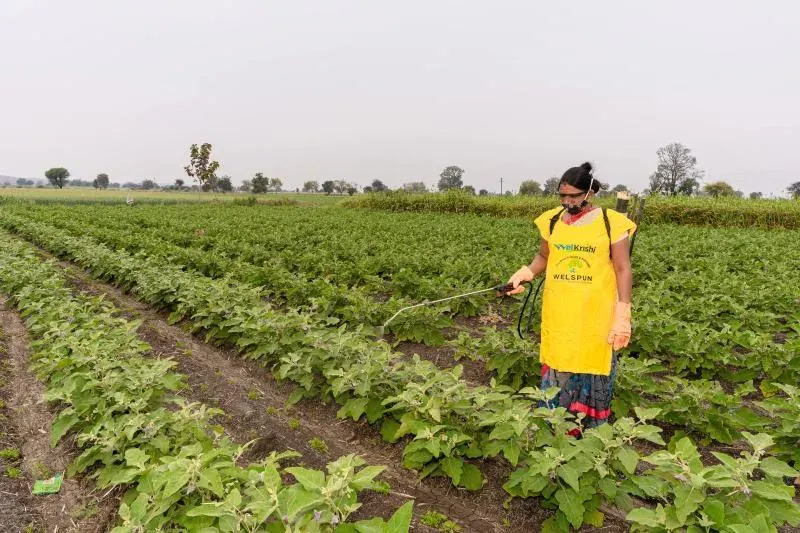
A European Commission proposal to lower maximum residue limits (MRLs) for pesticides not authorised in the EU could restrict market access for African agricultural exporters, including Kenya, South Africa, Egypt, Morocco and Uganda. A Joint Research Centre study published in August examined the potential economic impact across 235 commodities and 86 exporting countries. Kenya has raised the issue at the WTO, warning of shipment rejections and income losses for smallholder farmers. The proposal remains under consideration by the European Parliament and Council.
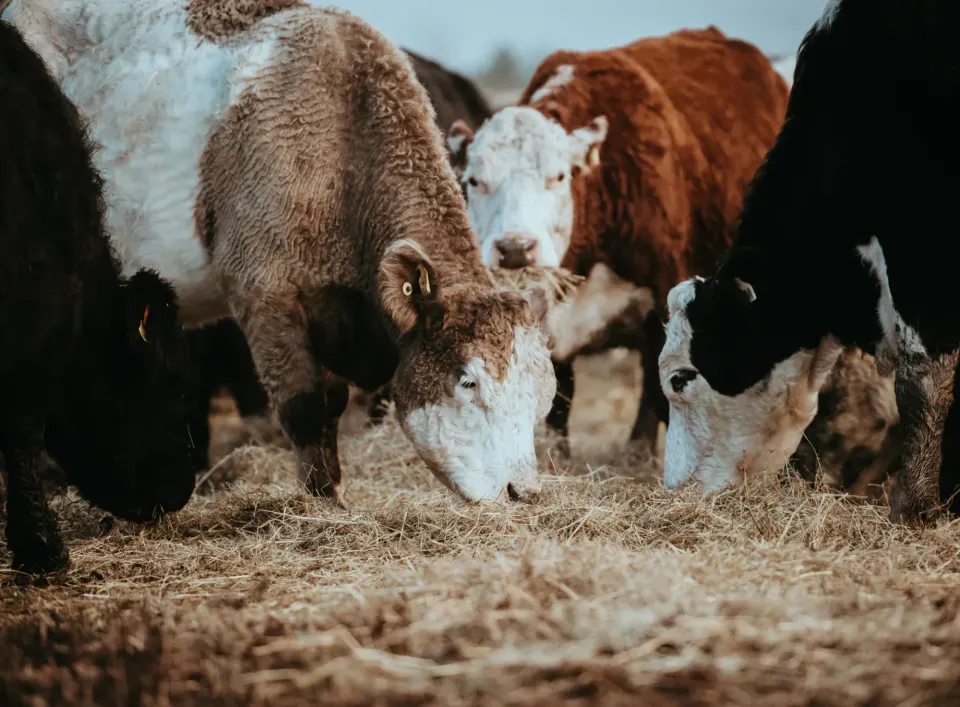
A study published 24 September 2026 in the journal Animals reports that feeding whole hemp seeds to Holstein–Friesian bulls at a 10% concentrate inclusion rate raised zinc, magnesium, iron, retinol, and α-tocopherol in muscle tissue and improved the ratio of unsaturated to saturated fatty acids, though higher inclusion at 17% produced little additional benefit and neither level increased long-chain omega-3 PUFA concentrations.
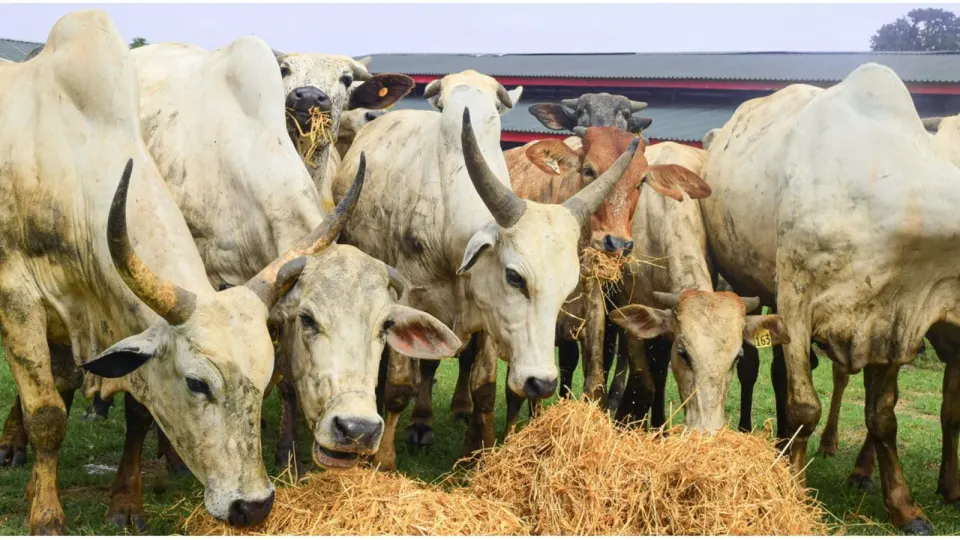
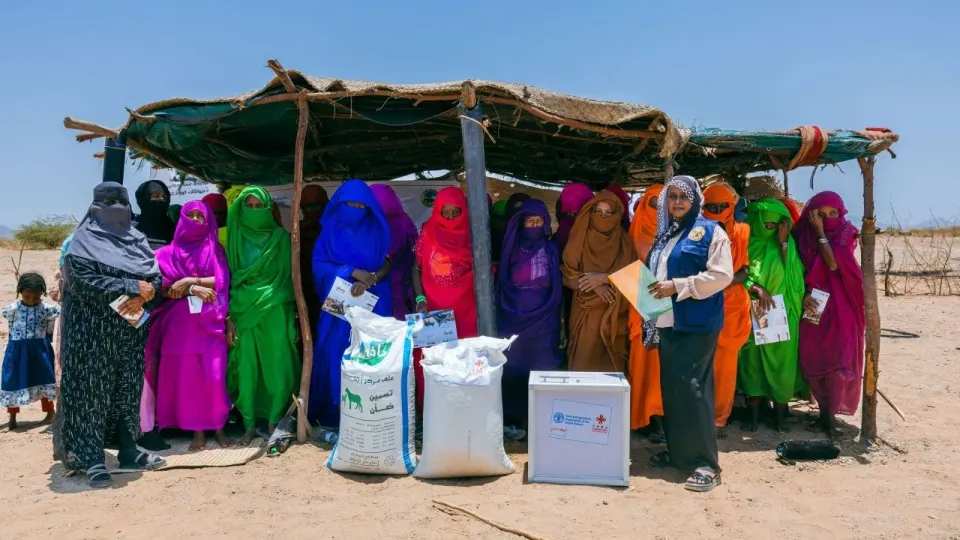
The UN Food and Agriculture Organization has distributed 100 tonnes of concentrated animal feed to 3,200 agropastoral households in Sudan's Red Sea State to protect livestock and sustain milk production amid drought-driven feed shortages, with the programme backed by US$2 million in emergency funding from the Government of China.
U.S. grain futures on September 25, 2026 finished near session highs after early selling pressure gave way to a recovery driven by a weaker dollar and trade-deal optimism. December corn edged up fractionally, November soybeans posted weekly gains on news of a U.S.-China trade subset agreement, while wheat futures ended the week lower amid a sustained price downtrend. Persistent Midwest rains are delaying harvest and tightening soybean supplies at processors.
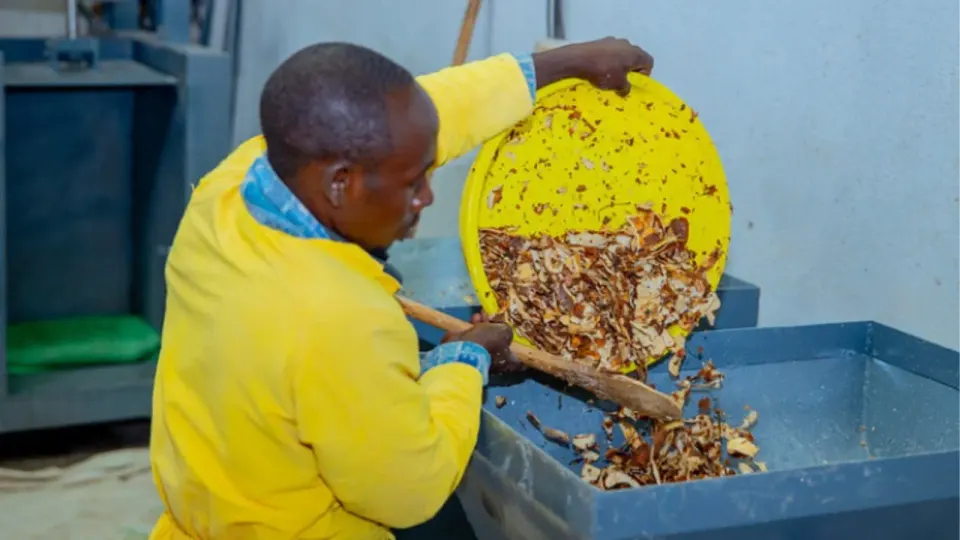
Rwanda-based Kabizu Business Group, with technical support from IITA Rwanda's RUNRES project, has developed a facility to process cassava peels into High-Quality Cassava Peels (HQCP), a locally produced animal feed ingredient aimed at reducing agricultural waste and the cost of conventional feed inputs.