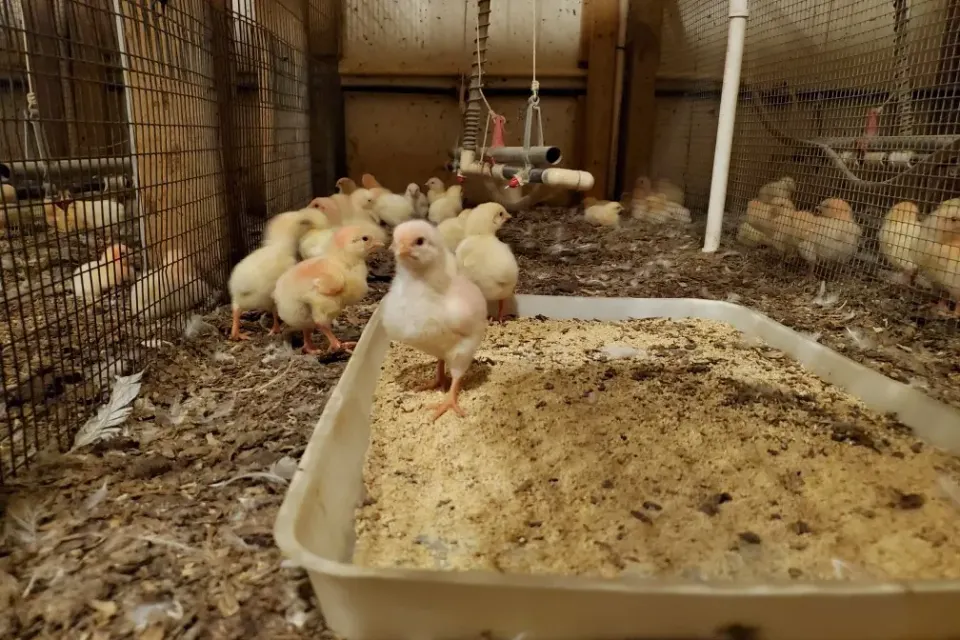
A Penn State University study published in Poultry Science found that a broiler chicken's age has a far stronger influence on its resistome than dietary additives such as antibiotics, probiotics, or essential oils, lending support to further investigation of antibiotic alternatives in poultry production.
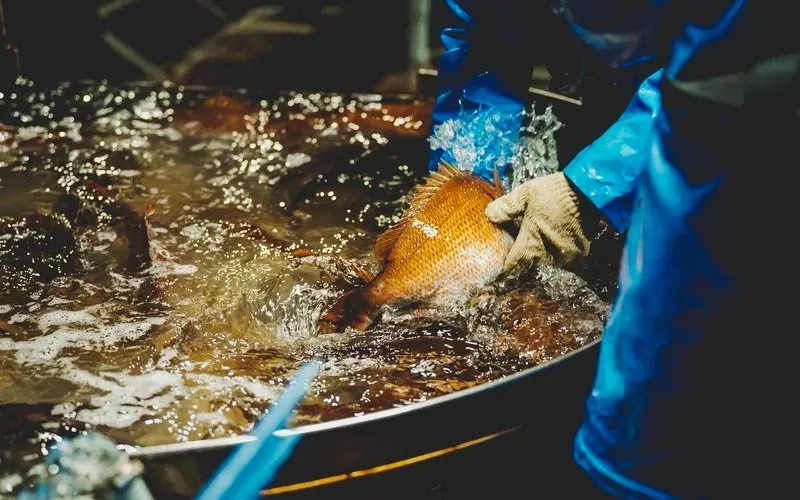
Japan's Dainichi Corporation is competing in the F3 Fish Farm Challenge 2025–2027, raising red seabream from juvenile stage to harvest on a diet free of marine-animal ingredients. The company is using soy protein concentrate and black soldier fly meal as principal alternatives, has invested in ingredient supplier Protenga, and is trialling AI-assisted feeding alongside hand feeding to optimise performance.
The European Commission has formally authorised citronella essential oil, derived from Cymbopogon nardus (L.) Rendle, as a feed additive for all animal species under Implementing Regulation (EU) 2026/2128, signed on 18 September 2026.
The European Commission has published Commission Implementing Regulation (EU) 2026/2084, adopted on 18 September 2026 and published on 21 September 2026, renewing the authorisation of three forms of vitamin E as additives in animal feed for all species across the EU. The regulation replaces Regulation (EU) 2015/1152 and requires feed manufacturers, distributors and farmers to update their technical documentation and compliance references.
The European Commission has formally authorised nutmeg essential oil (Myristica fragrans Houtt.) as a sensory additive in animal feed for all species under Implementing Regulation (EU) 2026/2076, adopted on 17 September 2026. Feed manufacturers across the EU may now incorporate the ingredient subject to the technical conditions and dosage requirements set out in the regulation.